

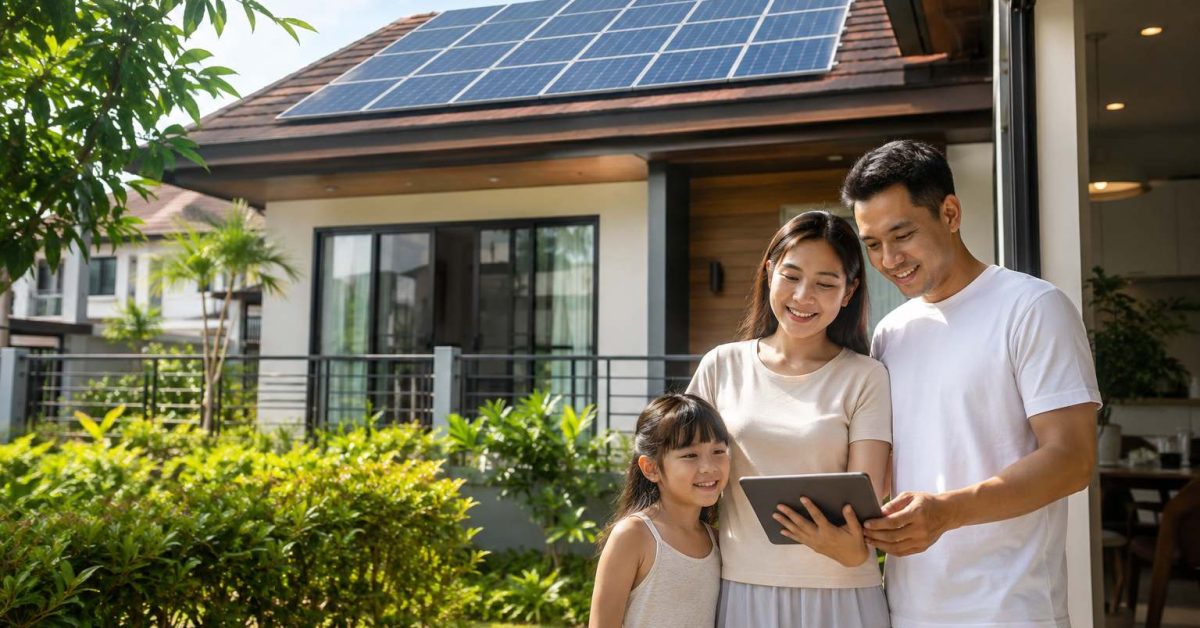
What does solar energy conserve?
- Household electricity spending
- Fossil fuels used for power generation
- Water used in some traditional power plants
- Air quality by reducing pollution from fossil fuel-based electricity
- Long-term environmental resources for future generations
Overview
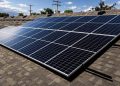
- This article explains what solar energy conserves and why it matters for eco-conscious homeowners in the Philippines. Beyond lowering electricity bills, solar power helps reduce reliance on fossil fuels, conserve water used in traditional power generation, ease daytime grid demand, and support cleaner air.
- For homeowners, these benefits make rooftop solar both a practical and environmental decision. A well-designed solar power system can help turn available sunlight into everyday savings while supporting long-term sustainability.
- By understanding what solar energy conserves, homeowners can see how switching to solar contributes not only to household cost savings, but also to a cleaner, more resource-efficient future.
Solar energy is often described as clean and renewable, but what does that actually mean for homeowners? It means your roof can become a source of power that helps reduce waste, lower energy demand from the grid, and make better use of the Philippines’ abundant sunlight.
For eco-conscious homeowners, solar is not just about saving money. It is also about making a practical choice that supports long-term sustainability. Solaric helps Filipino households make this shift through full-service solar solutions, from system supply and installation to maintenance.
Solar Energy Conserves Electricity Costs

One of the most immediate things solar energy conserves is your household budget. When your rooftop solar system produces electricity during the day, your home can use that energy instead of buying all its power from the grid. Solaric explains that switching to solar power for homes can help reduce monthly electricity bills and support long-term savings.
This is especially helpful for households with daytime energy use, such as air conditioning, refrigerators, fans, washing machines, computers, and home office equipment. Solaric also gives a practical sizing guide of at least 1 kWp of solar panels for every 100-130 kWh of monthly electricity consumption, preferably with net metering when daytime loads make it practical.
Solar Energy Conserves Fossil Fuels
Solar energy uses sunlight, which is renewable, instead of relying completely on fuel-based electricity. In the Philippines, many households still depend on grid power generated from conventional energy sources such as coal, oil, and natural gas.
This matters because every kilowatt-hour produced by your solar panels reduces the amount of electricity your home needs to draw from the grid during the day. Over time, more homes using rooftop solar can help reduce pressure on fuel-based power generation, especially during periods of high daytime demand.
For homeowners, this is a simple but meaningful contribution. You may not control the country’s entire energy mix, but you can control part of your household’s energy source by using sunlight to power daily appliances.
Solar Energy Conserves Air Quality

Solar panels generate electricity without burning fuel on your rooftop. This means they do not produce smoke, fumes, or direct air emissions while operating.
This is important for eco-conscious Filipino homeowners, especially in urban and suburban areas where air quality is affected by traffic, construction, and fuel-based energy use. By using more electricity from sunlight, your home can reduce its dependence on power sources that may contribute to air pollution.
Of course, solar panels still require materials, manufacturing, and transport, so they are not impact-free. But once installed, they produce electricity quietly and cleanly from your roof, helping your household lower grid reliance while supporting cleaner energy use in the Philippines.
Solar Energy Conserves Water Resources
Many traditional power plants use water for cooling and steam generation. Solar photovoltaic systems, on the other hand, require little to no water during operation. The National Renewable Energy Laboratory notes that photovoltaic and wind technologies require little to no water for operations.
For the Philippines, where some communities face water pressure during dry seasons, this is an important sustainability benefit. A rooftop solar system allows your home to generate electricity without depending on large amounts of operational water use.
Homeowners still need occasional panel cleaning, but this is very different from the water requirements of many thermal power generation systems.
Solar Energy Conserves Grid Demand
Solar energy can also help conserve grid demand, especially during the day. When your home uses electricity generated from your own roof, it draws less power from the utility grid.
For grid-tied systems, net metering can further support this benefit. The Department of Energy explains that the Net-Metering Program allows end-users to generate electricity from renewable sources for their own use and sell unused electricity back to the grid.
Solaric also has a helpful guide on the process here: Net Metering: How Do I Do It?.
For homeowners, this means solar can help you use your own power first and potentially receive credits for excess generation, depending on approval and system setup.
Solar Energy Conserves Long-Term Home Value
Solar can also help conserve and improve the long-term value of your home. Energy-efficient homes are increasingly attractive to buyers because they offer lower utility costs and visible sustainability features. Rooftop solar systems can help reduce dependence on the grid, lower energy costs, and increase property value.
For an eco-conscious homeowner, this means solar is not just an environmental choice. It can also be a practical property investment.
What Helps Solar Conserve More?
Solar conserves more when the system is properly designed, installed, and maintained.
Right System Size
A system that matches your household energy use can deliver better savings. This is why reviewing your electricity bill before installation is important.
Good Roof Conditions
Solaric notes that roughly 4 square meters of viable roof space can host 1 kWp of solar panels. A roof with enough space and sunlight exposure can help the system perform better.
Reliable Installation
Solaric explains that mounting systems should be durable enough to withstand 250 kph winds, heavy rains, and extreme heat. This matters in the Philippines, where weather conditions can affect long-term system safety.
Regular Maintenance
Solaric recommends keeping panels clean and scheduling occasional professional inspections to maintain performance.
Key Takeaway
Solar energy conserves more than electricity. It helps conserve household budgets, fossil fuels, air quality, water resources, grid demand, and long-term environmental value. For eco-conscious Filipino homeowners, rooftop solar is a practical way to reduce energy costs while supporting a cleaner, more sustainable future.
Solaric helps homeowners turn sunlight into everyday savings through reliable rooftop solar solutions designed for Philippine homes and weather conditions.
Ready to save money and save the planet? Request your free solar quote today and turn on the sun with Solaric now.