How to Maximize Rooftop Solar Power Investments with the Right Partner
- Start With a Complete Rooftop and Energy Assessment.
- Choose a Partner Who Designs Around Daytime Electricity Use.
- Use Durable Panels, Grid-Compliant Inverters, and Roof-Appropriate Mounting.
- Plan Net Metering and Utility Requirements Early.
- Work With a Provider That Offers Monitoring, Warranty, and After-Sales Support.
Overview
- Rooftop solar investments perform best when the system is designed around real electricity use, roof conditions, and long-term savings goals.
- The right solar partner can help avoid poor sizing, weak installation work, roof-related issues, and delays in net metering documentation.
- For Filipino homeowners and property investors, partner selection affects energy output, cost efficiency, safety, warranty support, and long-term system value.
- Solaric provides rooftop solar systems, solar panel installation, net metering guidance, and after-sales support for homes, businesses, and industrial properties in the Philippines.
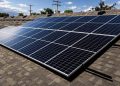
How to Maximize Rooftop Solar Power Investments with the Right Partner is an important question for homeowners and property investors who want more than a basic panel installation. A rooftop solar system should reduce electricity costs, use roof space wisely, and continue producing dependable output for many years.
The challenge is that solar performance does not depend on panels alone. It depends on system sizing, inverter selection, roof suitability, mounting quality, utility coordination, and after-sales support. When one of these areas is overlooked, the expected savings may be lower than projected.
This is why choosing the right solar partner matters. A qualified provider should guide you before purchase, install the system safely, help prepare net metering requirements, and remain available after turnover. For Philippine homes and business properties, this support can protect both energy savings and long-term investment value.
Start With a Complete Rooftop and Energy Assessment

A strong rooftop solar investment starts with a careful assessment. The provider should review your roof, electrical setup, monthly consumption, and daytime energy use before recommending system capacity. A proposal based only on available roof space can lead to an oversized or poorly matched system.
For most homes, electricity use changes throughout the day. Refrigerators, fans, air-conditioning units, washing machines, computers, pumps, and home office equipment may consume power while solar production is available. A partner should study these loads and compare them with your monthly bill to estimate practical savings.
A useful planning guide is to install at least 1 kWp of solar panels for every 100 to 130 kWh of monthly electricity consumption, preferably with net metering when daytime loads make it practical. This makes the planning stage important because the system should match your home or property’s actual use, not just a generic package size. For reference, see Solaric’s solar installation services page.
Choose a Partner Who Designs Around Daytime Electricity Use
The right partner should explain how solar production lines up with your consumption pattern. A rooftop system produces the most energy during daylight hours, so its value is strongest when your household or property uses electricity while the sun is available.
This is especially important for property investors and owners with larger daytime loads. A household with people working from home may benefit differently from a home that uses most appliances at night. A small commercial building, rental property, or mixed-use space may also need a different design approach.
A reliable partner should ask practical questions before recommending a system.
- How much electricity do you use each month?
- Which appliances run during the day?
- Is your roof shaded?
- Are you planning to add an electric vehicle, more cooling equipment, or a larger home office setup?
These questions help ensure that the system is built for future value, not only present consumption.
Use Durable Panels, Grid-Compliant Inverters, and Roof-Appropriate Mounting
Solar equipment quality affects long-term performance. Panels, inverters, mounting systems, wiring, and monitoring tools must work together so the system can produce steady energy under Philippine weather conditions. Your partner should be able to explain the role of each component clearly.
Solar Panels
Panels should be selected based on output, durability, warranty, and suitability for heat, rain, humidity, and long-term outdoor exposure. A high-output panel may look attractive, but durability and warranty support matter just as much over the system’s operating life.
Inverters
Inverters convert the direct current electricity from solar panels into alternating current electricity used by your home or building. For grid-tied systems, the inverter must be suitable for local grid requirements and properly matched to system capacity.
Mounting Systems
Mounting hardware secures the panels to the roof. The right mounting approach depends on whether the roof is GI sheet, tile, concrete, or another material. Poor mounting can cause leaks, roof damage, panel movement, or performance issues during strong weather.
Monitoring Tools
Monitoring allows owners to check whether the system is producing as expected. This helps identify issues such as shading, dirt buildup, inverter alerts, or unexpected drops in output before they affect long-term savings.
Plan Net Metering and Utility Requirements Early
Net metering should not be treated as an afterthought. The Department of Energy describes net metering as a program that allows qualified end-users to generate renewable energy for their own use and sell unused electricity back to the grid.
For homeowners, this can help improve the value of a grid-tied solar system when daytime generation is higher than on-site consumption. Solaric can provide requirements such as the net metering application form, plant parameters, technical documentation, and a soft copy of the single-line diagram as part of the application process.
A good solar partner should discuss utility coordination early. This includes inverter specifications, system capacity, protection devices, single-line diagrams, meter requirements, and approval timelines. Preparing these items properly can help reduce delays and make the system more useful once installed.
Work With a Provider That Offers Monitoring, Warranty, and After-Sales Support

Long-term value depends on support after installation. A rooftop solar system may require minimal maintenance, but owners still need a partner who can answer questions, check performance concerns, assist with warranty claims, and guide monitoring use.
Solaric’s service approach includes after-sales support to help customers address system questions, performance concerns, and warranty needs after installation. This matters because system owners may need help with inverter alerts, output questions, cleaning schedules, warranty documentation, and net metering concerns.
For property investors, after-sales support also protects asset value. If the system is connected to a rental property, business property, or long-term home investment, reliable service helps keep the system productive and easier to manage over time.
How to Maximize Rooftop Solar Power Investments with the Right Partner comes down to choosing a provider who can guide the full project life cycle. The right partner should help before installation, during installation, and after the system is already producing power.
What Should You Ask Before Choosing a Solar Partner?
Before approving a solar proposal, ask questions that reveal whether the provider understands your investment goals. A strong partner should be transparent about assumptions, savings estimates, equipment choices, roof requirements, and service coverage.
- How did you calculate the recommended system size?
- What roof areas are best for panel placement?
- Is the inverter suitable for Philippine grid requirements?
- What documents are needed for net metering?
- What warranties apply to the panels, inverter, and workmanship?
- How will I monitor production after installation?
- Who do I contact for after-sales support or performance concerns?
Clear answers can help you compare proposals beyond price. A cheaper package may cost more later if it results in weaker output, roof issues, incomplete documentation, or poor support.
Key Takeaway
How to Maximize Rooftop Solar Power Investments with the Right Partner starts with proper assessment, accurate system sizing, quality equipment, net metering preparation, and dependable after-sales service. A rooftop solar system should be planned around real energy use, roof conditions, and long-term performance expectations.
For Filipino homeowners and property investors, the right partner can help turn rooftop space into a practical energy asset. With the proper design and support, solar can reduce grid dependence, improve cost control, and support cleaner energy use for years.
Ready to plan a rooftop solar investment that performs for the long term? Request your free solar quote today and turn on the sun with Solaric now.