


Australia leads the world in rooftop clean energy adoption, with millions of homes harnessing abundant sunshine. However, this boom has triggered an unexpected rise in rooftop solar panel theft Australia-wide. Organised criminal syndicates and opportunistic thieves are targeting residential roofs, commercial sites, and remote properties. Property owners are waking up to find thousands of dollars’ worth of high-tech energy equipment stripped overnight.
Losing your setup means facing massive out-of-pocket replacement costs, expensive structural roof repairs, and immediate spikes in electricity bills. If you want to defend your clean energy transition investment, you must act decisively. Contact Energy Matters today to receive up to three free, obligation-free quotes from pre-vetted local solar installers who prioritise security-first system designs.
Why solar panel theft in Australia is a growing problem
Solar panel theft in Australia is not yet as severe as in the UK or Europe, but the risk is rising fast. More than 4.4 million Australian homes now have solar systems, and rooftop capacity has passed 27 GW nationwide. That scale creates far more targets for thieves than a decade ago.
Panels, copper cabling, and inverters all carry resale value on the secondhand market. A single organised case in Sydney saw a worker sell almost 8,000 panels worth $1.2 million over more than a year before the theft was discovered.
Most incidents happen during installation, before panels are bolted down and connected. A pallet of panels left overnight on a driveway or roof is an easy target. Once a system is fully installed and wired in, stolen solar panels become much harder to remove quickly, which is why the installation window matters so much.
Solar panel theft in rural and regional areas
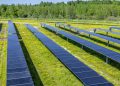
Rural and regional properties face a slightly different version of solar panel theft in Australia. Larger ground-mounted arrays, farm sheds, and remote acreages often sit far from neighbours and street lighting.
This isolation gives thieves more time to work unnoticed. Good solar security in these settings usually means combining locked hardware with visible deterrents like signage, motion lighting, and, where practical, a monitored alarm connected to the property.
Who steals solar panels and why
Opportunistic thieves usually take unsecured panels from building sites, new installations, or unoccupied properties. Organised groups go further, scouting locations, stripping copper wiring, and reselling equipment through informal buyers who rarely ask questions. Panels are appealing because they are:
- Modular and easy to unbolt with basic tools
- Valuable on resale markets, especially newer Tier 1 brands
- Rarely serial-tracked, so stolen units are hard to trace
- Often left unattended on pallets during multi-day installs
How to prevent stolen solar panels: Solar security essentials
Good solar security starts before your system is even switched on. A few practical steps make your home a far less attractive target.
Solar panel lock and anti-theft hardware
A solar panel lock or tamper-resistant bolt is one of the simplest and most effective tools for protecting against solar theft. These fasteners need a specific tool to remove, which slows thieves down and often makes them move on. Ask your installer to fit:
- Anti-theft security bolts on every panel frame
- Locking clamps on racking and mounting rails
- Secured, lockable inverter and battery enclosures
Cameras, lighting and GPS tracking
Motion-sensor lighting around your roof and meter box discourages nighttime attempts. Visible security cameras add another layer of solar security, since most thieves avoid properties with obvious surveillance.
For larger or rural installs, small GPS trackers fitted inside junction boxes can help police recover stolen solar panels after the fact. This won’t prevent theft, but it improves the odds of recovering the equipment.
Choosing a secure installer
Not every installer treats solar theft protection as a priority, so it pays to ask questions before signing up. A reputable installer will schedule deliveries close to the install day, avoid leaving pallets exposed overnight, and fit tamper-resistant hardware as standard.
It also helps to ask whether your installer records serial numbers and provides documentation you can hand straight to your insurer, and to work only with brands featured in our Tier 1 solar panels guide. This small step can make a real difference if you ever need to prove ownership of stolen solar panels.
Solar theft protection checklist
Use this quick checklist before and after your installation:
- Ask your installer never to leave panels unattended overnight
- Fit anti-theft bolts and locking racking hardware
- Install motion-sensor lights near the roof and switchboard
- Photograph serial numbers and keep installation paperwork
- Register your system details with your installer and insurer
- Consider a visible camera or alarm sensor near the meter box
Insurance for solar panel theft: What’s covered
Most standard home and contents policies in Australia treat solar panels as part of the building, so they are usually included alongside cover for fire, storm, and theft. Even so, cover is not automatic. You must tell your insurer about your system and adjust your sum insured to reflect its value.
Insurance for solar panel theft typically covers the panels, inverter, and cabling, but rarely covers lost solar feed-in tariff income unless you add a specific endorsement. Always check the product disclosure statement for exclusions.
Insurers generally want proof that reasonable care was taken. That means keeping receipts, serial numbers, and evidence of anti-theft hardware on file, since a documented solar theft protection setup can support a smoother claim and sometimes a better premium.
Choosing certified Tier 1 solar panels from a reputable installer also helps here, since quality components are easier to value, easier to insure, and less likely to raise questions during a claim. If you are also weighing up battery management system protection, the same documentation habits apply.
What home insurance usually covers
| Coverage Area | Typically Included | Notes |
| Theft of panels | Yes | Report to police first; most insurers require a report number |
| Inverter and cabling | Yes | Confirm these are named in your policy schedule |
| Accidental damage | Sometimes | Often an optional extra, not standard |
| Lost feed-in tariff income | Rarely | Ask about business interruption add-ons |
| Underinsurance gap | N/A | Update your sum insured after every system upgrade |
Three steps to confirm you are properly covered:
- Call your insurer and declare your solar system, including its full replacement value
- Increase your building sum insured to match the system cost
- Keep receipts, warranty documents, and photos in one place for any future claim
What to do if your solar panels are stolen
Report the theft to the police immediately and obtain a report number, as most insurers require one to process a claim. Photograph the site, note what is missing, and contact your installer to confirm serial numbers if you have them.
Then lodge your claim with your insurer as soon as possible. Provide your police report, proof of purchase, and any warranty documents to speed up the assessment.
If your solar panel lock or mounting hardware was tampered with, take photos before anything is repaired or replaced. This evidence can support both your insurance claim and the police investigation, and it may help identify weak points to fix before reinstalling your system.
FAQs about solar panel theft in Australia
Is solar panel theft common in Australia?
It is less common than in the UK, but incidents are increasing as more systems are installed nationwide, particularly during the installation window before panels are secured.
Does home insurance cover stolen solar panels?
Most policies do, provided you have declared your system and your sum insured reflects its value. Always check your policy wording for specific exclusions.
What is the best solar panel lock?
Tamper-resistant security bolts that need a specialised tool to remove are the most effective and affordable solar panel lock option for most homes.
Should I increase my sum insured after installing solar?
Yes. Update your building sum insured to reflect your system’s full replacement cost, or you risk being underinsured if your panels are stolen or damaged.
Can GPS trackers help recover stolen solar panels?
Small trackers fitted inside junction boxes won’t stop a theft, but they give police a far better chance of recovering stolen solar panels afterwards.
How Energy Matters helps protect your solar investment
Choosing quality equipment and experienced installers is one of the best ways to ensure long-term solar security.
Don’t wait for opportunistic thieves to target your roof. Energy Matters partners with trusted installers across Australia who understand current Australian Standards and best installation practices.
Connect with Energy Matters today to receive up to three free, obligation-free quotes from pre-vetted local solar experts who install premium, highly secure solar systems tailored for long-term safety.
Whether you’re installing a new solar system, adding battery storage, or upgrading existing equipment, professional advice can help reduce risks and improve system performance.
You can also explore Energy Matters’ internal resources on:
These resources can help you maximise the value of your investment while keeping your system secure.
Sources and References:
- pv magazine Australia: Worker charged over alleged theft of 8,000 solar panels, https://www.pv-magazine-australia.com/2024/12/02/worker-charged-following-alleged-theft-of-8000-solar-panels/
- CHOICE: Are solar panels covered by home insurance?, https://www.choice.com.au/home-improvement/energy-saving/solar/articles/are-solar-panels-covered-by-home-insurance
- Clean Energy Regulator: Small-scale installation postcode data, https://cer.gov.au/markets/reports-and-data/small-scale-installation-postcode-data