

Overview
- Knowing how to identify when a solar panel system needs upgrading is key to protecting long-term investment performance. Signs such as declining output and outdated technology can signal reduced efficiency and missed value.
- Regularly evaluating system health helps ensure optimal returns over time. Solaric provides high-efficiency solar panels and upgrade solutions designed to maximize energy output and long-term investment value.
Solar panels are built to last for decades. However, durability does not always mean they can maintain peak performance forever. As systems age, natural wear and tear can reduce their value. Ignoring these changes may lead not only to higher utility costs but also to missed opportunities to maximize returns from solar energy.
In such cases, upgrading can be a smarter financial choice in the long run. Modern systems offer higher efficiency and better compatibility with today’s energy-saving technologies.
As a trusted solar solutions provider, Solaric helps investors transition to technologies that deliver greater long-term value. Continue reading to learn how to know when you’re ready to upgrade your solar investment.
Evaluate Your Energy Needs vs. Output

Assessing whether your solar panel system still aligns with your energy objectives is one of the most reliable ways to determine if an upgrade is warranted. Changes in consumption patterns and sustainability targets can affect whether your current system delivers the performance you expect.
Increased Utility Bills
When electricity costs begin to rise despite having solar installed, it may indicate that your system is no longer generating enough energy to offset expenses as before. A growing gap between energy production and consumption can gradually reduce the financial benefits you made the investment for. Reviewing utility bills alongside production data can help identify if these performance losses are affecting returns.
Even the most modest declines in solar output can have long-term implications. Aging panels naturally lose efficiency over time, which can lead to greater reliance on the grid and lower overall savings. By upgrading to newer, more efficient technology, you can recover all lost production and increase the value generated by your systems.
Lifestyle Changes
A sun-powered system that was appropriately sized years ago may no longer reflect your current energy profile. The adoption of electric vehicles, smart home technologies, or other energy-intensive technologies can significantly increase electricity demand. As requirements evolve, older systems may struggle to keep up.
Many solar owners focus on the condition of their equipment without evaluating if their system’s capacity still supports their broader energy strategy. Expanding or upgrading a system allows you to accommodate higher consumption while maintaining strong offset rates.
Increased Autonomy
Upgrading a solar investment to achieve greater autonomy is advisable when excess daytime power is wasted or when existing battery storage cannot meet nighttime demand. These limitations prevent investors from capturing the full value of the energy their systems produce. As a result, more electricity may need to be imported from the grid despite having sufficient solar generation potential.
A system upgrade can improve how energy is stored, managed, and utilized throughout the day. Adding larger or more advanced battery storage solutions allows excess solar production to be retained for later use rather than being lost or underutilized.
Monitor Your Equipment Health

The condition of your solar equipment directly affects how much value your system can continue generating over time. Monitoring system health allows you to identify whether performance issues stem from aging components, hidden faults, or technology that has simply become outdated.
Component Damage
Solar panels are only one part of a larger energy system, and supporting components can significantly impact overall performance. Things like inverters and mounting hardware all contribute to efficient energy generation and distribution. When these elements begin to deteriorate, system output often declines before obvious failures occur.
Recurring maintenance issues can indicate that key system components are nearing the end of their useful lifespan. Frequent repairs not only increase ongoing costs but can also result in inconsistent energy production. When these problems become more common, upgrading aging equipment may provide better long-term performance than continuing to repair older components.
Physical Damage
Physical damage can be a clear indication that a solar-powered system is no longer operating at its full potential. Cracks, delamination, and other visible signs of deterioration can interfere with energy generation and increase the risk of future performance issues. Years of exposure to the elements and other environmental factors can gradually affect even the most well-maintained installations.
Not all signs of wear require immediate replacement, but significant damage should be assessed carefully. As deterioration progresses, affected components may produce less energy and place additional strain on the rest of the system. It’s best to upgrade damaged equipment when performance continues to decline.
Consider Technological Advancements
Keeping up with advancements in solar technology can help determine whether your current system is still operating at its full potential. Even if your existing equipment remains functional, newer solutions may offer higher efficiency and stronger returns over time.
Efficiency Gains
A widening efficiency gap between older and newer solar panels can make an upgrade worth considering. While existing panels may still function properly, newer technologies can generate significantly more electricity from the same amount of sunlight and installation space. In this way, older systems can gradually fall behind current performance standards.
This difference becomes more noticeable when comparing production potential. Higher-efficiency panels can increase energy generation without requiring additional roof space, allowing solar owners to extract more value from their existing setup. For those focused on maximizing long-term returns, this added output can strengthen the overall performance of a solar investment.
Smart Monitoring and Storage
Older solar panel systems often provide limited control over how excess power is used throughout the day. This creates blind spots in system performance and reduces the ability to optimize energy flow, especially during periods of high generation and low consumption.
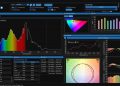
Modern monitoring systems deliver continuous data on production and usage, allowing performance issues and inefficiencies to be identified as they occur. Battery storage adds another layer of control by retaining surplus energy for later use. With these advancements, solar panels shift from passive energy generators into actively managed energy assets with higher utilization potential.
Where to Find the Ideal Solar Upgrades in the Philippines
Solaric provides investors with access to upgraded solar solutions designed to improve system efficiency and long-term system performance. We offer high-efficiency solar panels ranging from 1.5 kW to 750 Wp that deliver higher output and improved performance across properties with varying energy needs.
Beyond equipment replacement, Solaric also offers system assessment and advisory services to help identify the most suitable upgrade solution based on performance gaps and investment goals. Our systems can also be integrated into net metering programs, allowing excess energy to deliver additional value through grid credits and improved overall returns.
Key Takeaway
While energy-efficient systems are designed to support long-term sustainability, there comes a time when they’re due for replacement. Understanding how to know when you’re ready to upgrade your solar investment helps ensure that your system continues delivering the returns it was designed to achieve.
For investors looking to maximize the long-term value of solar energy, choosing the right upgrade partner is just as important as selecting the right technology. Solaric provides access to high-efficiency solar panels and expert guidance tailored to specific energy goals. Contact us today to explore the best upgrade options available.