


Sodium-ion battery company Peak Energy announced a partnership with General Motors to develop and deploy sodium-ion battery cells for grid storage applications.
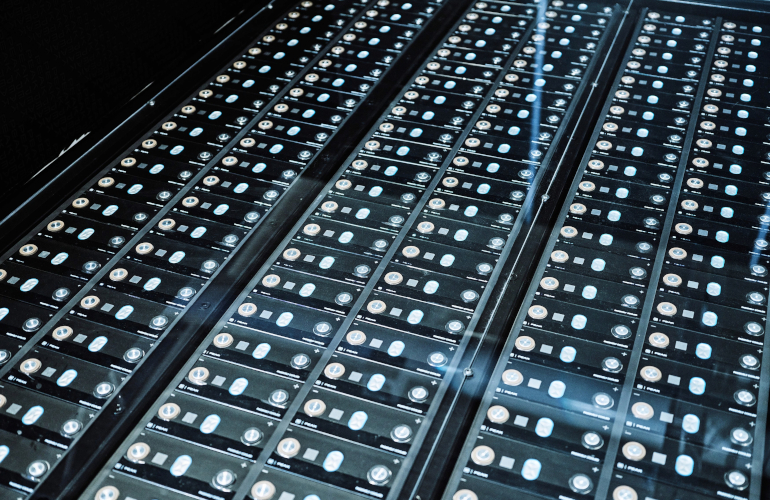
 GM will develop the sodium-ion cell in its Michigan battery labs and retain exclusive manufacturing rights, while Peak will incorporate the cell into its proprietary energy storage systems. This will strengthen American leadership and innovation in the rapidly growing energy storage market while solidifying Peak’s supply chain as its domestic manufacturing scales.
Peak Energy announced in 2024 that it would build a giga-scale sodium-ion battery factory in the United States, with production expected to begin in 2027. According to its website, Peak today only operates an engineering office in California and a cell R&D facility in Colorado.
“Lowering the cost of energy is one of the most important issues facing America today. We are proud to develop an energy storage system that is safer, cheaper, and faster to deploy that any other technology on the market, enabling the U.S. to meet rapidly growing energy demand without saddling consumers with higher prices,” said Landon Mossburg, CEO and Co-Founder of Peak Energy.
 Today’s incumbent energy storage technology is built around lithium-iron phosphate (LFP) chemistry and requires active cooling to maintain safe operating temperatures. Peak Energy’s proprietary passively cooled battery storage system eliminates energy-intensive cooling systems that increase costs. Peak’s sodium-ion system is 20% cheaper than lithium systems, the company claims.
“At GM, we know that the application should determine the battery, and for grid-scale stationary storage, sodium-ion is the right solution,” said Kurt Kelty, VP of Battery and Sustainability at General Motors. “Peak is already demonstrating the value of sodium-ion through their innovative energy storage platform, and together we’re working to push those benefits even further with our next-generation cell — helping deliver more reliable, lower-cost energy storage at scale for the U.S. grid.”