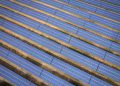



The United States added 7.8 GW of new solar capacity in the first quarter of 2026, surpassing 6 million cumulative installations as solar remained the leading source of new power added to the grid. Despite changing tax policy and regulatory actions targeting clean energy, solar and energy storage represented 91% of new capacity installed in Q1 as utilities, homeowners and businesses seek energy security amid global gas and gas turbine supply disruptions.
 The “U.S. Solar Market Insight 2026 Q2 Report” released today by SEIA and Wood Mackenzie finds that contracts for utility-scale solar rose 15% year over year, fueled by tech companies securing power to meet growing AI-driven electricity demand.
“In a world of fluctuating fuel prices, energy buyers have made it clear that they want the security, low cost and speed of solar and storage, which commanded a massive 91% of all new capacity built in Q1,” said Darren Van’t Hof, interim president and CEO of SEIA. “Yet, as power demand skyrockets, political and regulatory attacks are slowing down the exact resources we rely on. Impeding the only sector that is actively building new power is a reckless gamble that will only drive electricity bills higher. The stakes are simply too high for Washington’s permitting gridlock to continue.”
If the federal permitting slowdown continues, Americans’ electric bills will continue to rise and China will surge further ahead in the race for AI leadership, SEIA claims. A separate SEIA analysis shows that 457 solar and storage projects have permits pending and are vulnerable to politically motivated delays or cancellations.
“We are forecasting that U.S. solar additions will be flat over the next five years despite the need for more power supply in the U.S.,” said Michelle Davis, head of solar at Wood Mackenzie. “We’ve seen a notable increase in solar procurements in utility resource planning, but current permitting bottlenecks continue to serve as near-term headwinds.”

Texas continued its dominance as the fastest-growing solar market, with Ohio surging into the Top 3 states for deployment this quarter. Michigan, Oregon and Mississippi also notched notable quarters.
The residential solar market is expected to decline by 21% in 2026, but forecasts show the sector will see consistent growth between 2027 and 2031. In Q1, a record 45% of residential solar installations were paired with battery energy storage.
News item from SEIA