Most solar panels do not work during a blackout unless paired with a battery or backup-ready inverter. Standard grid-connected systems are designed to shut off automatically when grid power is lost. This safety mechanism, known as anti-islanding protection, prevents electricity from flowing back into the grid and endangering utility workers.
Why grid-connected solar systems shut down in a blackout
Grid-tied solar systems must disconnect during an outage to meet Australian electrical safety standards. This function is built into the solar inverter to prevent power from being exported to the grid while workers repair power lines. It’s a mandatory feature known as anti-islanding.
Without this shutdown, solar systems could energise power lines during an outage, creating a risk of electrocution for lineworkers and causing damage to equipment.
Can you get backup power from your solar system?
You can get backup power during a blackout if you have a hybrid or off-grid solar system. Standard grid-tied systems without batteries cannot supply power during outages.
| System Type | Blackout Protection | Battery Required | Example Setup |
|---|---|---|---|
| Grid-tied (no battery) | No | No | Standard rooftop system with inverter |
| Hybrid system | Yes | Yes | Inverter + battery + EPS |
| Off-grid system | Yes | Yes | Standalone solar + battery + backup generator |
Grid-tied without battery
These systems shut down completely in a blackout. They rely on grid voltage to operate and cannot power appliances independently.
Hybrid solar system with battery
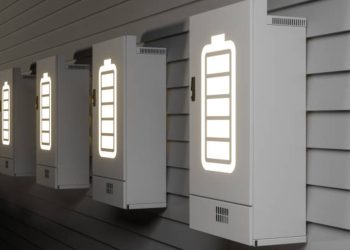
Hybrid systems continue powering essential appliances during outages. These setups include a battery and an inverter capable of emergency power supply (EPS). When the grid fails, the inverter disconnects from the grid and draws energy from the battery to power selected circuits.
Off-grid solar systems
Off-grid systems operate independently from the grid and are unaffected by blackouts. They rely entirely on solar generation and battery storage, often supplemented by a generator. These systems are suitable for remote areas with no grid access.
What is required to keep solar power during blackouts?
To maintain power during a blackout, your solar system must include the following components:
- Hybrid inverter: Supports off-grid operation and EPS switching
- Solar battery: Stores energy for use when grid power is lost
- Emergency Power Supply (EPS): Provides power to critical loads
- Automatic transfer switch: Seamlessly shifts power from grid to battery
Each component must be configured correctly to comply with Australian Standards and function as an integrated backup system.
How do solar batteries provide backup during a blackout?
Solar batteries keep power flowing during an outage by disconnecting from the grid and switching to battery supply. Here’s how the process typically works:
- Grid power is lost
- Inverter detects outage and activates EPS mode
- Automatic transfer switch shifts loads to battery
- Selected appliances (e.g. fridge, lights) receive backup power
- Solar panels continue to charge the battery if sunlight is available
Which solar batteries and inverters support blackout protection?
Not all systems offer blackout functionality—only specific brands and configurations are blackout-capable. Popular options include:
- Tesla Powerwall: Works with most hybrid inverters, offers whole-home backup
- SolarEdge Backup Interface + StorEdge Inverter: Provides automated blackout power
- SMA Sunny Boy with Secure Power Supply (SPS): Allows manual backup up to 2kW
Choose products approved by the Clean Energy Council (CEC) for safety and rebate eligibility in Australia.
Does Solar Galaxy install blackout-ready solar systems?
Yes, Solar Galaxy installs blackout-ready hybrid and off-grid solar systems across Australia. Our team configures battery backup systems with EPS functionality to ensure reliable power during outages.
We install premium products like Tesla Powerwall, SolarEdge, and SMA for seamless integration and long-term performance.
Frequently asked questions
Will my solar system charge the battery during a blackout?
Yes, if the system has an EPS inverter and sufficient sunlight. The solar panels will continue charging the battery while disconnected from the grid.
What size battery is needed for blackout protection?
Most homes need 10–15kWh to cover essentials during a blackout. Size requirements depend on your energy usage and desired backup duration.
Can I retrofit blackout protection to an existing system?
Yes, if your inverter is compatible or upgraded to a hybrid model. Battery add-ons and EPS kits can be integrated in many cases.