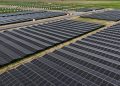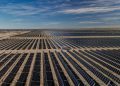


Australia’s rooftop solar revolution has been extraordinary. While much of the focus has been on residential installations, thousands of schools, businesses, warehouses, shopping centres, councils, and community facilities have also invested heavily in commercial solar. Many of these systems were installed between 2010 and 2020. This means a large portion of Australia’s commercial solar fleet is now entering a new phase of its lifecycle. Inverters are ageing, warranties are beginning to expire, and maintenance requirements are increasing.
The challenge for many organisations is simple. They often have little visibility into whether their solar systems are performing as expected.
A commercial solar health check can help identify hidden issues, improve system performance, and ensure assets continue delivering the financial and environmental benefits they were designed to provide.
According to industry data, thousands of Australian school and commercial solar systems are now between five and fifteen years old, placing them firmly within their first major maintenance window.
Quick summary
Why do commercial properties need a solar health check?
- Many commercial solar systems are reaching an age where faults and underperformance become more common.
- Hidden issues can quietly reduce energy savings for months or years.
- Regular inspections improve safety, compliance, and long-term return on investment.
Australia’s commercial solar fleet is getting older
Over the past fifteen years, government initiatives and falling equipment costs encouraged widespread adoption of commercial solar.
Schools alone represent a significant portion of this uptake. Thousands of campuses installed rooftop systems through federal and state initiatives, while many private organisations also invested in solar to reduce operating costs. However, solar systems are not entirely “set and forget”.
While quality solar panels can continue operating for decades, other components have shorter lifespans and require periodic maintenance.
Commercial properties now face challenges including:
- Ageing inverters
- Equipment degradation
- Communication failures
- Outdated monitoring systems
- Missing documentation
- Evolving compliance requirements
Many property owners still assume that if the system appears operational, everything is working correctly.
Unfortunately, this is often not the case.
Expert tip
If your commercial solar system is more than eight years old and has never undergone a professional inspection, now is the ideal time to arrange a health check.
The hidden cost of solar underperformance
One of the greatest risks associated with ageing solar systems is that problems often remain invisible.
Unlike traditional building infrastructure, solar systems can continue operating while generating significantly less electricity than expected.
Inverter failures
Commercial inverters typically have an expected lifespan of around 10 to 15 years.
As they age, they may experience:
- Reduced efficiency
- Communication issues
- Intermittent faults
- Complete failure
Without active monitoring, these problems can go unnoticed for extended periods.
Panel degradation
Solar panels naturally lose efficiency over time.
Factors that may accelerate degradation include:
- Extreme temperatures
- Salt exposure
- Heavy soiling
- Bird activity
- Storm damage
- Poor maintenance practices
A system may still appear operational while producing considerably less energy.
Monitoring failures
Many commercial systems rely on portals that are rarely checked.
In some cases, monitoring equipment itself may stop communicating, leaving asset owners completely unaware of developing issues.
Example
A 100kW commercial solar system expected to save approximately $15,000 annually could lose more than $3,000 each year if operating at only 80% performance. Over ten years, this could equate to more than $30,000 in unrealised savings.
Expert tip
Rising electricity bills can sometimes indicate solar underperformance rather than increased energy consumption.
Schools are a perfect example of the challenge
Schools provide an excellent example of why proactive solar maintenance is becoming increasingly important. Thousands of Australian schools installed solar systems between 2008 and 2020, with many now entering their first major maintenance phase.
The issue is rarely a lack of care.
Rather, solar systems often sit outside the core responsibilities of facilities teams, business managers, and school leadership. The same challenge exists across many commercial properties.
Solar was installed to quietly reduce electricity costs in the background. However, ageing assets require increased oversight. Schools, councils, warehouses, and businesses all face a similar question:
How do you know your system is still performing as expected?
Safety and compliance risks of commercial solar should not be overlooked
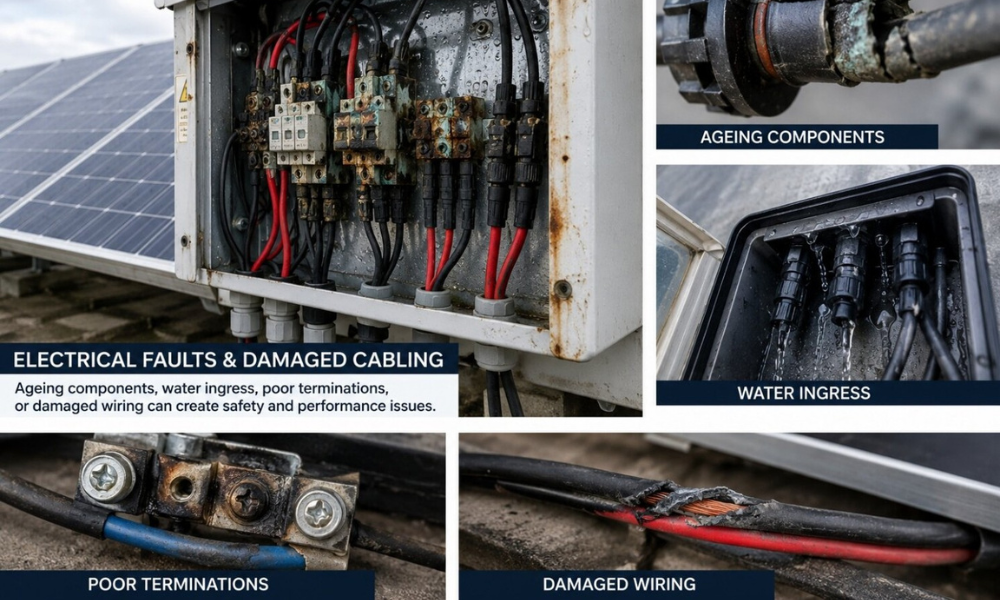
Commercial solar systems are electrical assets and should be managed accordingly. As systems age, potential safety risks can increase.
These may include:
Electrical faults
- Damaged wiring
- Water ingress
- Loose connections
- Ageing isolators
Rooftop access issues
HVAC contractors, plumbers, roofers, and emergency services may encounter solar infrastructure during unrelated works.
Proper procedures should exist for:
- Roof access
- Emergency shutdowns
- Contractor inductions
- Safety signage
Solar systems remain energised
Importantly, solar panels continue generating electricity during daylight hours, even when the grid supply is isolated.
This creates additional considerations for emergency planning and maintenance activities.
Expert tip
Solar safety should form part of every property’s broader asset management and workplace safety framework.
Commercial solar compliance obligations continue to evolve
Australian standards governing solar installations have changed significantly over the past decade.
The current installation standard, AS/NZS 5033:2021, introduced updated requirements relating to:
- Signage
- Isolation points
- Emergency shutdown procedures
- Installation practices
While existing systems generally do not require immediate upgrades, significant maintenance works may trigger compliance reviews.
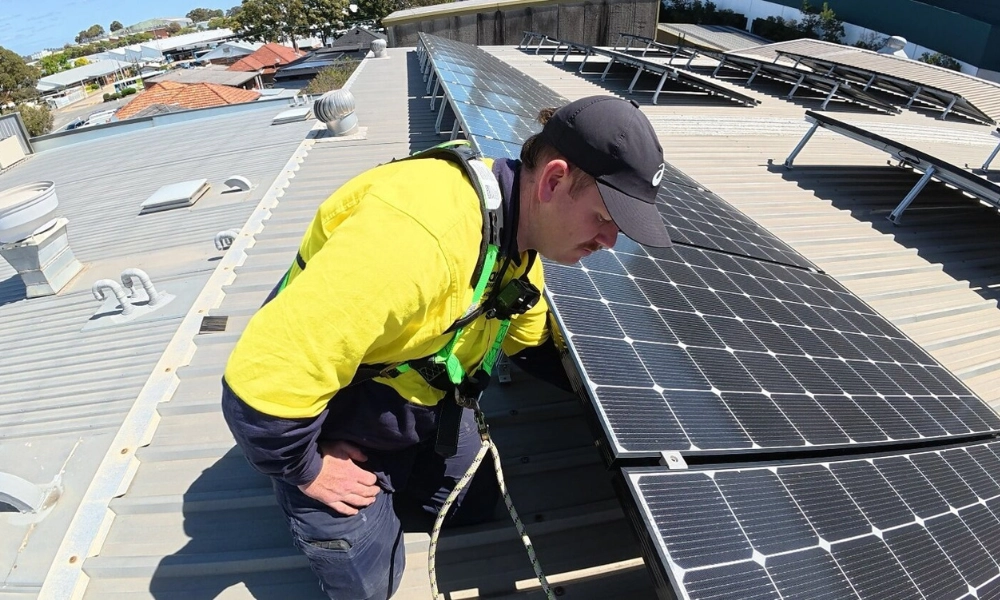
Commercial property owners should also consider their obligations under workplace safety legislation.
Documented inspections and maintenance records demonstrate that reasonable steps have been taken to manage foreseeable risks.
Expert quote
“Proactive monitoring, periodic inspection, and documented maintenance are practical ways to reduce risk and demonstrate that reasonable steps have been taken.”
The business case for proactive solar maintenance
As Australia’s commercial solar fleet continues to age, proactive maintenance is becoming increasingly important. Many systems installed between 2010 and 2020 are now entering their first major maintenance cycle, with inverter ageing, expiring warranties, and hidden performance losses becoming more common.
For schools, businesses, councils, and commercial property owners, a reactive approach can lead to unnecessary downtime, lost savings, and increased operational risk. Treating solar as a long-term infrastructure asset rather than a “set and forget” technology can help protect both financial and operational outcomes.
Reduce downtime and protect financial performance
Solar underperformance rarely happens overnight. Inverter faults, communication failures, increasing shading, and equipment degradation can gradually reduce energy production without causing a complete system shutdown. Because these issues often develop slowly, many organisations remain unaware that their systems are no longer delivering the expected savings.
Regular health checks and active monitoring help identify performance issues early, reducing costly downtime and ensuring solar assets continue generating the energy they were designed to produce.
Minimise safety and compliance risks
As commercial solar systems age, maintaining safety and compliance becomes increasingly important.
Ageing electrical components, damaged cabling, water ingress, and outdated safety signage can all create operational risks if left unmanaged. In addition, evolving standards and workplace safety obligations mean organisations should periodically review whether their systems remain aligned with current requirements.
Regular inspections provide documented evidence that reasonable steps have been taken to manage foreseeable risks and maintain critical infrastructure appropriately.
Support long-term asset planning and budgeting
Like any major building asset, commercial solar systems require lifecycle planning. Health checks provide valuable insight into equipment condition, approaching warranty expiries, inverter replacement timelines, and future upgrade opportunities.
This allows organisations to move from reactive spending to proactive asset management, improving budgeting certainty and reducing the likelihood of unexpected capital expenditure.
For schools and other organisations managing multiple facilities and competing priorities, forward planning can significantly improve long-term investment outcomes.
Expert quote
Many underperforming systems still appear to be working, making professional inspections particularly valuable.
What does a commercial solar health check include?
A comprehensive health check should review the system from both a technical and asset management perspective.
Performance assessment
- Review historical generation data
- Benchmark against expected production
- Analyse inverter event logs
- Identify underperforming strings
Physical inspection
- Panel condition
- Mounting systems
- Cabling and conduits
- Inverter environment
- Evidence of degradation
Safety assessment
- Emergency signage
- Isolation points
- Roof access considerations
- Contractor safety procedures
Documentation review
- Warranty status
- Commissioning records
- Maintenance history
- Network agreements
- Shutdown procedures
Future planning
- Equipment nearing end-of-life
- Monitoring upgrades
- Recommended maintenance actions
- Long-term asset strategy
Commercial solar systems should be treated like any other critical building asset. Proactive maintenance provides visibility, protects financial returns, and reduces operational risk.
Expert tip
A health check should not simply identify issues. It should provide a practical action plan for addressing them.
How often should commercial solar systems be inspected?
There is no single rule that applies to every installation. However, industry best practice generally recommends:
| Activity | Recommended frequency |
|---|---|
| Performance review | Annually |
| Monitoring review | Ongoing |
| Physical inspection | Every 1 to 2 years |
| Systems older than 10 years | Immediate assessment |
| Following major weather events | As required |
Older systems, particularly those installed before 2016, should receive increased attention.
Why proactive maintenance delivers better returns
Commercial solar systems represent significant capital investments. Protecting those investments requires ongoing attention.
Regular health checks can help:
Maximise energy savings
Identify hidden underperformance before financial losses accumulate.
Extend asset life
Address small issues before they become major failures.
Improve safety
Reduce risks associated with ageing electrical infrastructure.
Support compliance
Maintain documentation and inspection records.
Improve budgeting
Plan for future inverter replacements and upgrades.
Most importantly, proactive maintenance provides certainty. Property owners gain confidence that their solar systems are continuing to deliver the outcomes they were originally designed to achieve.
Is your solar system still performing as expected?
Many commercial solar systems have not undergone a professional assessment since installation.
A commercial solar health check can help identify:
✅ Hidden performance losses
✅ Ageing equipment issues
✅ Safety concerns
✅ Compliance gaps
✅ Future maintenance requirements
✅ Warranty opportunities
Whether you manage a school, warehouse, shopping centre, office building, council facility, or community organisation, understanding the condition of your solar assets is essential.
Book a commercial solar health check with Solar Service Guys today and ensure your system continues delivering value for years to come.
Frequently asked questions
What is a commercial solar health check?
A commercial solar health check is a professional assessment of a solar system’s performance, safety, physical condition, and documentation. It helps identify hidden issues and future maintenance requirements.
How often should commercial solar systems be serviced?
Performance reviews should occur annually, while physical inspections are generally recommended every one to two years. Older systems may require more frequent assessments.
Can solar systems lose performance without failing completely?
Yes. Many systems continue operating while producing significantly less electricity due to inverter issues, panel degradation, or communication failures.
What are the signs that a commercial solar system needs attention?
Increasing electricity bills, inverter faults, missing monitoring data, ageing equipment, and unexplained reductions in generation can all indicate potential issues.
Are commercial solar inspections mandatory?
Inspection requirements vary by location and asset type. However, regular inspections are widely considered best practice and support workplace safety and governance obligations.
Key takeaways
- Australia’s commercial solar fleet is entering a significant maintenance phase.
- Ageing systems may quietly lose performance and financial value.
- Safety and compliance requirements continue to evolve.
- Professional health checks provide visibility into asset condition.
- Proactive maintenance helps maximise long-term return on investment.
Sources
- Australian Renewable Energy Agency (ARENA)
- Australian Energy Market Operator (AEMO)
- Clean Energy Council (CEC)
- Safe Work Australia
- Standards Australia
- Department of Climate Change, Energy, the Environment and Water