

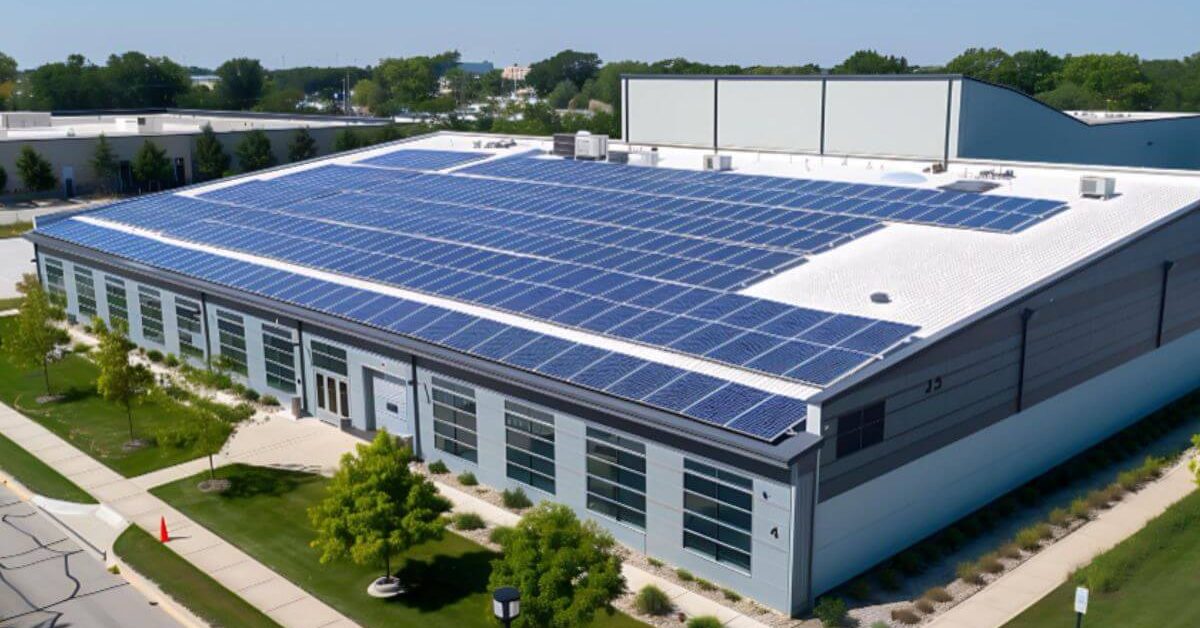
Overview
- Solar panels continue generating value even when businesses close for holidays.
- They produce power automatically, export excess energy as bill credits, store surplus electricity, and balance grid use.
- This ensures lower costs, stronger energy security, and predictable returns year-round, allowing investors and property owners to benefit financially despite operational downtime.
Holidays may halt business operations, but fixed electricity costs continue. Investors and property developers must plan energy investments accordingly. A common question arises: do solar panels still work when businesses shut down for holidays?
The answer is yes. Solar panels continue generating power, often providing greater value during periods of lower energy demand. At Solaric, industrial solar installations are designed to maintain consistent energy production and deliver reliable financial returns, even during downtime.
Read on to learn how these systems remain productive when your operations pause.
How Solar Panels Work During Holidays

Solar panels rely solely on sunlight, which allows them to continue generating and managing electricity during holidays. They produce power and enable system controls to run as usual, even when offices or facilities are temporarily shut down.
Generates Power Automatically
Photovoltaic panels convert sunlight into electricity without requiring any on-site activity. Even when offices are closed and machinery is off, panels continue to generate and store energy, ensuring sunlight is never wasted during holiday downtime.
When production exceeds on-site consumption, excess electricity can be fed back into the grid through the Net Metering Program, earning businesses additional credits. This way, solar power continues to deliver financial value even when electricity demand is low.
Stores Excess Energy
These systems are designed with energy storage integration, so when extra energy is produced during idle periods, it can be stored for backup. Grid-connected systems export unused power to the utility network, which reduces future consumption through net metering credits. This effectively turns idle time into stored financial value.
That excess generation matters when operations resume, and power reliability becomes critical. Solar-produced energy offsets immediate post-holiday demand, reducing dependence on grid availability during minor outages. Instead of losing productive hours to utility delays, businesses return to operation with usable power already accounted for.
Balances Power Use
Solar energy producers continuously balance production and consumption through automated controls linked to the utility grid. When generation is high and demand is low, the system exports power. When generation drops, it imports only what is necessary. This adjustment happens continuously without manual interruptions throughout long resting seasons.
Such balancing prevents inefficiencies caused by fixed grid dependence. Facilities avoid paying for excess electricity costs while remaining fully powered and connected. This way, investors and property developers ensure power flow stays optimized regardless of active status.
Benefits of Using Solar Panels Outside Work Hours

The more a facility reduces daytime consumption during off hours, the more of its generated solar energy gets exported as usable bill credits. The system continues converting sunlight into measurable financial offsets instead of sitting idly or quietly raising electricity costs.
Higher Cost Savings
Lower electricity usage during the holidays increases the proportion of generated power that converts into bill credits. These directly reduce future electricity expenses once operations resume. Companies experience little to no ghost loads, and savings accumulate even when no one is on-site.
These mechanisms improve annual return calculations. Instead of generating value only during working days, the system contributes year-round. This ensures consistency and financial reliability across seasons.
Better Energy Security
What makes them so beneficial is that they remain powered during grid interruptions even when facilities are unattended. This is especially critical for specific company assets that need continuous power, such as security monitoring and critical servers. Solar power ensures that, despite downtime, the facility does not become susceptible to outside vulnerabilities.
Solar-produced energy offsets startup loads and reduces reliance on the grid during reopening periods, when utilities are often operating at peak rates. Instead of absorbing higher costs, businesses resume operations with energy value working in their favor.
Predictable Costs
Solar stabilizes energy expenses by reducing exposure to seasonal demand shifts and fluctuating grid rates. Holiday closures no longer distort monthly or annual cost projections because these systems deliver consistent performance. With their reliability, energy planning becomes a much smoother process.
Over time, this predictability strengthens asset valuation. While they come with high upfront costs, the systems recover their investment through steady performance. Returns materialize regardless of how often a building is occupied.
Get Solar Panels From Solaric
If you’re looking for a reliable green power solution that works beyond business hours, Solaric has you covered. As a trusted solar provider in the Philippines, we design IEC-spec systems that generate, manage, and stabilize energy even during long weekends and holiday closures.
We don’t just focus on long-term performance; we also help ensure effective installation. Our in-house engineers handle system design and monitoring to ensure your assets remain dependable and productive over their full lifespan. You gain confidence that your investment delivers high value, whether your buildings are occupied or not.
Key Takeaway
Do solar panels still work when a business shuts down for the holidays? Yes, they do. They continue producing energy and strengthening a business’s financial performance, even during periods of low use. Downtime not only maximizes their full generative capabilities but also enhances their value over time.
If you want to learn more about how they contribute to long-term operational stability, we can help you assess system performance with ease. Contact Solaric today to understand how they support predictable returns outside of daily operations.