

The Australian energy landscape has shifted dramatically over the last year. Electricity prices in states like New South Wales and South Australia now frequently exceed 40c/kWh during peak periods. Meanwhile, the cost of high-quality solar technology has stabilised, making the return on investment faster than ever before.
Maximising your rooftop power is not just about installing panels; it is about creating an integrated ecosystem. By combining high-efficiency generation with smart storage, you reduce your reliance on an aging grid. This setup protects your family from outages and shields your budget from volatile market prices.
Selecting high-efficiency solar panels
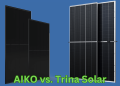
In 2026, the standard 6.6kW system has evolved. Most modern installations now use N-type TOPCon or HJT (Heterojunction Technology) cells. These panels deliver superior efficiency, often exceeding 22%, and perform better in the harsh Australian heat than older P-type models.
- Better degradation rates: Modern panels maintain over 85% of their capacity even after 25 years.
- Space efficiency: You need fewer panels to achieve your target output, making it ideal for smaller roofs.
- Heat tolerance: Lower temperature coefficients mean your system continues to maximise your rooftop power even on 40°C days.
Choosing the right panels is the first step toward a high-performance home. It ensures every ray of sunlight is converted into usable energy for your appliances or battery. Check our page for our recommended solar panel products.
The 2026 battery revolution: Storage is essential
A solar system without a solar battery in 2026 is only doing half the job. Most of your solar energy is produced during the day when you are likely at work. Without storage, you export that power for a measly 5-7c/kWh feed-in tariff, only to repurchase it at 35c/kWh in the evening.
Home solar battery storage has become significantly more affordable. A quality 10kWh battery system now has a typical payback period of just over five years. This is a significant improvement over the 10-year payback periods we saw just a few years ago.
By storing your excess energy, you maximise your rooftop power for use during costly peak times. This “solar shifting” ensures your home runs on clean, free energy well after sunset. For our list of recommended solar battery products, see this page.
Use Energy Matters’ easy-to-use solar power and battery storage calculator to determine the size of your solar system with storage! Our solar calculator will generate performance information and potential savings.
We can send this information to 3 of our pre-vetted, trusted local installers in your area to receive obligation-free solar quotes and take the first step toward true energy independence!

Joining a VPP: Maximising your rooftop power and profits
A Virtual Power Plant (VPP) is a network of home batteries that work together to support the grid. When you join a VPP, you allow a provider to occasionally use a small portion of your stored energy during grid emergencies. In exchange, you receive significant rewards.
- Bill credits: Many providers offer daily credits just for being connected.
- High feed-in tariffs: Some VPP plans pay over $1.00 per kWh during “grid events.”
- Community resilience: Your battery helps prevent local blackouts by stabilising network frequency.
Participating in a VPP is a key strategy for maximising your rooftop power. It transforms your battery from a passive storage device into an active income generator. Most VPP software ensures you always have sufficient backup power to meet your needs before exporting to the grid. For more information, check out our VPP offers in Australia page.
Is a VPP right for every household?
VPPs suit many, but not all, homes in Australia for solar battery and VPPs in 2026. Homes with solar batteries benefit the most.
Those who want complete energy independence may prefer limited VPP participation. Others enjoy earning passive credits with little effort.
Solar, Battery, and VPP Comparison Table
| Feature | Solar Panels | Home Batteries | VPPs |
| Main Role | Generate energy | Store energy | Share and earn |
| Works Day/Night | Day | Mostly night | As needed |
| Bill Savings | High | Very high | Extra income |
| Grid Independence | Partial | Strong | Strong |
| Key Benefit | Clean power | Energy control | Financial rewards |
Understanding the May 2026 rebate changes
Timing is everything if you want to save on upfront costs. The Australian Government’s Cheaper Home Batteries Program is undergoing a significant change on May 1, 2026. If you act before this deadline, you can secure a much higher rebate through the Small-scale Technology Certificate (STC) system.
- Rebate reduction: On May 1, the STC factor for batteries decreases from 8.4 to 6.8, a nearly 20% reduction.
- Size tapering: New rules will favour “right-sized” systems. Batteries up to 14kWh receive 100% of the incentive, while larger systems see a tiered reduction.
- VPP readiness: To claim any rebate in 2026, your battery must be “VPP capable” at the time of installation.
Delaying your installation by just one month could cost you over $1,000 in rebates. Maximising your rooftop power requires being strategic about the timing of your investment to secure the best financial support. Check out our blog about Cheaper Home Batteries Program Changes Explained from 1 May 2026.
Smart energy management and AI
In 2026, we are seeing the rise of AI-driven energy management systems. These “smart brains” for your home analyse weather forecasts and your historical usage to determine when to charge or discharge your battery.
If the system knows tomorrow will be rainy, it might charge your battery from the grid during the cheap off-peak period tonight. This level of automation is essential for maximising your rooftop power and ensuring you never pay more for electricity than you absolutely have to.
Comparing your options in 2026
| Feature | Solar Panels Only | Solar + Battery | Solar + Battery + VPP |
| Daytime Savings | High | High | High |
| Evening Savings | Low (Feed-in only) | Very High | Very High |
| Grid Independence | Minimal | High | High |
| Income Potential | Low | Low | High (Credits & Bonuses) |
| Blackout Protection | None | Full | Full (with reserve) |
| Typical Payback | 3-4 Years | 5-7 Years | 4-6 Years |
Taking the next step with Energy Matters
Are you ready to stop paying high electricity bills? The road to energy independence starts with professional advice. Energy Matters has helped over 40,000 Australians transition to renewable energy with ease. We connect you with pre-vetted, local installers who understand the 2026 regulations.
Don’t wait for the May rebate drop. Start maximising your rooftop power today by getting your free solar quotes or exploring the Energy Matters Marketplace. Our solar experts are here to help you find the perfect system for your home and budget.