

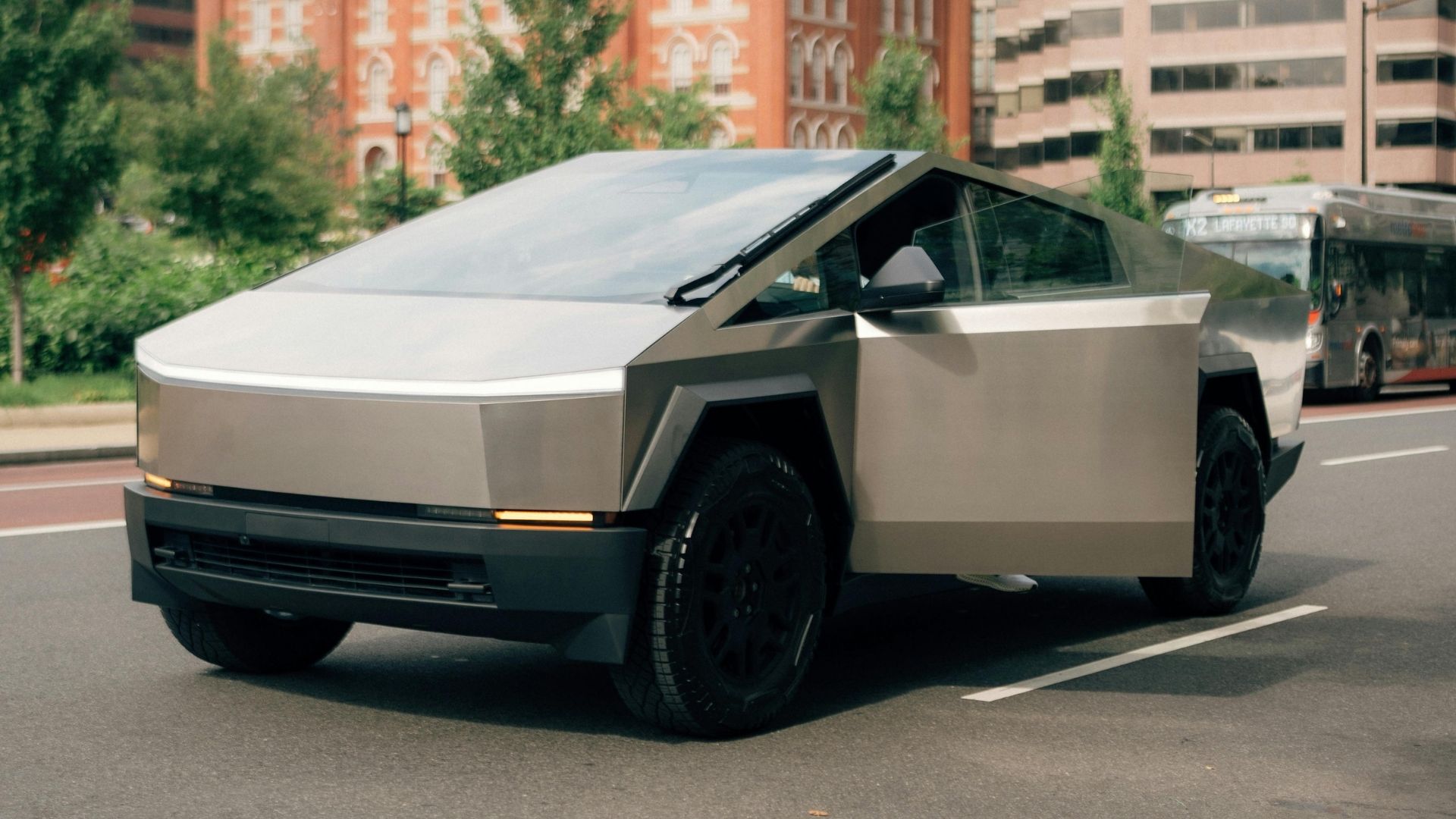
The California energy landscape is evolving fast. With automakers expanding bidirectional charging across their 2026 vehicle lineups and models like the Ford F-150 Lightning and Tesla Cybertruck already on the road, many Bay Area homeowners are asking a logical question: if my car is a giant battery, do I still need a dedicated home battery like a Tesla Powerwall? Let’s break down the reality of Vehicle-to-Home (V2H) tech in 2026.
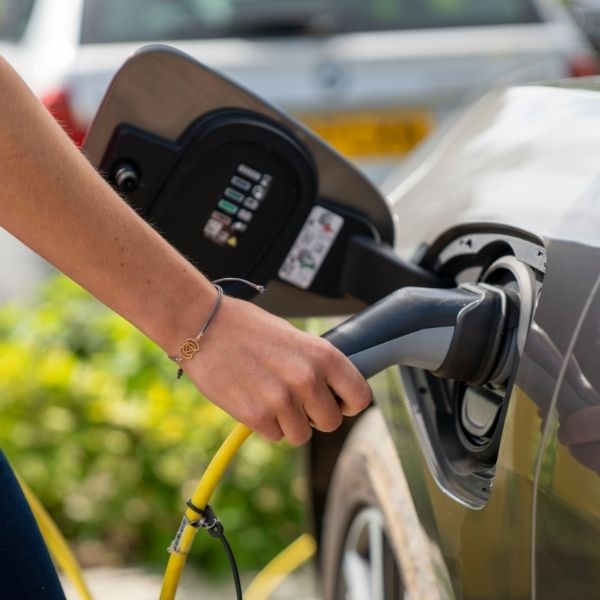
The Promise of Vehicle-to-Home (V2H) Technology
Bidirectional charging allows your EV to not only pull energy from the grid but also push it back into your home. With California’s recent push for V2H adoption, using your car to power your house during a Public Safety Power Shutoff (PSPS) sounds like the ultimate life hack. An EV battery holds significantly more energy than a standard home battery, theoretically offering days of backup power during extreme outages.
The Hidden Costs of Bidirectional Equipment
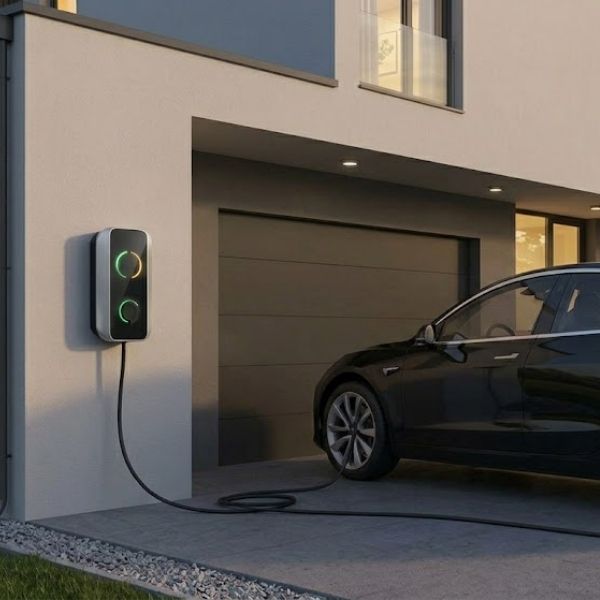
However, making your home bidirectional-ready isn’t as simple as plugging in a cord. While the vehicles are ready, the necessary home hardware—smart inverters, automated transfer switches, and specialized bidirectional chargers—remains incredibly expensive. In 2026, upgrading your home infrastructure for V2H can easily cost upwards of $10,000. When comparing this to the heavily rebated cost of a dedicated solar battery through California’s SGIP, the financial edge often goes to traditional storage.
Your Car Isn’t Always Home During Peak Hours
The most critical factor is availability. PG&E’s peak pricing hits between 4 PM and 9 PM. If you are commuting, picking up kids, or running errands during those hours, your EV battery isn’t plugged into your house—meaning you are paying peak utility rates. A dedicated system like a Tesla Powerwall is permanently fixed to your home, automatically shifting your solar load every single evening regardless of where you drive.
Wear and Tear on Your EV Battery
Using your vehicle for daily load shifting adds cycles to its battery. While EV batteries are robust, cycling them every day to run your home’s HVAC and appliances can accelerate degradation over time. Most automakers are still refining their warranty terms regarding heavy V2H usage. Dedicated home solar batteries, on the other hand, are specifically engineered for daily deep cycling and come with robust 10-year warranties.
The Ultimate Verdict for Bay Area Homeowners
Bidirectional charging is an incredible tool for emergency backup during prolonged grid outages. However, for everyday utility bill savings, load shifting under California’s current net metering rules, and seamless daily operation, a dedicated home battery remains the superior choice in 2026. Ideally, the home of the future uses both: home storage for daily energy management and an EV for extreme emergency reserves.
Ready to Figure Out the Best Energy Storage Solution for Your Lifestyle?
West Coast Solar has been helping Bay Area homeowners navigate California’s changing energy grid for years. Contact us today for a free, customized solar and storage consultation!