


New Jersey Gov. Phil Murphy signed into law in December revised “smart solar” permitting legislation (S4100/A5264). The State Senate and Assembly has previously passed the amended legislation unanimously. The legislation will need to be implemented by the Dept. of Community Affairs (DCA) under the new administration of Gov.-elect Mikie Sherrill.
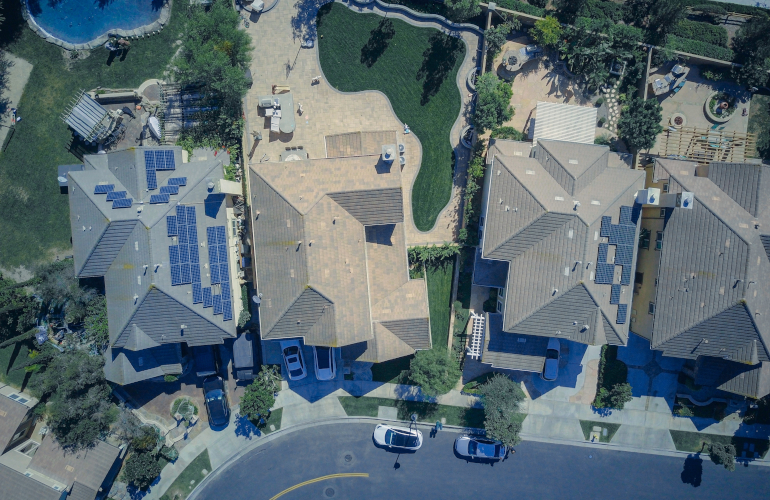
The bill will expedite the approval process for residential solar and battery systems, delivering more solar installations and energy bill savings for families across the state. This legislation would require the DCA to make an online, automated permitting platform for rooftop solar and battery installs available statewide within 18 months of the bill’s signing. Households with code-compliant projects will be able to avoid costly and burdensome red tape and obtain the permits they need to proceed nearly instantly.
“After the latest PJM regional electric grid auction, it’s clear we can’t depend on outside help to lower utility bills. Gov. Murphy’s decision to sign the smart solar permitting bill into law will provide more clean energy to our electric grid and provide more savings for ratepayers. Smart solar permitting can bring permitting into the 21st century and reduce costs and burdens on towns and cities,” said State Sen. John McKeon (D-27), the Senate prime sponsor of the legislation. “We should put people over paperwork so we can get more solar on our rooftops and more savings for ratepayers in our wallets. I look forward to working with the Sherrill Administration and DCA to implement this win for the environment, the electric grid and for all of us.”
Hundreds of cities around the country are already using smart solar permitting to fast-track solar and battery applications, quickly and safely delivering energy independence and lower bills to their residents. Smart permitting is also widely accessible by state law in California, Maryland, Texas and Florida. In June 2024, the National Renewable Energy Laboratory (NREL) estimated that in the communities where SolarApp+, the smart permitting platform designed by the federal government, is used, the software saved 15,400 hours of local government staff time in 2023 and sped up the permitting process by an average of 14.5 days.
The Regional Plan Association released a report earlier this year examining local barriers to home solar and battery installs across New Jersey. It found that New Jersey has the third-slowest permitting timelines for residential solar projects in the country. Families that want to “go solar” typically have to navigate a confusing network of local government hurdles, including multi-departmental reviews, inconsistent or outdated requirements, and antiquated sign-off procedures. The process is so difficult in some municipalities that many installers avoid them, leaving consumers in those towns with limited options to choose from if they want to go solar.
Permitting inefficiencies aren’t just an administrative headache, they also increase costs for consumers. Permitting can add $3,800 to $4,500 to the cost of a typical rooftop solar system in New Jersey. Nearly one out of five residential solar projects are canceled before installations, with installers citing permitting barriers as the number one reason for the cancelations.
“New Jerseyans are embracing rooftop solar and battery storage as a smart way to cut costs and take control of their energy usage,” said Leah Meredith, Mid-Atlantic director of state affairs for the Solar Energy Industries Association (SEIA). “Smart permitting helps accelerate that transition by removing bureaucratic red tape, reducing delays, and lowering costs for families and local governments. This legislation is a practical step that will benefit homeowners, small businesses, and the entire New Jersey economy.”
Smart solar permitting could unlock tremendous benefits for New Jerseyans and our electric grid. Brown University Climate Solutions Lab estimates that adopting smart permitting statewide could result in an additional 200,000 residential solar systems installed by 2040.
The bill also allows local communities to opt out of using the DCA platform as long as they implement a comparable alternative. These jurisdictions must submit an annual report to the DCA that provides information on the number of permit applications submitted through their automated platform and shows documentation that their platform meets the needed requirements.
News item from Vote Solar