Remote Australian communities have long struggled with unreliable and expensive power. Today, microgrids in Australia’s renewable energy systems are changing that story. By combining local renewable energy such as solar power with smart technology, microgrids deliver cleaner, cheaper, and more reliable electricity where it’s needed most.
From indigenous communities to mining towns, microgrids are reshaping energy access across Australia.
What are microgrids?
A microgrid is a small, local energy network. It can operate independently or connect to the main grid when needed.
Microgrids Australia’s renewable energy systems typically include solar panels, batteries, and backup generators. These systems are managed using smart controls that balance supply and demand.
Key microgrid components
The role of solar battery storage
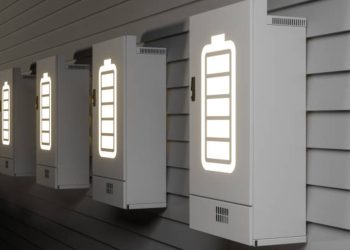
You cannot have effective microgrids or renewable energy systems in Australia without robust storage. Solar batteries are the “heart” of the microgrid, smoothing out the intermittency of solar and wind. In Australia’s harsh heat, these batteries must be housed in climate-controlled containers to ensure longevity.
Use Energy Matters’ easy-to-use solar power and battery storage calculator to determine the size of your solar system with storage! Our solar calculator will generate performance information and potential savings.
We can send this information to 3 of our pre-vetted and trusted local installers in your area to receive obligation-free solar quotes and take the first step towards true energy independence!

Modern lithium-ion and flow batteries can now power entire towns for days if necessary. This technology ensures that even during a week of heavy cloud cover, the community’s essential services—such as clinics and schools—remain operational. Microgrids and renewable energy projects in Australia are proving that 100% renewable uptime is not just a dream but a functional reality.
Why batteries matter
- Store excess solar power
- Reduce generator runtime
- Improve power stability
- Enable nighttime renewable use
Why remote Australia needs microgrids
The Australian Outback is one of the most challenging environments on Earth for energy infrastructure. Traditional “poles and wires” are expensive to maintain over thousands of kilometres of desert and bushland. Furthermore, many remote communities are at the “fringe of the grid,” where power quality is often poor, and blackouts are frequent.
Reliance on diesel is another significant burden. Transporting fuel to remote areas is costly and creates a high carbon footprint. By implementing microgrids and renewable energy solutions, these communities can slash their diesel consumption by up to 80%. This transition provides a “buffer” against global fuel price spikes that often hit remote residents the hardest.
Switching to solar today is the best way to join the energy revolution. Get your free solar quotes from Energy Matters to see how much you can save and start your journey toward independence.
Comparing energy sources for remote areas
| Feature | Traditional Diesel Generation | Microgrids Australia Renewable Energy |
| Fuel source | Imported diesel | Solar, wind, and battery |
| Cost stability | Low (fuel price is volatile) | High (fixed infrastructure cost) |
| Carbon footprint | High | Extremely low |
| Maintenance | Frequent mechanical service | Low electronic maintenance |
| Reliability | Susceptible to fuel delays | High (self-sustaining) |
Leading projects: From Marlinja to Blackstone
Several landmark projects demonstrate the power of microgrids and renewable energy in Australia. In the Northern Territory, the Marlinja community has developed the first Aboriginal-owned microgrid. This project uses a 100kW solar array and a 136kWh battery to supply clean energy to homes, reducing reliance on expensive prepaid power cards.
In Western Australia, the Blackstone (Papulankutja) Hybrid Energy Project is another shining example. This project aims for 80% renewable penetration, using a massive solar array and a 2MWh battery. By integrating microgrid and renewable energy technologies, Blackstone is setting a blueprint for over 100 other remote communities managed by Horizon Power.
Benefits of microgrids for remote Australian communities
1. Reliable power supply
Microgrids provide stable electricity even during grid failures. This is critical for healthcare, water systems, and communications.
2. Lower energy costs
Diesel fuel costs can drop by up to 80%. Over time, microgrids in Australia’s renewable energy systems save communities millions.
3. Reduced carbon emissions
Renewable microgrids significantly cut greenhouse gas emissions. This supports Australia’s clean energy targets. Use Energy Matters’ carbon footprint calculator to calculate your household and business’s direct emissions.
4. Local energy independence
Communities gain control over their energy future. Less reliance on external fuel supply chains means greater resilience.
Technical challenges and the path forward
While the benefits of microgrids and renewable energy in Australia are clear, the transition isn’t without hurdles. Integrating diverse energy sources requires advanced “smart” controllers to balance supply and demand in real time. Additionally, current Australian regulations sometimes make it difficult for small communities to sell excess power back to the main grid.
However, government initiatives like the ARENA Regional Microgrids Program are providing the necessary funding to bridge these gaps. As battery technology becomes cheaper, the case for microgrids and renewable energy in Australia only grows stronger. We are moving towards a future where “off-grid” no longer means “without power,” but rather “fully independent.”
How Energy Matters supports microgrid solutions
The rise of microgrids in Australia’s renewable energy sector represents a turning point for the Australian Outback. By embracing decentralised power, remote communities are gaining the tools they need to thrive economically and environmentally. This transformation ensures that no Australian is left behind in the global transition to net zero. It is a future defined by resilience, sustainability, and local empowerment.
Energy Matters designs and delivers renewable energy systems across Australia. This includes off-grid solar, battery storage, and microgrid solutions.
With decades of experience, Energy Matters helps communities move away from diesel for good.
Ready to make your own transition? Contact Energy Matters today to explore your renewable energy options and take control of your power.