

Electric vehicles have flipped the auto industry on its head, with over 30 EV brands taking to Australian streets. Roshan travelled to China for Global Energy Revolution to experience firsthand how electric and hybrid vehicles are developed and manufactured. From inside the headquarters of Geely and their extraordinarily large production line, we find out what goes into the cars taking the world by storm and transforming how we power our daily drive.
From research to reality: where EV innovation begins
Geely is one of China’s largest automotive manufacturers, with a growing global footprint that now includes Australia. Headquartered in Hangzhou, the company owns brands such as Volvo, Polestar, and Lotus, positioning itself as a serious player in the shift to electrification.
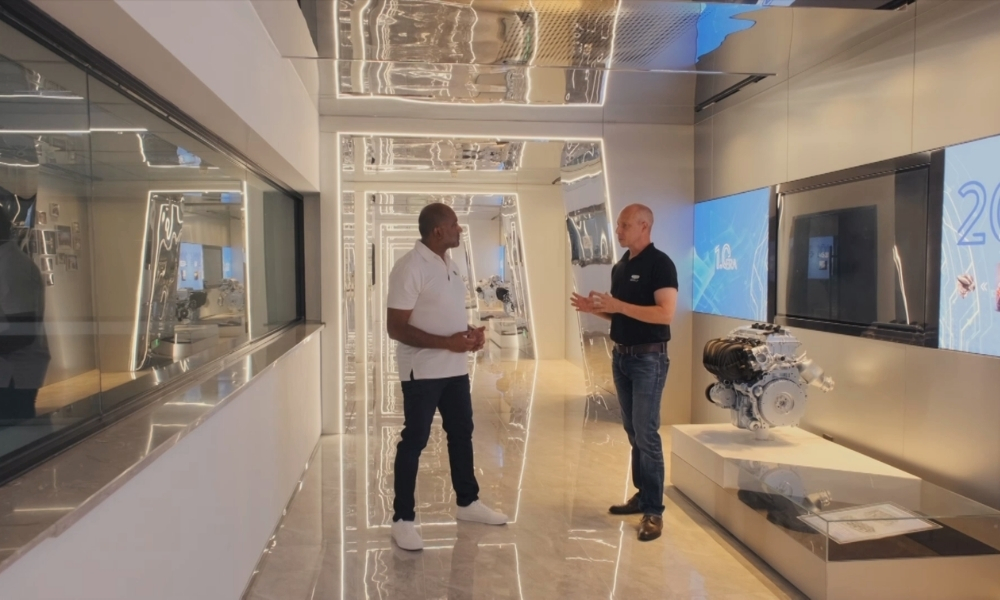
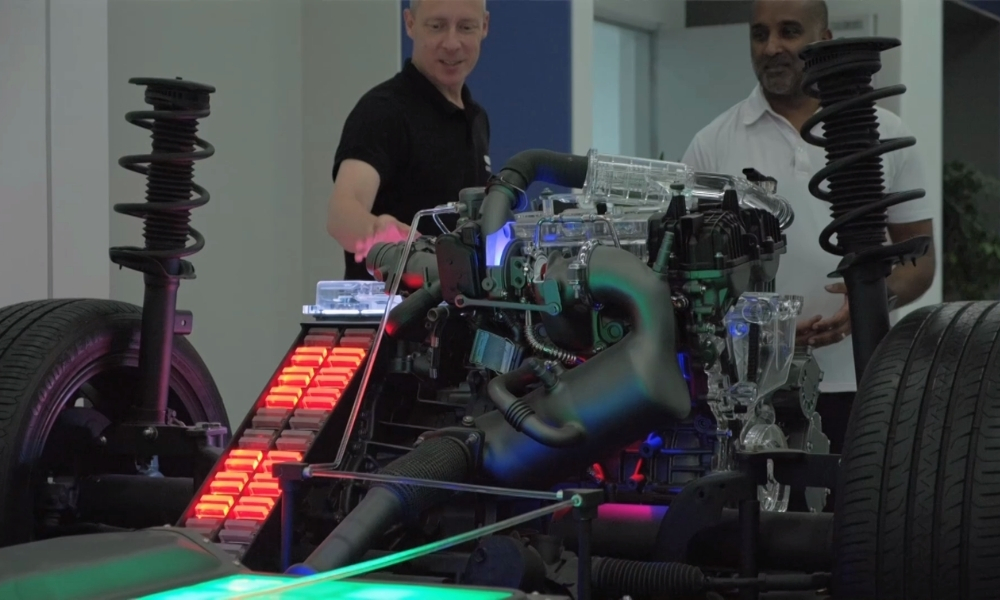
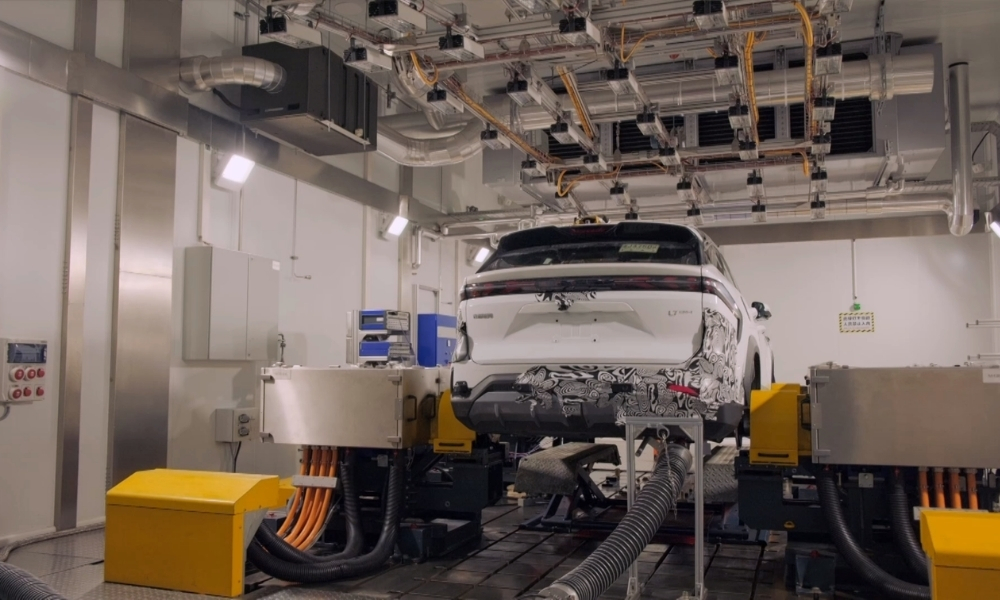
At the heart of Geely’s innovation is its advanced research and development network. In Ningbo, Roshan stepped inside a facility dedicated to new energy vehicle testing. This is where ideas are refined, pushed to their limits, and ultimately prepared for real-world driving. He met with Bernhard Shoof, Expert of New Energy Testing for Geely, to give us an insight into the ‘how’ of Geely vehicles.
The focus here is on the powertrain. This is the system that makes a vehicle move, and in electric and hybrid vehicles, it becomes the centrepiece of performance, efficiency, and reliability. Engineers test these systems across dozens of dedicated benches, running simulations around the clock to ensure every component performs as expected.
It is not just about making a car that works. It is about making one that works flawlessly, every time.
Built for a changing world
One of the key takeaways from the Geely segment is how closely vehicle development is tied to infrastructure. China has invested heavily in EV charging networks, creating one of the most extensive systems in the world. That investment has made electric vehicles not just viable, but convenient. Drivers can charge quickly, often while grabbing a meal or taking a break, and continue their journey without disruption.
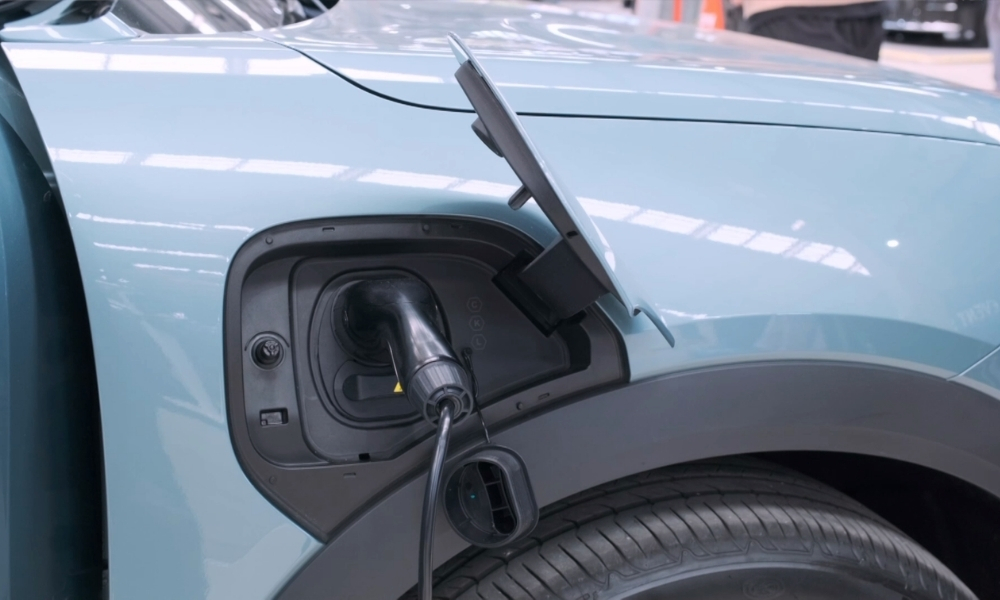
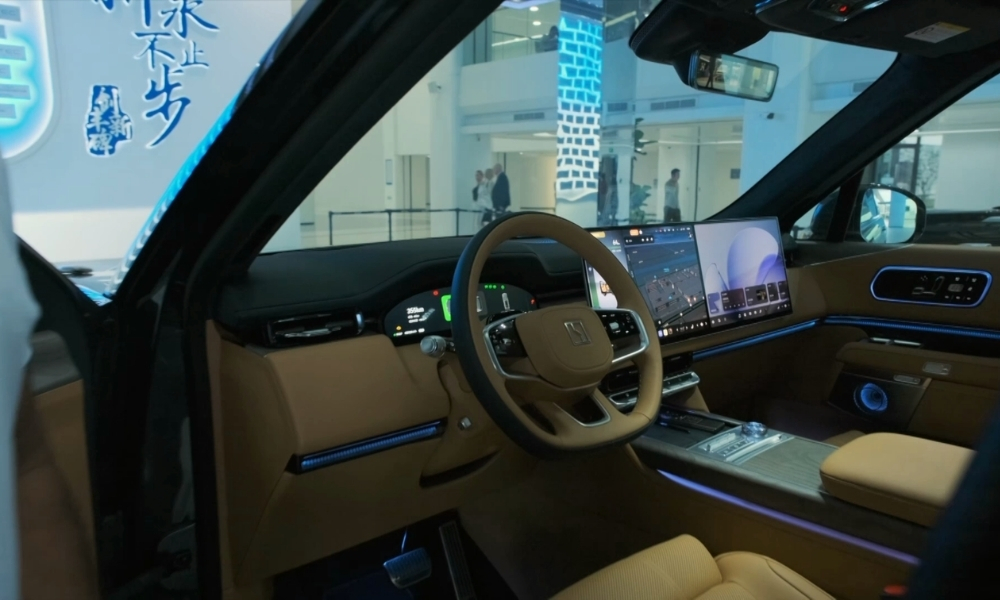
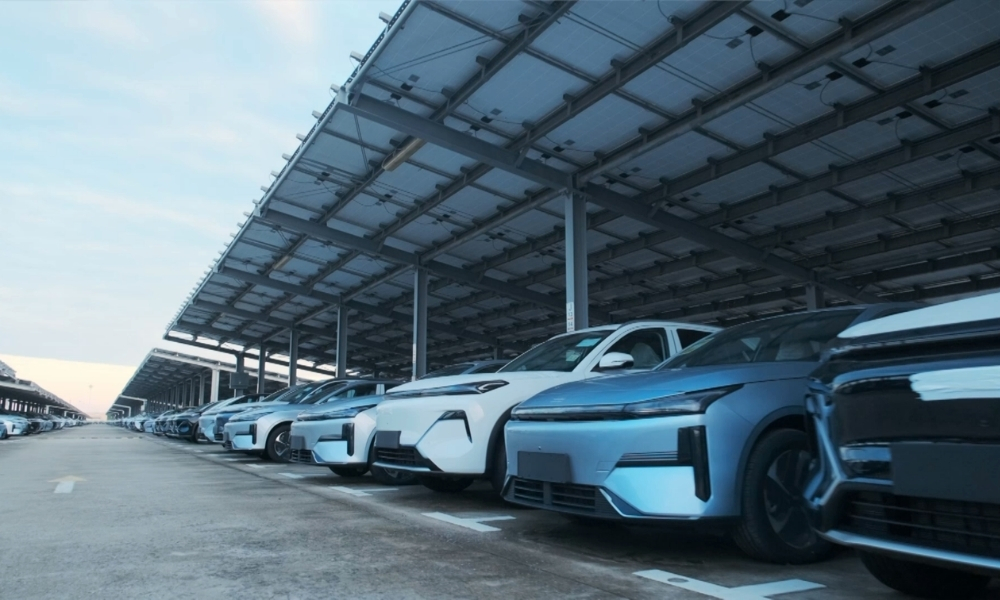
For Australians, this highlights a critical piece of the puzzle. Range anxiety is still a concern, especially for long-distance travel. However, as charging infrastructure expands locally, the gap between convenience and capability is closing fast. Geely’s approach reflects this shift. Their vehicles are designed with real-world use in mind, including longer battery ranges, improved charging speeds, and features that suit lifestyle needs.
Think camping trips, tradie workdays, or weekend getaways. With vehicle-to-load and vehicle-to-grid capabilities, these cars can power tools, appliances, and even coffee machines. It is a practical evolution that aligns with how Australians actually live.
Precision engineering at scale
While research and testing set the foundation, the real magic happens on the production line. Roshan travelled south to Geely’s manufacturing facility in Taizhou, where vehicles are built from scratch in a process that is both highly automated and impressively human. He met with Geely’s Christina Zhao to give us a glimpse behind the scenes.
Each car begins as a flat sheet of steel. Through stamping, welding, painting, and assembly, it is transformed into a fully functioning vehicle in roughly four hours. That speed is remarkable, but it is the precision that stands out. Every stage is carefully controlled, with a balance between robotics and skilled workers ensuring consistency and quality.
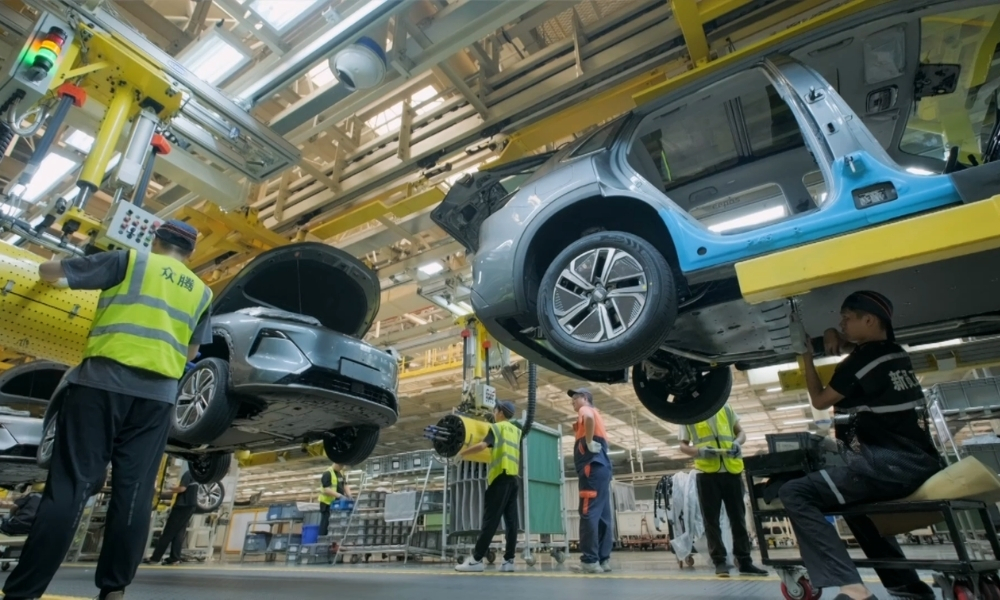
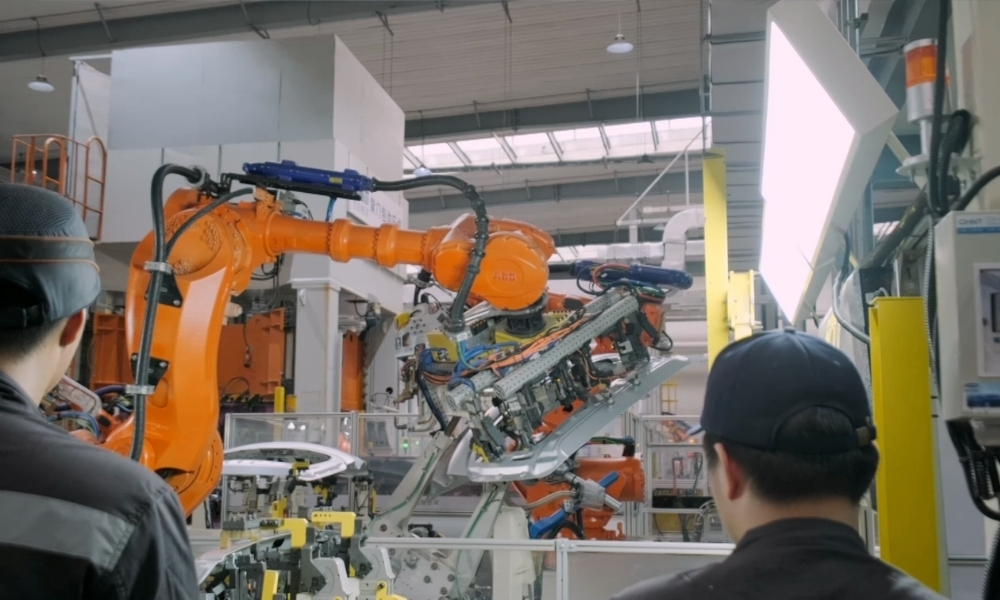
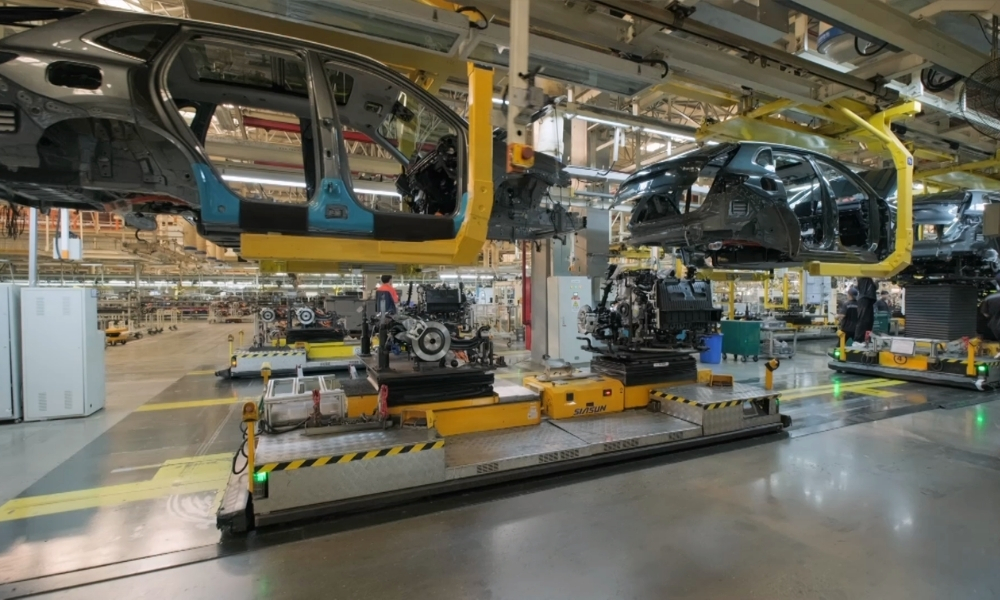
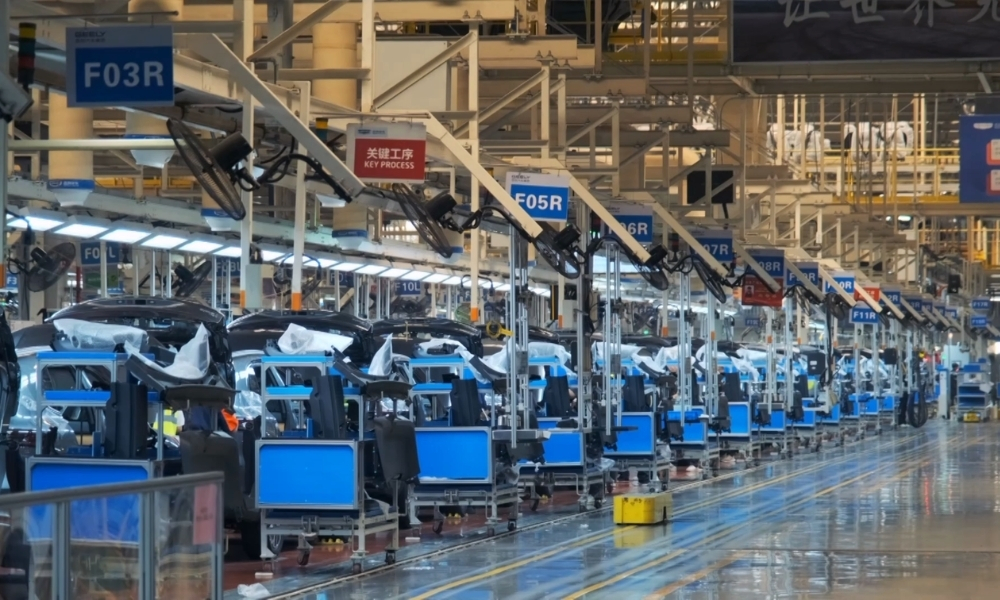
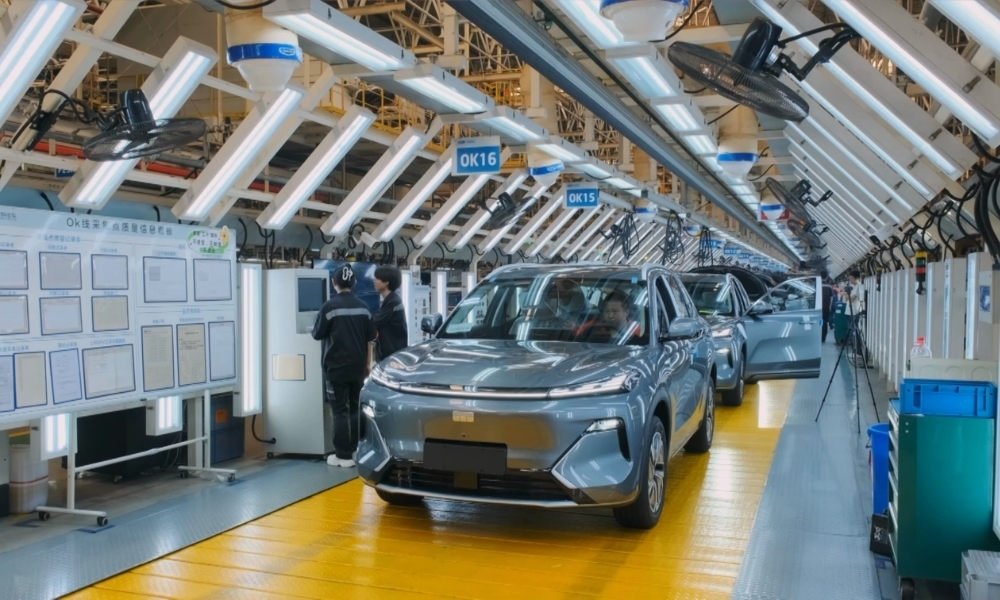
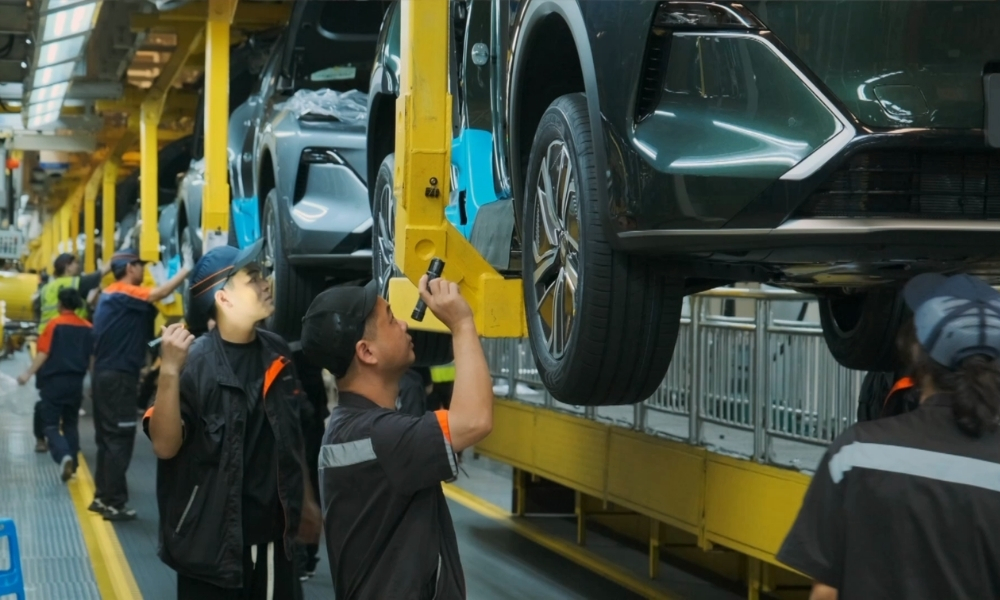
The assembly line operates like clockwork. Each station has a specific task, completed in a set time before the vehicle moves to the next stage. Within about an hour, a bare chassis becomes a car, complete with wheels, interior, and core systems.
It is a reminder that modern manufacturing is not just about scale. It is about repeatability, accuracy, and attention to detail.
Quality you can feel, not just see
Beyond performance and production speed, Geely places a strong emphasis on the driving experience. This includes factors many drivers might not consciously think about, such as noise, vibration, and overall comfort.
Inside specialised testing chambers, entire vehicles are analysed for sound and feel. Engineers fine-tune everything from cabin noise to road feedback, ensuring the final product delivers a smooth and enjoyable drive.
It might sound minor, but these details are what separate a good car from a great one. When combined with electric drivetrains, which are naturally quieter than combustion engines, the result is a noticeably refined experience.
What this means for Australian drivers
Geely’s expansion into Australia signals a broader shift in the local market. More competition means more choice, better pricing, and faster innovation. For everyday Australians, this translates to vehicles that are not only cleaner, but also cheaper to run and more practical than ever before.
Electric and hybrid vehicles are no longer niche. They are becoming mainstream, supported by improving infrastructure, government incentives, and growing consumer demand.
Geely’s focus on affordability and functionality positions it well in this evolving landscape. By combining global manufacturing scale with advanced technology, the brand aims to deliver vehicles that meet both environmental and economic expectations.
The Geely models driving Australia’s EV transition
Geely’s Australian lineup is deliberately simple, but highly strategic. Rather than flooding the market, the brand has launched with two core SUVs that cover both ends of the electrification spectrum. One is fully electric, and the other blends petrol with electric for maximum flexibility.
Geely EX5: a practical, all-electric SUV
The Geely EX5 is Geely’s fully electric offering, designed as a mid-size SUV for everyday Australian driving. Built on Geely’s dedicated electric platform, it delivers a balance of performance, range, and affordability that targets mainstream buyers.
Powered by a 160kW electric motor, the EX5 offers smooth and responsive driving, with a WLTP range of up to around 475km depending on the variant. This puts it squarely in competition with some of the most popular EVs on Australian roads.
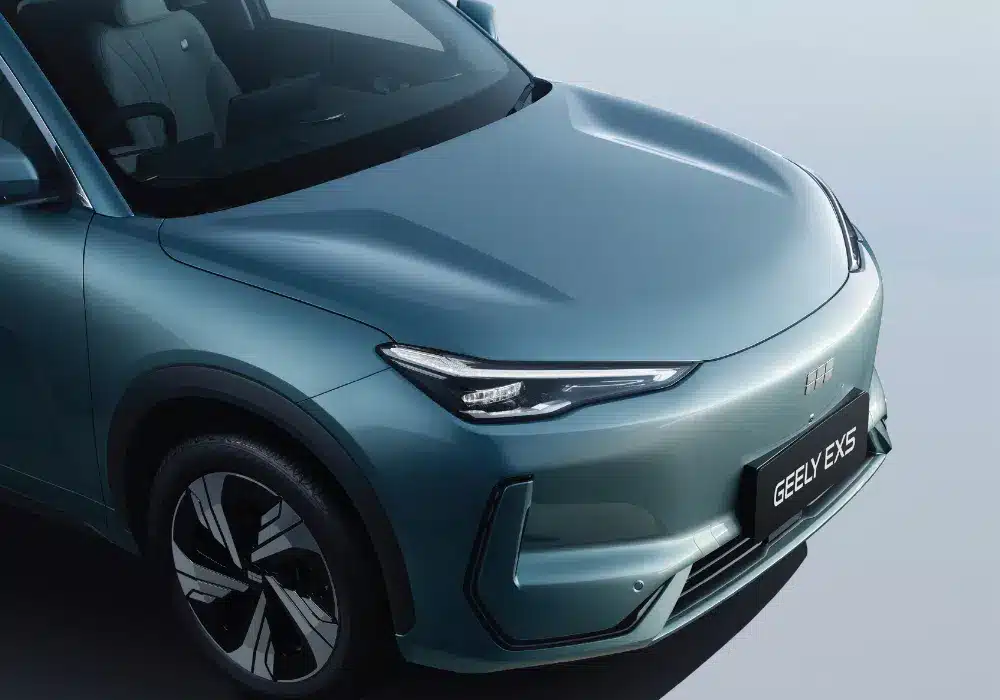
What makes the EX5 particularly relevant to Australian lifestyles is its practicality. Features like vehicle-to-load capability allow drivers to power appliances, tools, or camping gear directly from the car. It is a clear nod to how Australians use their vehicles, not just for commuting, but for weekends away and off-grid adventures.
In short, the EX5 represents the pure electric future. Quiet, efficient, and increasingly accessible.
Geely Starray EM-i: hybrid flexibility without compromise
Sitting alongside the EX5 is the Geely Starray EM-i, a plug-in hybrid SUV designed for those not quite ready to go fully electric.
The Starray EM-i combines a 1.5-litre petrol engine with an advanced electric drive system, delivering strong efficiency and impressive range. It can travel up to 83km on electric power alone, with a total combined range of up to 943km.
Fuel consumption is as low as 2.4L per 100km, which makes it one of the most efficient SUVs in its class. That efficiency, paired with the ability to switch seamlessly between electric and petrol, removes much of the anxiety around charging infrastructure.
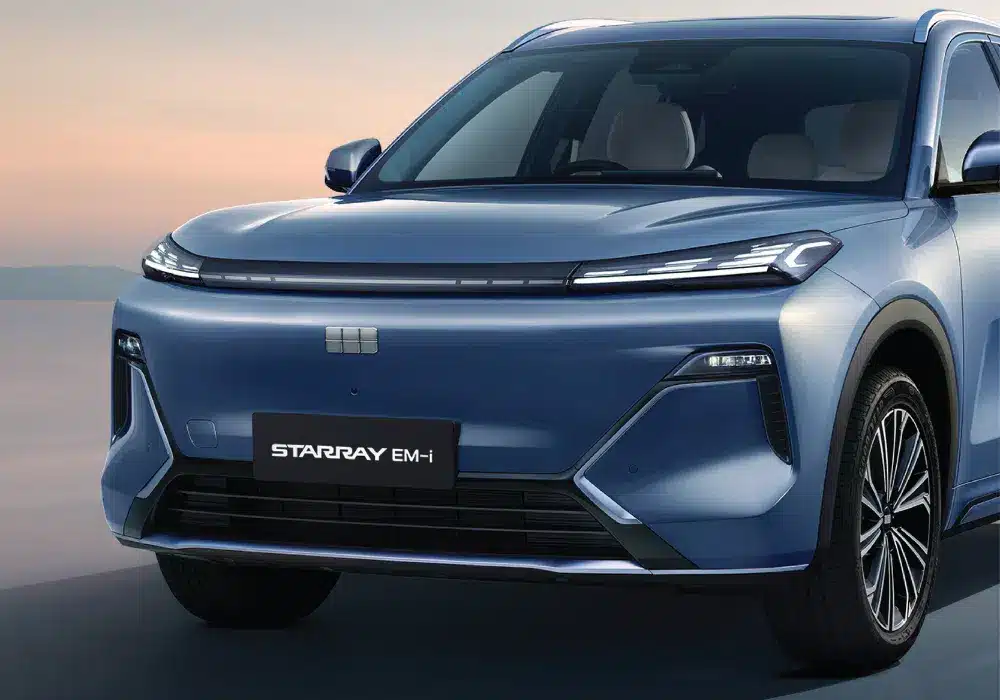
This is where the Starray EM-i becomes particularly relevant for Australia. Long distances, regional travel, and limited charging in some areas are still real considerations. A plug-in hybrid like this offers a practical bridge, allowing drivers to experience electric driving without fully committing.
It also retains many of the same lifestyle benefits, including vehicle-to-load functionality and modern in-car technology, making it just as versatile as its fully electric sibling.
Two pathways, one direction
Together, the EX5 and Starray EM-i showcase Geely’s broader strategy. Give drivers a choice between fully electric and hybrid, while delivering strong value and real-world usability.
For Australians, it means there is no longer a one-size-fits-all approach to electrification. Whether you are ready to go all-in on EVs, or prefer a gradual transition, Geely has positioned itself to meet you where you are.
The road ahead
Standing inside Geely’s facilities, one thing becomes clear. The global energy revolution is not something on the horizon. It is already happening.
From cutting-edge research centres to highly efficient production lines, the shift to electric mobility is well underway. The technology is improving rapidly, and the barriers to adoption are steadily falling. For Australia, the opportunity lies in keeping pace. As infrastructure grows and more brands enter the market, the transition to electric and hybrid vehicles will only accelerate.
Geely’s story is just one piece of a much larger puzzle. However, it offers a compelling glimpse into how vehicles are being reimagined, reengineered, and rebuilt for a cleaner future.
And if this is what today looks like, the drive ahead is shaping up to be one worth taking.
Watch Global Energy Revolution on 9NOW or stream on YouTube.