


The global shift towards sustainability has made “green” a powerful marketing buzzword. As Australian consumers increasingly seek ethical choices, energy providers are eager to showcase their environmental credentials.
However, this surge in green claims has led to a worrying rise in greenwashing in energy Australia, where companies mislead consumers about their actual environmental impact. This practice is harmful, as it erodes trust, slows down genuine climate action, and misdirects consumer spending. Learning to distinguish between authentic sustainability efforts and deceptive marketing is essential for every conscious energy user.
What is greenwashing in energy?
Greenwashing is the act of presenting a company, product, or service as being more environmentally friendly than it truly is. In the energy sector, this often involves vague language, misleading certifications, or exaggerating minor environmental benefits while ignoring significant environmental harm elsewhere in the business. The Australian Competition and Consumer Commission (ACCC) is actively targeting this deceptive conduct under the Australian Consumer Law (ACL), which prohibits false and misleading representations.
A classic example of greenwashing in energy involves companies that continue significant investment in fossil fuel expansion but use marketing campaigns that disproportionately focus on a small, new renewable energy project or a token carbon offsetting scheme. This creates a misleading impression of a genuine green transition.
Energy Matters works with trusted solar installers to ensure Australian households get real renewable solutions—not misleading claims.
Verifying real renewable energy certification
For Australian energy consumers, the best way to verify a provider’s commitment is to look for involvement in government-backed or independent renewable energy certification schemes. These programs provide accountability and transparency.
The power of GreenPower
GreenPower is a key voluntary government scheme in Australia that allows consumers to support the growth of the renewable energy sector. When an energy provider offers GreenPower, they are required to purchase Large-scale Generation Certificates (LGCs) from accredited renewable energy sources, in addition to the government’s mandatory Renewable Energy Target (RET). This means your purchase directly funds the creation of new renewable energy capacity.
- Look for a provider offering 100% GreenPower, as this is the strongest commitment to genuinely renewable electricity.
- Check the GreenPower website to confirm the provider’s accreditation and commitment levels.
Understanding Renewable Energy Certificates (RECs)
Renewable Energy Certificates, including LGCs and Small-scale Technology Certificates (STCs), are the mechanism used to track and measure renewable electricity generation. One LGC represents one megawatt-hour (MWh) of renewable electricity generated.
- Companies use the purchase and surrender of Large-Scale Generation Certificates (LGCs) to meet both mandatory targets (the RET) and voluntary claims (like GreenPower or internal ‘carbon neutral’ goals).
- The key distinction is whether the purchased certificates are additional to existing requirements. Claims based only on certificates mandated by the RET do not represent additional effort or investment.
How real renewable energy claims are verified
Recognised certification systems support authentic renewable energy claims in Australia. The most important system is renewable energy certification, which provides traceability and accountability.
Key indicators of real claims include:
- Verified carbon offsets
- Certified renewable energy certificates
- Transparent supply chain reporting
- Measurable emission reductions
Companies that provide documentation are far more credible than those relying on vague sustainability promises.
Delving into carbon-neutral and offset claims
Many energy companies, especially those still heavily invested in fossil fuels, lean on “carbon neutral” claims achieved through offsetting. This is an area ripe for greenwashing in energy in Australia.
The carbon offset trap
A provider claims “carbon neutral” energy when they purchase carbon credits—Australian Carbon Credit Units (ACCUs) or international credits—to supposedly cancel out their emissions. While better than nothing, offsets are often criticised for:
- Quality and additionality: The project’s offsets may have occurred anyway or may not genuinely remove the promised amount of carbon (e.g., due to flawed forestry projects).
- Distraction from reduction: Relying too heavily on offsets can distract the public and the company from the necessary, difficult work of reducing emissions at the source. The real long-term solution is decarbonisation, not merely offsetting.
- The Climate Active scheme: Be critical of certifications like Climate Active when applied to inherently high-polluting services (such as fossil fuel products), as government endorsement can give a false sense of sustainability without verifying the quality of the underlying offsets.
Signs of greenwashing
Understanding greenwashing energy practices in Australia helps you avoid misleading claims. Here are the most common warning signs:
1. Vague or unverifiable environmental claims
Statements like “100% green energy” or “eco-friendly power” without details are red flags. Authentic providers name specific certifications or programs that validate their claims.
2. No mention of renewable energy certification
Any company claiming strong environmental credentials should reference official programs like:
If these are missing, the claim may be inflated.
3. Overreliance on offsets
Offsets are helpful, but claiming carbon neutrality solely due to offsets—without reducing emissions—is a common greenwashing tactic.
4. Focus on branding instead of operational change
If a company advertises its sustainability while continuing to operate coal- or gas-heavy infrastructure, the claim is likely misleading.
5. Misleading imagery
Greenwashing often uses nature imagery, green-coloured logos, or symbols implying sustainability without proof.
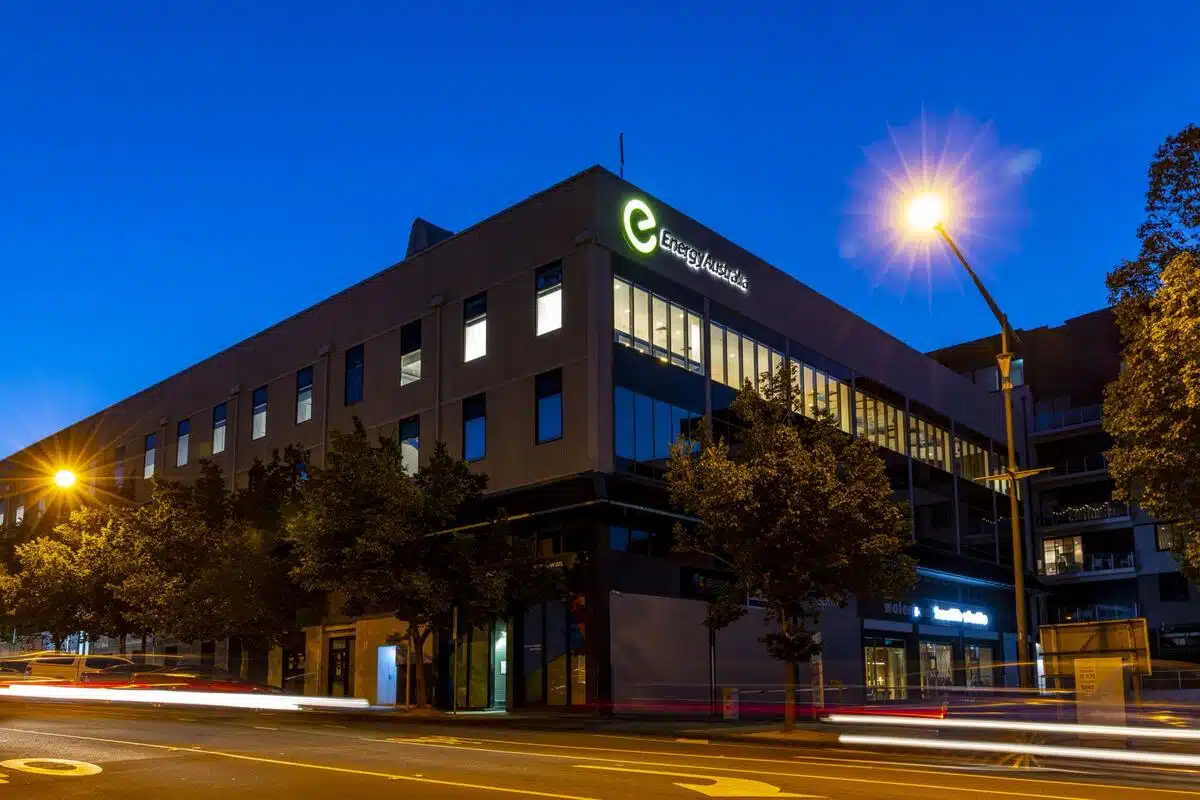
One good example of greenwashing is a landmark legal case in Australia involving Parents for Climate, a climate group, accusing Energy Australia of misleading consumers about its “Go Neutral” product, claiming that using carbon credits did not truly remove emissions. This case is important as it marks the first time an Australian energy retailer has faced legal action over alleged greenwashing, reflecting increased scrutiny of corporate climate claims in the country (source: ABC News).
Comparison of Real vs. Fake claims
| Feature | Genuine Green Claim | Greenwashing/Fake Claim |
| Evidence | Publicly available data, third-party audited reports, and GreenPower certification. | Vague, unsubstantiated claims, non-existent or internal-only reports. |
| Emissions strategy | Clear, public commitment to absolute emissions reduction and fossil fuel phase-out. | Heavy reliance on carbon offsets; focus on future “net-zero” without a concrete, short-term plan. |
| Certifications | Utilises government or reputable independent schemes (e.g., GreenPower, Clean Energy Council’s Best Practice Charter). | Creates proprietary, vague, or misleading “eco-labels” or mischaracterises the limited certification scope. |
| Transparency | Open about energy sourcing, ownership, and full lifecycle impact. | Hides important financial or operational information in the fine print (Sin of Hidden Trade-Off/Omission). |
Examples of genuine renewable energy practices in Australia
Some organisations take strong steps to avoid deceptive marketing and invest in real sustainability efforts.
Authentic renewable practices include:
- Installing rooftop solar backed by STCs
- Participating in GreenPower programs
- Using verified solar battery storage to reduce grid dependence
- Publishing transparent net-zero roadmaps
- Investing in genuine carbon reduction technologies
Sources/References: Australian Competition and Consumer Commission (ACCC) – Environmental and sustainability claims guide for business | Clean Energy Regulator (CER) – Information on Renewable Energy Certificates (LGCs and STCs) | GreenPower – National GreenPower Accreditation Program
How Energy Matters helps Australians avoid Greenwashing
Greenwashing in energy Australia is widespread, but with the right knowledge, you can protect yourself from misleading claims. Always look for renewable energy certification, transparent reporting, and verified renewable sources. To confidently choose authentic solar and renewable solutions, connect with Energy Matters today and take a real step toward a cleaner, more sustainable future.
Energy Matters has empowered more than 40,000 Australian households to switch to genuine renewable energy solutions. By connecting customers with accredited solar installers, Energy Matters ensures all solar power, battery storage, and EV charging solutions meet strict quality and certification standards.
Use Energy Matters’ easy-to-use solar power and solar battery storage calculator to determine the size of your solar system with storage! Our solar calculator will generate performance information and potential savings.
We can send this information to 3 of our pre-vetted and trusted local installers in your area to receive obligation-free solar quotes and take the first step towards true energy independence!

Powering up your EV with solar
If you’re thinking of buying an EV, adding an EV charger to your solar system is a smart way to “fuel” your car with clean, renewable energy.
Whether you’re comparing solar quotes, seeking approved renewable energy certification, or exploring battery storage options, Energy Matters helps you make decisions backed by real sustainability—not marketing spin.