

What Are the Main Ways Solar Solutions Support Industrial Operations?
- Solar panels generate electricity during daytime operating hours.
- Rooftop solar uses unused roof space without occupying production areas.
- Grid-tied systems can reduce dependence on utility power.
- Net metering can provide credits for excess solar electricity exported to the grid.
- Proper design helps match solar production with actual industrial energy demand.
Overview
- Industrial facilities often face high electricity demand because of machinery, lighting, ventilation, cooling, refrigeration, and daily production needs.
- Solar power systems can help reduce operating costs by generating electricity during the same hours many facilities consume the most power.
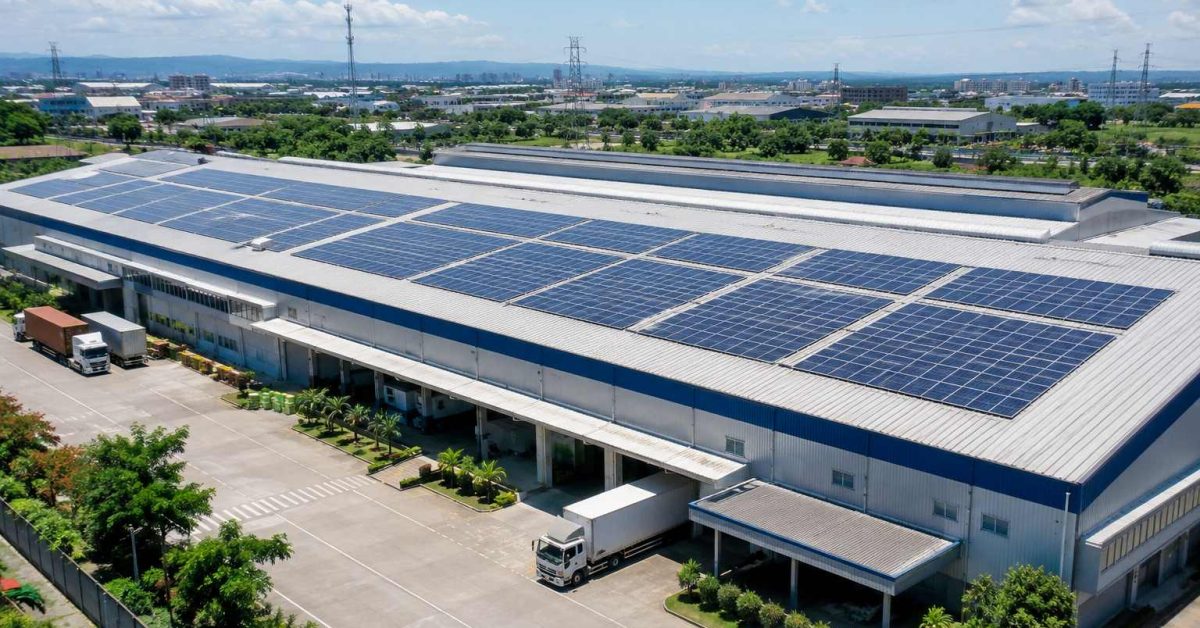
- Rooftop solar is practical for industrial properties because warehouses, factories, and plants often have wide roof areas that can support panel installation.
- For long-term performance, the solar power system must be planned around the facility’s load profile, roof condition, inverter capacity, electrical setup, and net metering eligibility.
Industrial operations depend on reliable energy. A factory cannot afford unnecessary downtime. A warehouse needs steady lighting, ventilation, and equipment use. A food processing plant or cold storage facility may need power for cooling, refrigeration, and continuous monitoring. When electricity costs rise, these daily requirements can put pressure on operating budgets.
This is why many industrial facility managers are looking at solar as a practical energy strategy. Solar power does not replace operational planning, preventive maintenance, or utility coordination, but it can help reduce the amount of electricity purchased from the grid during the day. For facilities with large rooftops and consistent daytime loads, the savings potential can be significant.
How solar solutions support operations in industrial facilities depends on proper design. The system should not be based on roof space alone. It should be based on how the facility uses electricity, when it consumes the most power, and what equipment needs to be supported during operating hours.
How Solar Helps Reduce Daytime Electricity Costs

Industrial facilities often use the most electricity during the day. Production lines, air compressors, conveyor systems, lighting, computers, cooling equipment, and HVAC systems may all run while the sun is available. This creates a strong match between solar generation and facility demand.
A grid-tied solar power system sends solar electricity directly into the facility’s electrical system. When the panels are producing power, the facility can use that electricity first before drawing more from the grid. This helps reduce grid dependence during operating hours and can lower monthly electricity costs.
For factories and warehouses, this is especially useful because operations are usually active when solar production is strongest. Instead of letting the roof sit unused, the facility can turn that space into a source of clean electricity.
Solaric’s commercial solar panel systems are designed for business properties that want to reduce operational costs and improve long-term energy control. For industrial buildings, this can support both financial and sustainability goals.
Why Rooftop Solar Works Well for Industrial Facilities
Many industrial properties have large, open rooftops. Warehouses, manufacturing plants, distribution centers, logistics hubs, and processing facilities often have wide roof areas that may be suitable for solar panel installation.
This is one reason rooftop solar works well for industrial operations. It allows the facility to generate electricity without using extra land, reducing parking space, or interfering with production floor activities. Since the panels are installed on the roof, daily movement of workers, machinery, and inventory can continue with minimal disruption.
However, roof suitability must be checked before installation. The roof must have enough usable space, proper structural support, limited shading, and safe access for installation and maintenance. Roof material, slope, orientation, and existing equipment such as vents or water tanks can also affect the final design.
Solaric’s rooftop solar guide discusses how homes and businesses with suitable roof space can benefit from solar power, including facilities such as factories, warehouses, office buildings, schools, and hospitals.
How Net Metering Supports Better Energy Value
Net metering can further improve the value of a grid-tied solar installation. Under the Philippine net metering framework, eligible electricity end-users may generate renewable energy for their own use and export unused electricity to the grid for credits.
For industrial facilities, this can be useful when solar production temporarily exceeds on-site demand. For example, a warehouse may have lower consumption during weekends, holidays, or certain operating shifts. If the system is properly approved and connected, excess solar electricity may be exported to the grid instead of going unused.
Meralco’s net metering process includes interconnection testing and the installation of a bi-directional meter, which measures both imported and exported electricity. This helps ensure that the facility’s solar PV system is safely connected to the grid.
Facilities planning a solar installation should not treat net metering as an afterthought. Application requirements, system capacity, technical documents, electrical diagrams, and utility coordination should be considered early in the project.
Solaric’s net metering guide provides helpful information on how the process works in the Philippines.
What Facility Managers Should Assess Before Installation

Industrial solar planning should begin with a clear review of electricity use. The first step is to study at least 12 months of electric bills to understand average consumption, peak demand, and seasonal changes. A facility that operates heavily during the day may benefit more from solar than one with mostly nighttime loads.
The next step is to assess the roof. The roof should be strong enough to support the panels, mounting system, and installation work. It should also have enough clear space to allow proper panel layout, safe walkways, and maintenance access.
After that, the solar provider should check the facility’s electrical setup. This includes the main distribution panel, transformer capacity, inverter location, cable routes, protection devices, and utility interconnection requirements. Industrial facilities may have more complex electrical systems than homes or small offices, so engineering accuracy is important.
A proper site assessment helps determine the right system size, equipment configuration, and installation plan.
Solaric’s industrial solar installation service can support facilities that need a solar power system designed around industrial requirements.
Key Equipment Considerations for Industrial Solar
Solar panels are only one part of the system. For industrial facilities, the full setup must work together to support safe and reliable performance.
Solar Panels
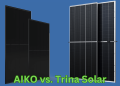
Panels should be selected based on output, durability, warranty, and suitability for Philippine weather conditions. Since industrial solar is a long-term investment, panel quality matters for consistent production over time.
Inverters
Inverters convert the direct current electricity produced by solar panels into alternating current electricity used by facility equipment. For larger industrial systems, inverter sizing and placement are important because they affect conversion efficiency, system stability, and maintenance access.
Mounting System
The mounting system secures the panels to the roof. It must be compatible with the roof type and strong enough for local weather conditions. Poor mounting can lead to safety issues, roof damage, or reduced performance.
Monitoring System
Monitoring helps facility managers track solar production and detect performance issues early. This is useful for industrial operations because lower-than-expected output can affect projected savings.
Why Solar Planning Should Start Early
For new industrial developments, solar planning should begin during the design stage. Roof orientation, structural support, cable pathways, inverter rooms, and electrical provisions can be planned before construction is completed. This makes future installation easier, cleaner, and more cost-effective.
For existing facilities, solar planning should begin before any major roof repair, electrical upgrade, or expansion. This allows the facility manager to align solar design with building improvements and long-term operating goals.
Early planning also helps avoid layout conflicts. Industrial rooftops may already contain vents, skylights, exhaust systems, walkways, and mechanical equipment. If solar is considered too late, usable roof space may be reduced.
Key Takeaway
How solar solutions support operations in industrial facilities comes down to energy savings, roof space utilization, grid dependence reduction, and long-term operational value. For factories, warehouses, logistics hubs, schools, and manufacturing plants, solar power can help offset daytime electricity use while supporting cleaner and more sustainable operations.
The best results come from proper planning. Facility managers should review electricity demand, roof condition, inverter capacity, electrical layout, and net metering requirements before installation. With the right design, solar can become a practical part of an industrial facility’s cost-control and sustainability strategy.
Ready to plan the right solar power system for your facility? Ask Solaric to assess your industrial energy requirements and request your free solar quote today.