

Making your home net zero in Australia might sound like a daunting task, conjuring images of extensive renovations and significant financial outlay. However, the good news is that achieving a more sustainable, energy-efficient home doesn’t always require a complete overhaul. Many impactful changes can be made without major renovations, helping you reduce your carbon footprint and save on energy bills. This post will explore five practical ways Australian homeowners can transition towards a net-zero home, focusing on low-cost net-zero tips and achievable upgrades.
The journey to a net-zero home in Australia is about reducing energy consumption and generating what you need. Even without major construction, you can significantly impact your home’s energy performance. By strategically implementing a few key changes, you can move closer to net zero, enjoy a more comfortable home, and contribute to a greener future. Let’s dive into actionable steps you can take today.
What does a net-zero home mean in Australia?
A net-zero home produces as much energy as it consumes in a year. This is usually achieved through solar generation, energy-efficient appliances, and smart usage habits.
According to CSIRO, Australian households can now reach net zero using available off-the-shelf technology. The shift is no longer theoretical—it is practical, affordable, and scalable for most homeowners.
Achieving net zero at home: Simple steps for Australian homeowners
1. Install solar panels for immediate net zero gains
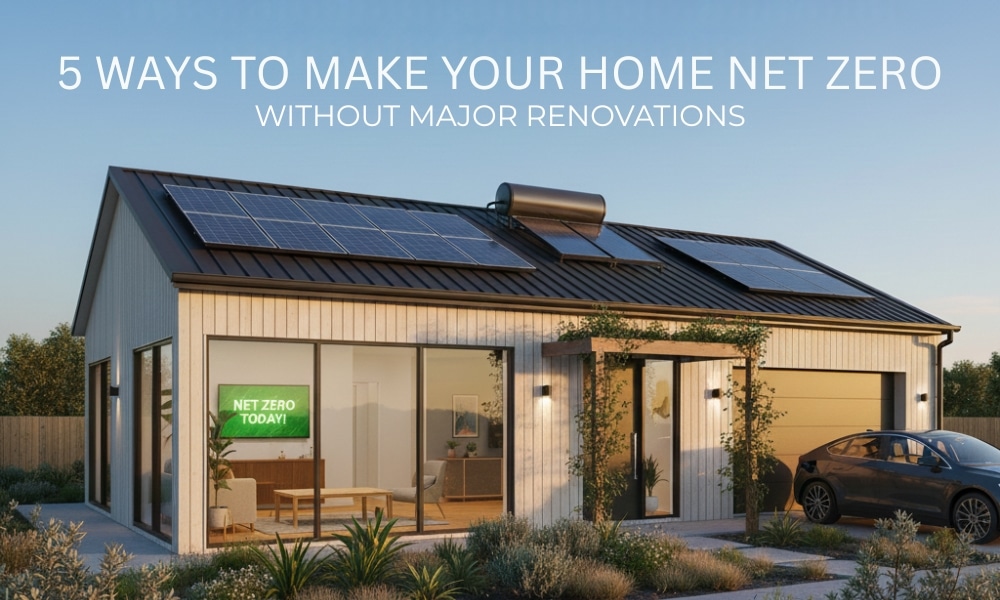
Rooftop solar remains the fastest path toward a net-zero home in Australia. Modern solar systems are lighter, more efficient, and suitable for most roof types.
Solar reduces grid power, such as:
- Daytime electricity use
- Peak usage charges
- Carbon-heavy energy reliance
Check our page for our recommended solar panel products.
2. Add battery storage without structural changes
A solar battery storage system allows you to store unused solar energy for nighttime use. This increases energy independence without requiring you to rework your home layout.
Battery benefits include:
- Greater self-consumption
- Backup during outages
- Faster net-zero achievement
Use Energy Matters’ easy-to-use solar power and battery storage calculator to determine the size of your solar system with storage! Our solar calculator will generate performance information and potential savings.
We can send this information to 3 of our pre-vetted and trusted local installers in your area to receive obligation-free solar quotes and take the first step towards true energy independence!

3. Replace high-energy appliances with efficient alternatives
Upgrading energy-efficient appliances is one of the most effective, low-cost net-zero tips. Old systems quietly drain power even when not in use.
When it’s time to replace an appliance, always opt for models with a high Energy Star rating. Look for appliances like refrigerators, washing machines, and dishwashers that boast multiple stars, indicating superior energy efficiency. While the initial purchase price might be slightly higher, the long-term energy savings will more than compensate, making it a smart investment for your net-zero home.
Focus first on:
4. Improve insulation and seal air leaks
Without insulation, even the best solar system works harder than it should. Draught sealing and roof insulation offer significant energy savings with minimal effort.
Quick improvements include:
- Window gap sealing
- Roof batts
- Door draught stoppers
According to the Australian Government, insulation upgrades can reduce heating and cooling energy by over 45%.
5. Electrify your home and ditch gas
Gas appliances block the transition to a true net-zero home in Australia. Replacing them with electric alternatives completes the sustainability loop.
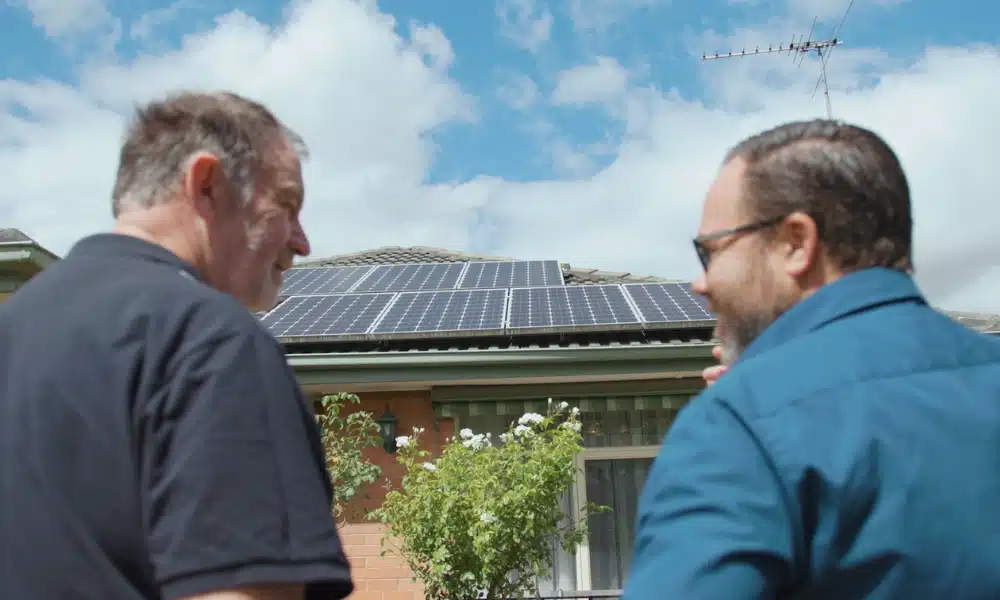
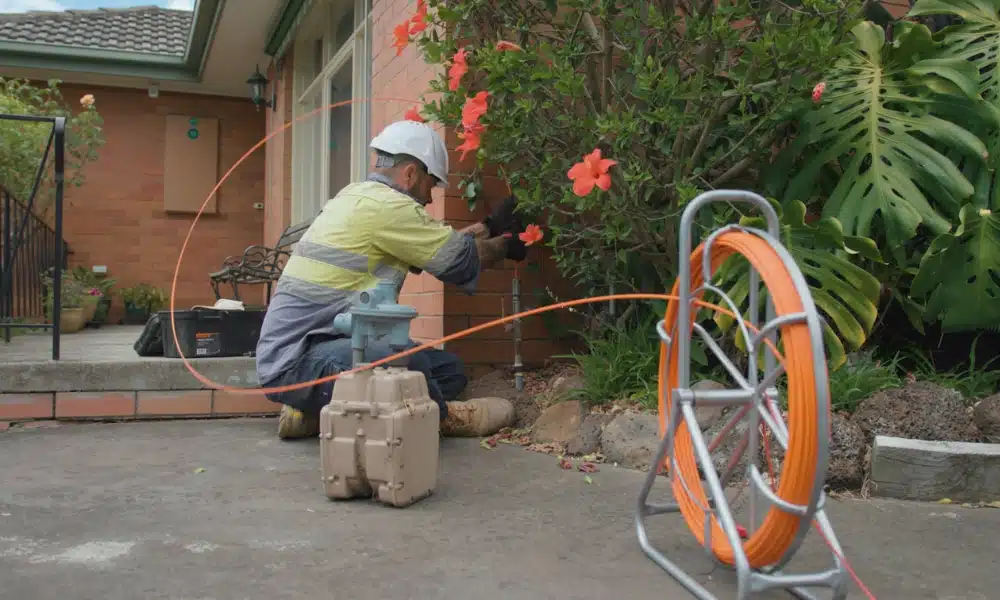
In Energy Matters Episode 4, the true story of Bruce, a long-time Melbourne resident, focuses on future-proofing his family’s home and moving away from gas. His journey towards electrification was impressive, not just for the outcome but also for how straightforward it was with the right support. Let’s look at how they made it happen and see what steps you can take to upgrade your own home.
Summary table: Key ways to reach net zero without renovating
| Strategy | Cost Level | Impact | Renovation Required |
| Solar panels | Medium | Very High | No |
| Battery storage | Medium | High | No |
| Appliance upgrades | Low–Medium | High | No |
| Insulation upgrades | Low | Medium | No |
| Gas-to-electric switch | Medium | Very High | No |
Why net-zero homes are growing rapidly in Australia
Energy prices keep climbing, while solar costs keep dropping. Both environmental responsibility and long-term savings now drive households.
With support from the Clean Energy Regulator, solar rebates and incentives remain accessible. This makes the transition even more achievable without major financial strain.
Common mistakes that slow net-zero progress
Some households install solar but leave gas running. Others underestimate the impact of inefficient appliances.
Avoid these errors:
- Keeping the gas hot water
- Oversizing solar beyond usage
- Ignoring insulation completely
A professional energy audit eliminates these pitfalls in one assessment.
Future-proofing your net-zero home
Electric vehicles, smart meters, and virtual power plants are shaping the future of Australian energy. Net-zero homes will soon become the market standard.
Homes that generate their own clean energy already attract more buyer interest. Your investment now protects both your budget and the planet.
Building a net-zero home, the Australian lifestyle no longer demands major renovations or huge budgets. With strategic upgrades, every household can lower emissions, cut power bills, and future-proof their energy consumption. These affordable net-zero tips are proven, practical, and accessible today. Now is the time to act—start your net-zero journey today and switch to smarter energy solutions with Energy Matters!