

Are you tired of opening your electricity statement only to find prices have soared again? You are not alone, as many Australian households are currently seeking daily habits to reduce their energy bills.
The good news is that daily habits for reducing energy bills in Australia can cut electricity expenses by up to 30%. Small actions done every day can make a big difference to your household energy use. This guide explains practical habits that help reduce electricity costs and improve home energy efficiency in Australia.
Watch the Global Energy Revolution on Channel Nine with Energy Matters
Catch the Global Energy Revolution on Channel Nine, proudly presented by Energy Matters. Join our CEO, Roshan Ramnarain and co-host James Treble on Channel NINE (and streaming on 9Now) as we explore the disruptive technologies and visionary pioneers reshaping our world.
This inspiring TV series highlights the latest in solar energy, battery storage, electric vehicles, and smart energy solutions, transforming homes and businesses across Australia. Each episode features insights from solar experts, real-world installations, and practical advice to help homeowners and businesses lower energy costs and reduce their carbon footprint.
Watch the show. Join the revolution. Power your future with Energy Matters.
Top daily habits to reduce energy bills in Australia
Below are the most effective daily habits homeowners and renters in Australia can start today to reduce energy bills.
1. Turn off appliances instead of leaving them on standby
Many appliances continue to draw electricity even when they are not in use. This is known as standby power. Devices such as televisions, gaming consoles, microwaves, and chargers frequently consume power if left plugged in. Standby electricity can make up 5–10% of household electricity consumption in Australia. Simple habit changes include:
- Turn off devices at the power point
- Unplug chargers when not in use
- Use smart power boards to cut standby power
2. Use your air conditioner more efficiently
Cooling and heating are the primary causes of household electricity use. Adjusting your air conditioner habits can notably cut your power bills. These daily tips to save energy in Australia could reduce air-conditioning costs by up to 40%. Try these energy-smart habits:
- Set the cooling to 24–26°C in summer
- Set heating to 18–20°C in winter
- Use ceiling fans to improve airflow
- Close doors and windows when the system is on
- Clean air conditioner filters regularly
3. Switch off lights when leaving a room
Lighting is a small but consistent contributor to energy consumption. Make a habit of turning off the lights when you leave a room, even if it’s only for a few minutes. LED lighting can use up to 80% less electricity compared to traditional bulbs. Additional lighting tips include:
- Replace old bulbs with LED lights
- Use natural sunlight during the day
- Install motion sensors in hallways or outdoor areas
4. Wash clothes with cold water
Laundry can use a lot of electricity, especially when hot water is involved. Most modern detergents work well in cold water. Switching to cold washes can cut your washing machine’s energy use by up to 90% per cycle. Try these tips:
- Wash clothes in cold water
- Only run full loads
- Use eco washing modes
5. Use appliances during off-peak hours
Many Australian electricity providers offer time-of-use tariffs. This means electricity costs less during off-peak periods. Smart energy habits include:
- Run dishwashers at night
- Charge devices after peak hours
- Use washing machines in off-peak periods
Understanding peak and off-peak times
If you are on a “Time of Use” tariff, when you use energy is just as important as how much you use. Learning the peak periods in your state is one of the smartest daily habits that can reduce your energy bills. In most parts of Australia, peak times occur between 3:00 PM and 9:00 PM.
During these hours, electricity rates can be double or even triple the off-peak rate. By shifting high-energy tasks like dishwashing or laundry to the morning or late at night, you can see an immediate drop in your costs.
- Check your bill: Look for “Time of Use” to see if your rates vary.
- Use timers: Set your dishwasher or washing machine to start at 10:00 PM.
- Solar owners: If you have solar panels, run your heaviest appliances at midday.
6. Reduce hot water usage
Hot water systems are among the biggest energy consumers in Australian homes. Small daily adjustments can lower hot water use. Cutting back on hot water can save hundreds of dollars each year. Energy-saving habits include:
- Take shorter showers
- Fix leaking taps
- Wash clothes in cold water
- Install water-efficient shower heads
7. Cook smarter in the kitchen
Cooking appliances use a lot of electricity, but smart habits can cut down energy consumption. Consider these tips:
- Use microwave ovens for small meals
- Keep lids on pots when cooking
- Use air fryers instead of large ovens
- Turn off ovens a few minutes early and allow residual heat to finish cooking
- Cook multiple meals at once to reduce appliance use
- Choose induction cooktops, which are much more energy-efficient than traditional electric or gas stoves.
8. Improve refrigerator efficiency
Your refrigerator runs 24 hours a day, making it one of the largest energy consumers. Using your fridge efficiently can help cut electricity bills throughout the year. Daily habits to minimise its power use include:
- Keep the fridge between 3–5°C
- Keep the freezer at –18°C
- Avoid leaving doors open
- Do not overload the fridge
- Defrost regularly
Bonus tip: Install solar panels for bigger savings
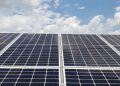
Daily habits help cut electricity costs, but combining them with solar energy yields even greater savings. Thousands of Australian households now blend energy-saving routines with solar systems to maximise savings. Solar power enables homes to produce their own electricity, reducing dependence on the grid. Benefits of solar energy include:
- Lower electricity bills
- Protection from rising energy prices
- Increased property value
- Reduced carbon footprint: Use Energy Matters’ carbon footprint calculator to estimate your household and business’s direct emissions.
Why small changes matter
You might think that turning off a single light won’t make a difference. However, the cumulative effect of these daily habits on your energy bills is significant. When you combine better thermostat management with smarter appliance use, the 30% reduction goal becomes very achievable.
Moreover, reducing your energy consumption is great for the environment. Australia is transitioning toward a greener future, and using less power means less pressure on our grid and fewer carbon emissions.
Start building energy-saving habits today
Adopting daily habits that can reduce your energy bills is a powerful way to manage your household budget. From setting your thermostat correctly to avoiding peak-hour usage, these steps are easy to implement. Start with one or two changes this week and watch your savings grow. Small, consistent actions lead to long-term financial freedom and a more sustainable lifestyle for all Australians.
Ready to maximise your savings? Join the solar revolution with Energy Matters and lock in lower rates for years to come. Visit Energy Matters today to explore solar solutions and start your journey toward lower energy bills and a more energy-efficient home.