

Imagine your car doing more than just sitting in the driveway. With bidirectional charging, Australia is entering a new era where your electric vehicle (EV) acts as a high-capacity “battery on wheels.” This technology allows electricity to flow both ways—into your car for driving and back into your home for power.
As of early 2026, the energy landscape in Australia is shifting rapidly. Homeowners are no longer just consumers; they are becoming active participants in the energy grid. By using bidirectional charging, Australian residents can gain unprecedented energy independence and security.
Powering up your EV with solar
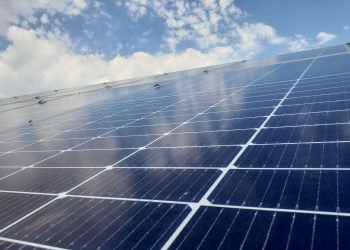
If you’re thinking of buying an EV, adding an EV charger to your solar system is a smart way to “fuel” your car with clean, renewable energy.
What is bidirectional charging?
Standard EV chargers are “unidirectional,” meaning they only move power from the grid to the car. Bidirectional charging flips the script. It uses a specialised inverter to convert the Direct Current (DC) from your car’s battery back into Alternating Current (AC) for household use.
There are three main types of this technology:
- Vehicle-to-Home (V2H): Your car powers your house directly during peak times or outages.
- Vehicle-to-Grid (V2G): Your car exports power back to the electricity network, often earning you credits or payments.
- Vehicle-to-Load (V2L): Your car powers individual devices, such as a fridge or power tools, via a simple plug.
How bidirectional charging works during a blackout
When the grid goes down, a compatible EV can supply power to essential household circuits. A bidirectional charger detects the outage and safely isolates the home from the grid. Energy then flows from the EV battery into the home.
Key components required
- A bidirectional EV charger
- A compatible electric vehicle
- A home energy management system
- Proper electrical switchgear and safety controls
Without these components, bidirectional charging will not operate safely.
Can an EV power your home during a blackout?
The short answer is: Yes. During a blackout, a V2H-enabled EV can keep your essential appliances running for days. While a standard home battery typically stores 10-13 kWh, an average EV battery holds 50-100 kWh.
This means a fully charged EV could potentially power a standard Australian home for three to five days. To make this work, you need a certified bidirectional charger and a “backup” or “island” gateway. This gateway safely disconnects your home from the main grid during a blackout, preventing power from being sent back into the lines while technicians work.
Contact Energy Matters today for FREE solar quotes on EV chargers and solar systems!
Key benefits of bidirectional charging in Australia
The advantages of bidirectional charging in Australia go far beyond just emergency backup. Integrating your vehicle with your home energy system offers several practical wins.
- Lower energy bills: Charge your car during the day using free rooftop solar or cheap off-peak rates. Use that energy to power your home during peak evening hours.
- Grid stability: V2G technology helps the Australian grid manage demand spikes, reducing the risk of wide-scale blackouts.
- Maximised solar use: Instead of sending excess solar to the grid for a small feed-in tariff, store it in your car for later personal use.
- VPPs: Some retailers now allow you to join a Virtual Power Plant (VPP), where your EV helps support the grid in exchange for significant financial rewards.
Comparing V2H, V2G, and V2L
| Feature | Vehicle-to-Home (V2H) | Vehicle-to-Grid (V2G) | Vehicle-to-Load (V2L) |
| Primary Use | Backup power & bill reduction | Grid support & earning money | Powering tools or appliances |
| Equipment Needed | Bidirectional charger + Gateway | Certified V2G charger | Simple adapter/internal plug |
| Grid Interaction | Powers house only | Exports to the network | No grid interaction |
| Complexity | High (requires an electrician) | High (requires utility approval) | Very low (plug & play) |
Bidirectional charging vs Home batteries
Many Australians compare EV bidirectional charging with solar batteries. Both offer backup power, but they serve different roles. Bidirectional charging in Australia works best when paired with rooftop solar.
Key differences
- EV batteries are much larger than home batteries
- Home batteries are always connected
- EVs may not be home during outages
Use Energy Matters’ easy-to-use solar power and battery storage calculator to determine the size of your solar system with storage! Our solar calculator will generate performance information and potential savings.
We can send this information to 3 of our pre-vetted and trusted local installers in your area to receive obligation-free solar quotes and take the first step towards true energy independence!

Which EVs support bidirectional charging in 2026?
Not every electric car is ready for V2H or V2G yet. In Australia, compatibility depends on the car’s hardware and the manufacturer’s software updates.
- Nissan LEAF: The pioneer of bidirectional tech using the CHAdeMO plug.
- Mitsubishi Outlander & Eclipse Cross PHEV: Also use CHAdeMO for V2G/V2H capabilities.
- Ford F-150 Lightning: Famous for its “Intelligent Backup Power” feature.
Challenges to consider
While the tech is exciting, there are a few hurdles to keep in mind:
- Battery warranty: Some manufacturers are still updating their terms regarding battery degradation from V2H/V2G use. Always check with your dealer.
- Hardware compatibility: Ensure your charger and car “speak the same language.” Most new Aussie EVs use the CCS2 plug.
- Efficiency loss: Small amounts of energy are lost during AC-to-DC-to-AC conversion.
The era of bidirectional charging in Australia is no longer a distant dream. It is a practical solution for homeowners seeking energy security and lower costs. By turning your EV into a home battery, you can keep the lights on during a blackout and take control of your energy future. As more models and chargers hit the market in 2026, there has never been a better time to switch.
Ready to take control of your power? Join the renewable energy revolution with Energy Matters! Get solar expert guidance and tailored advice from Australia’s clean energy specialists.