


As systems with module-level power electronics (MLPE) have become more common across commercial and industrial (C&I) solar projects, many installers have started to view them as interchangeable. Most systems with MLPE solutions promise similar benefit, from rapid shutdown compliance to improved system visibility.
But that assumption overlooks a critical distinction: the industry isn’t just comparing one type of MLPE system to another. In many cases, it’s comparing fundamentally different system architectures — some fully integrated, others assembled from components that were never designed to work together.
That difference matters. Because while two systems may both be using “MLPE,” how those components communicate, respond to faults and perform over time can vary significantly in real-world conditions.
The risk of missing features when comparing systems
In practice, many system comparisons group together very different approaches:
- Fully integrated platforms, where inverters and power optimizers are designed and tested as a single system
- “Mix-and-match” configurations, where MLPE and inverters from different suppliers and different technology are paired
- Traditional string inverter systems with no module-level electronics at all
At a glance, these may appear comparable. But in reality, they operate very differently.
One of the key challenges with mix-and-match configurations is that components are developed independently and never meant to work together. That means communication protocols, control logic and edge-case behaviors may not be fully aligned. While these systems can meet baseline requirements — like rapid shutdown — they may not be designed to handle every real-world scenario seamlessly.
For installers, this is where the risk lies: treating all systems with MLPE as equivalent can mask meaningful differences in how they behave in the field.
Why system architecture matters

Architecture is much more than a design choice because it directly impacts reliability. In systems built from components supplied by different manufacturers, communication between devices can be less predictable. Control signals that control system behavior — especially during abnormal conditions — must travel alongside electrical current, often in environments where interference can occur.
If those signals are disrupted, delayed or misinterpreted, system responses may not happen as intended. This is particularly important during events like fault detection or shutdown sequences, where timing and accuracy are critical.
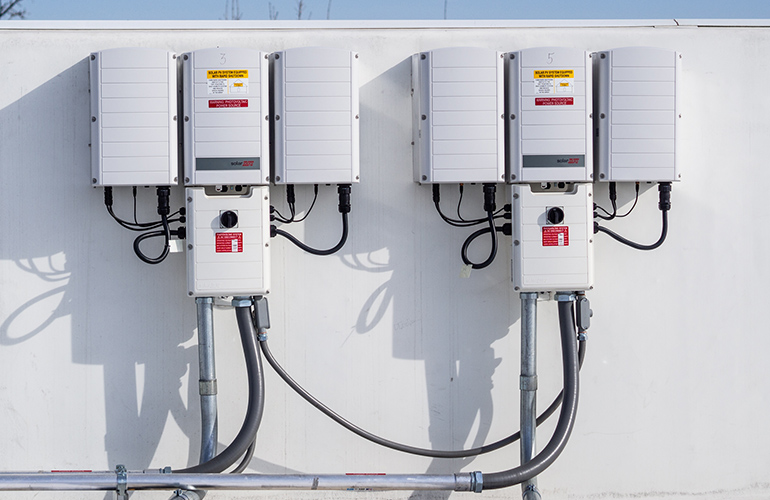
By contrast, fully integrated systems like SolarEdge are engineered as a unified platform. Communication between components is defined, tested, and validated across a wide range of operating conditions, including rare “corner cases” that may only occur under specific circumstances.
For installers, the takeaway is straightforward: how a system is built determines how reliably it performs.
Safety isn’t just about compliance
Rapid shutdown has become a baseline requirement across much of the industry. But compliance alone doesn’t guarantee consistent safety performance.
Installers should be asking deeper questions: What happens if communication between components is interrupted? How does the system behave under abnormal or fault conditions? Are shutdown signals reliably executed every time?
In loosely integrated systems, communication challenges such as electrical noise or signal interference can create scenarios where commands are not executed as expected. Signals can effectively get “lost,” leading to inconsistent system behavior.
More tightly integrated systems can mitigate these risks by controlling how devices communicate. For example, pairing mechanisms and unique communication pathways can help ensure that components only respond to intended signals, reducing the likelihood of miscommunication.
The result is not just compliance, but greater confidence in how the system will behave when it matters most.
Looking beyond rapid shutdown: The value of true optimization
Another common misconception is that all systems with MLPE deliver the same performance benefits. In reality, some are designed primarily for rapid shutdown, while others provide full module-level optimization.
Basic systems with MLPE devices may enable rapid shutdown but offer limited impact on system performance. They don’t actively manage power at the module level, which means potential energy gains may be missed.
More advanced systems that have integrated inverters and power optimizers will optimize energy production at each module, increasing energy harvesting; reduce mismatch losses across modules and strings; enable more flexible system design and lower BOS costs through design efficiencies
For system owners managing large portfolios, these differences can scale quickly. Even small gains in efficiency or energy production can translate into significant financial impact over time.
The role of monitoring and data analytics
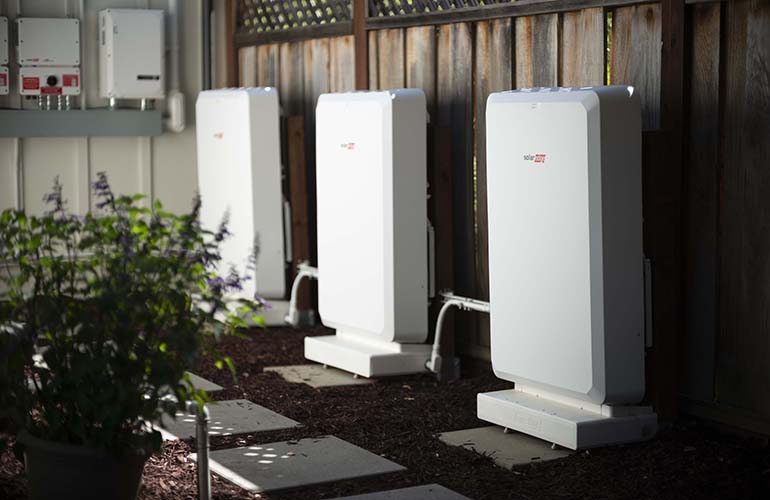 Module-level visibility varies significantly between systems with MLPE and has real operational consequences. Developers and asset owners should ask how quickly the system detects and flags underperforming modules, whether faults can be diagnosed remotely and how actionable the data actually is.
For large C&I portfolios, these differences add up. Faster fault detection reduces energy losses, and remote diagnostics can lower O&M costs by enabling targeted interventions rather than broad site visits.
When evaluating platforms, monitoring capability should be treated as a core feature, not an add-on, since the quality of data directly affects how well a system can be managed over its operational lifetime.
The cost of missing the details
In today’s market, cost pressures are real and often front-of-mind during system selection. But focusing only on upfront price can overlook long-term implications.
Asset owners and developers should consider total lifetime energy production, system reliability and maintenance needs, ease of troubleshooting and service and risk mitigation and safety performance.
A system that appears equivalent at first glance may deliver very different results over 20 or 25 years of operation. In some cases, overlooking architectural differences can mean leaving energy and revenue on the table, especially at scale.
Cutting through the noise
Like many fast-growing sectors, the solar industry sees its share of conflicting information, from reports and social media discussions to competitive claims. While these conversations can raise valid questions, they can also oversimplify complex technologies. Not all sources are grounded in real-world deployment or long-term system performance.
Experienced developers and asset owners tend to take a more measured approach. They look at proven field data, system design and long-term outcomes rather than relying solely on high-level comparisons.
For installers, staying focused on fundamentals like architecture, testing and real-world performance can help cut through the noise.
A practical framework for installers
When evaluating systems with MLPE, it helps to approach the decision systematically:
- Understand the architecture. Is the system fully integrated or built from components that were not designed together?
- Evaluate communication reliability. How does the system ensure signals are transmitted and received accurately?
- Look beyond compliance. What happens in edge cases or failure scenarios?
- Assess performance capabilities. Is the system delivering true optimization, or just meeting minimum requirements?
- Consider long-term value. How will the system perform over its lifetime, not just on day one? What other benefits does the system bring for capex, opex and energy production?
MLPE technology has brought meaningful advancements to solar design and safety, but not all implementations deliver the same results. The most important distinction isn’t simply whether a system includes MLPE. It’s how that system is architected, how its components interact, and how it performs under real-world conditions.
For installers and system owners, recognizing that difference, and evaluating systems accordingly, can lead to better outcomes, stronger performance and more reliable projects over the long term.
 Kleber Facchini has more than 15 years’ experience in electrical engineering, applications and product management in the renewables and utility equipment industry. As director of CC&I Products and Applications for SolarEdge North America, he is responsible for conceiving, defining, and launching all related products across the continent. He also oversees the applications engineering team, which works directly with SolarEdge’s installer partners.