

The housing market in Australia is entering a new phase, and it has little to do with floor plans or finishes. A new development in Western Australia (WA) will hand buyers a home already equipped with rooftop solar, a battery, and automatic participation in a virtual power plant (VPP)—all built in as standard, not added as upgrades. It’s a small project in scale, but it marks a significant move: sustainability features that once represented a premium, eco-focused build are beginning to look like baseline expectations for modern buyers.
As electricity prices rise and electrification accelerates, homes that deliver lower running costs and built-in resilience may soon become the benchmark for property value.
Moving from premium upgrades to standard features
A development that signals a shift in what new homes include
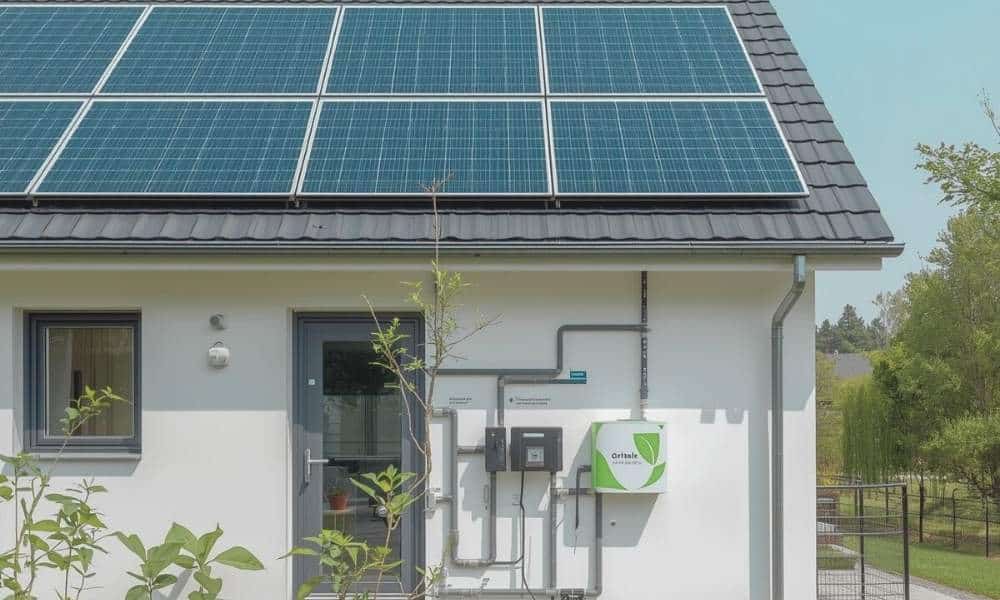
The catalyst for this shift is a new Stockland project in Beaconsfield, Western Australia, where every home will come pre-fitted with rooftop solar, a household battery and automatic participation in a VPP. The systems aren’t optional add-ons or upgrade packages, but they are embedded as standard infrastructure across the entire development. Each property is delivered with a 7.48 kW solar array, a 10.1 kWh battery, a 5 kW inverter, electric hot water, double glazing, cool roofing and wiring ready for future Electric Vehicle (EV) charging.
It’s a relatively small development, but the model behind it is significant. For years, solar, batteries, and energy-efficient design elements have been marketed as premium or eco-conscious extras. Here, they are treated as baseline inclusions—integral to how the homes are designed, powered, and marketed. This marks a broader change in the new-build market: sustainability features are no longer framed as lifestyle choices, but as core components of a modern home.
Developers are increasingly aware that buyers are not just searching for aesthetics or location. They’re weighing long-term operating costs, grid independence, and resilience against summer heatwaves and rising tariffs. By building electrification into the foundation of the home, developers like Stockland aren’t just meeting environmental targets, but they’re responding to a shift in buyer expectations. As more projects adopt this model, the idea of moving into a new home that doesn’t include solar, storage or EV-ready wiring may start to feel outdated.
What today’s buyers are actually looking for
The change happening toward electrified homes reflects a change in what buyers now consider essential when assessing a new property. Rising electricity prices, warmer summers, and the growing adoption of EVs are pushing households to think about long-term operating costs before they even walk through a display home. Features that reduce energy bills or increase resilience during peak-demand periods are no longer “nice to have” for many buyers. They are now part of the decision-making process.
This is evident in the way buyers evaluate a home’s running efficiency. Solar is increasingly seen as standard. Battery storage is moving from early-adopter territory into mainstream demand, particularly among families managing high evening loads. And EV-ready territory wiring is quickly becoming a practical necessity as more Australians transition away from petrol vehicles. These expectations are emerging even among buyers who are not self-described sustainability advocates. They are simply responding to shifting economics.
Homes that offer predictable running costs, backup capability during outages, and the potential to earn credits through VPP participation align with this new buyer mindset. The Beaconsfield development taps directly into those priorities. Rather than asking buyers to retrofit or upgrade, it presents a home that already solves the problems people increasingly care about, and that may be where the market is heading more broadly.
How built-in electrification shapes long-term value
Energy performance is becoming quite a differentiator in the property market. Homes that come with solar, storage, and efficient design already built in eliminate the upfront costs that buyers would otherwise need to absorb after settlement, which are costs that can easily reach $15,000 to $25,000 for a standard retrofit. That alone makes these properties more attractive to buyers compared to similar listings.
There is also growing evidence that homes with strong energy features hold their appeal better over time. Lower and more predictable running costs are a tangible selling point in a market where energy bills continue to rise. A household battery paired with VPP access adds an extra layer of value, offering resilience during outages and the potential to generate credits through exports. As these features become more common in new developments, properties without them may start to feel incomplete rather than simply older.
Crucially, the benefits extend beyond cost savings. Buyers increasingly want homes that are “future ready” — wired for EV charging, designed to stay cooler in extreme heat and built to reduce their reliance on the grid. These attributes influence not just day-one appeal but long-term marketability. A property that avoids the need for major electrification upgrades is more likely to retain relevance in a housing market that is changing fast toward all-electric living.
Why developers are changing their strategy
Developers aren’t adding solar, batteries and EV readiness out of novelty. Instead, they’re responding to a convergence of market signals that make electrified homes both commercially attractive and strategically necessary. High wholesale electricity prices, frequent summer peak-demand warnings, and a clear consumer preference for lower running costs are changing what it measures to deliver competitive new-build products. For developers, embedding these features upfront reduces friction in the buyer journey and positions their projects as modern rather than merely compliant.
Policy direction is also playing a role. State and federal incentives for battery adoption, energy-efficient building standards and all-electric homes are steadily tightening expectations around new housing. Developers who move early can market their projects as future-proofed rather than scrambling to meet shifting regulations later. At the same time, electrified estates allow builders to differentiate themselves in an increasingly crowded market, particularly in regions where land releases are frequent, and buyers are comparison shopping.
There’s also a practicality to the shift. Retrofitting solar, storage, and wiring into established homes can be costly and disruptive, whereas integrating them during construction is simpler, cheaper, and more appealing to buyers. By bundling electrification as standard, developers tap into a growing buyer desire for ready-made efficiency without adding complexity or decision fatigue.
The growing divide between new and existing homes
Electrified new builds are starting to set a standard that many older homes can’t match. While new developments arrive with solar, batteries, heat pumps, and EV-ready wiring built in, a large portion of Australia’s existing housing stock still relies on gas systems, older switchboards and limited electrical capacity. For buyers comparing options, that gap translates directly into future upgrade costs.
Retrofitting older homes is often more complicated and expensive than expected. Converting from gas to electric, upgrading switchboards, adding EV charging or installing a battery can quickly turn into a multi-stage project. Many homeowners discover they need to tackle issues such as wiring capacity, meter box upgrades or ageing hot-water systems before they can electrify at all.
From a buyer’s perspective, the difference between a fully electric, ready-to-run new build and an older home needing $15,000-$25,000 in upgrades is increasingly clear. Early market trends already show that homes with modern energy features tend to attract faster interest, largely because:
- Running costs are lower and more predictable
- Air conditioning performance is stronger in extreme heat
- Wiring is ready for EVs and future appliances
- Solar and battery systems reduce exposure to peak prices
As more developments take the Beaconsfield approach, these expectations will likely become the benchmark rather than the exception. Older homes that lag behind may find themselves compared not just on location and layout, but on how much work and cost are needed to bring them up to modern electrification standards.
A shift that could redefine the housing market
The Beaconsfield development may be small, but it hints at a broader direction for Australia’s housing market. As electrification becomes a standard inclusion rather than an upgrade, the expectations placed on new homes are likely to rise. Buyers are beginning to view features like solar, batteries, and EV readiness as basic components of a modern build—the same way insulation and efficient glazing became non-negotiable over the past two decades.
If this trend continues, electrified communities could become a defining feature of suburban growth, lifting the baseline for energy performance across the country. Developers who adopt this model early will shape buyer expectations. Those who do not may find their projects struggling to compete. And as new builds raise the bar, older homes will face increasing pressure to catch up. The homes that offer lower running costs, built-in resilience and future-ready infrastructure will hold their value in a market that is moving quickly toward an all-electric future.
A line in the sand for Australian property
The Beaconsfield development may be small in scale, but it marks an early line in the sand for where the housing market is heading. When solar, batteries, VPP participation and EV-ready wiring arrive bundled into the base price of a new home, they shift from sustainability extras to core features of modern living. That change will influence how developers design future projects, how buyers assess value and how older properties are judged against new builds.
If more estates adopt this model, baseline expectations for running costs, resilience and electrification will rise across the country. Homes that deliver lower bills, built-in flexibility during peak demand and future-ready infrastructure will hold their value as the market moves rapidly toward an all-electric future. For developers, the message is clear: the standards set today may determine which projects remain competitive tomorrow. For buyers, it signals a turning point — one where energy performance becomes as integral to a home as location or layout.
Energy Matters has been in the solar industry since 2005 and has helped over 40,000 Australian households in their journey to energy independence.
Complete our quick Solar Quote Quiz to receive up to 3 FREE solar quotes from trusted local installers – it’ll only take you a few minutes and is completely obligation-free.