

Homeowners don’t usually set the pace for Australia’s energy system… until now. A new battery rebate has triggered a surge so strong that households are adding storage faster than large energy companies can build it. In just a few months, everyday families have created one of the biggest energy shifts in years, turning solar from a daytime benefit into round-the-clock control. It’s the kind of momentum that suggests home batteries are moving from “maybe one day” to “why didn’t we do this sooner?”
The numbers behind the surge
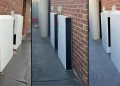
The scale of the battery boom becomes clearer when you look at the day. By mid-November, more than 124,000 home batteries had already been installed under the federal rebate. That’s roughly 2,7 GWh of new storage sitting in garages and on exterior walls. By the end of the year, applications are expected to climb towards 175,000, pushing total storage close to 3.9 GWh.
To put that in perspective:
Households will add the equivalent capacity of Australia’s five largest grid-scale batteries in just six months, simply by making decisions at their own front doors.
It’s the kind of growth usually associated with major infrastructure projects. And it shows that the centre of gravity in energy storage is shifting fast toward the suburbs.
Why demand has exploded
The rebate didn’t create interest in home batteries. It removed the final obstacle. For years, many households wanted storage but couldn’t justify the upfront cost. A 30% discount changed that overnight,t and the economics finally lined up with what people have been feeling for years: rising bills, hotter summers, and dwindling solar feed-in tariffs (FiTs) make storing your own energy far more valuable than exporting it.
The timing also matters. Extreme heat has pushed more families to think about resilience during blackouts. Solar uptake is already high, so adding a battery feels like a natural next step. And battery sizes are growing too: many households are choosing systems large enough to handle evening air-conditioning, cooking loads, and even future Electric Vehicle (EV) charging.
Put simply, the rebate didn’t spark a fad, but unlocked a transformation that had already begun. Homeowners were waiting for the right moment, and now that it’s here, they’re moving fast.
What this means for the grid
The rapid rise in home batteries isn’t just a win for individual households. It has system-wide implications. Storage at this scale can significantly soften the evening peak, the period when demand spikes just as solar production drops. With thousands of batteries discharging at once, pressure on transmission lines and substations eases, helping prevent price surges and reducing the strain seen during heatwaves.
This kind of distributed storage also gives the grid something it has struggled to achieve through large-scale projects alone: flexibility. A single big battery can support a region, but tens of thousands of smaller batteries across suburbs can react instantly to shift demand. The combined effect is a more stable grid, fewer bottlenecks and less reliance on gas peaker plants to keep the lights on.
In other words, households aren’t just installing batteries for themselves. They’re building a network of storage that works quietly in the background, strengthening the grid one garage at a time.
The strain behind the boom
A surge this large doesn’t happen without pressure points, and the battery boom is already testing the system behind it. Installers are reporting some of their busiest months on record, with teams completing 1,000 to 1,500 installations every working day across the country. That pace is fast enough to drive wait times longer in some regions, especially as demand climbs heading into summer.
The rebate budget is also running hotter than expected. With uptake accelerating, there’s growing uncertainty about how long the $2.3 billion program will stretch. If current trends continue, the scheme could hit its limits earlier than originally forecast, which may influence how future applicants plan their upgrades.
Supply chains are feeling the pressure, too. Large battery systems (now the most popular size) require more components, more logistics, and more time from installers. None of these issues is a deal-breaker, but they’re reminders that a national surge doesn’t just need enthusiasm from households. It needs capacity from the industry supporting them.
How households are choosing their systems
Another noticeable shift in the boom is what people are actually buying. Small entry-level batteries are no longer the default. Many households are now selecting systems in the 10 to 13 kWh range, large enough to cover evening cooling, cooking, and entertainment loads — and in some cases, even partial EV charging.
This reflects how homeowners are thinking about energy today. Instead of just topping up a few appliances, they want the ability to run most of the home without relying heavily on the grid after sunset. The rise of heat pumps, induction cooking, and larger solar systems has reinforced that preference, and the rebate has made bigger batteries more attainable.
This trend also signals a broader shift toward whole-of-home electrification. As families plan for EVs, future solar expansions or electric appliances, they’re choosing storage that can support those next steps. The battery is no longer a standalone upgrade. It’s becoming part of a longer-term plan for how the household will produce, store, and use energy.
Why this moment marks a lasting shift
The surge in home battery installations is more than a response to a rebate. It’s a sign of where the energy system is heading. Once households begin installing storage at this scale, the overall architecture of the grid starts to change. Instead of relying solely on large, centralised projects, the energy system gains thousands of small, flexible storage units that operate independently but strengthen the whole.
This momentum is unlikely to reverse. As more homes add batteries, Virtual Power Plants (VPPs) become easier to operate, evening prices become less volatile, and the value of storing solar at home becomes clearer to anyone still sitting on the fence. What began as a cost-saving measure is laying the groundwork for a far more resilient and decentralised grid.
For homeowners, it means something simple but powerful: control. And once people experience what that feels like — steady evening bills, fewer blackout worries, and the ability to shape their own energy use — it’s hard to imagine going back.
Australia’s homes are becoming its biggest battery
In just a few months, Australian households have done something remarkable: they’ve built a storage fleet that rivals the capacity of the nation’s largest battery installations. It didn’t come from government megaprojects or energy companies — it came from everyday families adding a battery to make their homes more efficient, more resilient and more predictable.
This record boom shows how quickly the balance of Australia’s energy system is shifting. As more homes pair solar with storage, the grid becomes steadier, households rely less on peak-period pricing and the idea of an all-electric home moves from future ambition to present reality. If this momentum continues, the next stage of Australia’s energy transformation won’t be led by big infrastructure. It will be led by the suburbs — one home battery at a time.
Energy Matters has been in the solar industry since 2005 and has helped over 40,000 Australian households in their journey to energy independence.
Complete our quick Solar Quote Quiz to receive up to 3 FREE solar quotes from trusted local installers – it’ll only take you a few minutes and is completely obligation-free.