As temperatures rise across the country, homeowners rely on their solar systems more than ever. Now is the ideal time to focus on rooftop solar maintenance tips for the summer holiday season in Australia. With energy usage increasing and heatwaves becoming more common, ensuring your solar system is in top condition maximises efficiency and protects your long-term investment. Energy Matters strongly recommends regular checks to keep your system performing at its best.
Why summer solar maintenance matters
Summer brings intense sunlight, but extreme temperatures can affect solar performance. Panels may become less efficient, wiring can be stressed, and mounting structures can loosen over time.
Regular maintenance helps you secure maximum output and prevent unexpected issues during peak holiday consumption.
A well-maintained system can also extend your equipment’s lifespan and reduce the likelihood of costly repairs later on.
Preparation for peak summer performance
Preparation is key to getting the most from your solar panels when the sun is at its brightest. Australia’s high temperatures can reduce panel efficiency if they become too hot, so proper airflow and cleanliness are crucial. A little bit of care now can prevent a major drop in performance later.
1. The importance of regular cleaning
Dust, bird droppings, and bushfire ash accumulate rapidly during the dry Australian summer, blocking sunlight. Even a thin layer of grime can significantly reduce your system’s efficiency, costing you money. Aim to clean your solar panels either just before the summer season starts or after a significant dust or smoke event.
- DIY cleaning: For easily accessible, sloped panels, a gentle hosing from the ground with a standard garden hose is often sufficient to remove loose debris. Always use soft materials and avoid harsh chemicals or high-pressure washers, which can damage the panels or void your warranty.
- Professional service: If your panels are hard to reach, heavily soiled, or on a flat roof, engage an expert for a thorough, safe cleaning and inspection. This is a crucial safety step, as working on a roof can be dangerous.
2. Monitor for shading and obstructions
The sun’s angle changes throughout the year, and trees or new structures might cast shadows that were not an issue before. Even partial shading on a single panel can affect the entire system’s output because solar panel strings are connected in series. Take a moment to inspect your roof for any new or growing obstructions visually.
- If branches are the culprit, safely trim them back before they impact performance.
- Check for any new antennas or vents installed on the roof that may cast a shadow during peak generation hours (10 am to 4 pm).
3. Inspecting the inverter and wiring
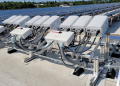
The solar inverter is the ‘brain’ of your solar system, converting DC energy to AC power for your home. Summer heat can cause inverters to overheat, reducing output or even causing system shutdowns. Ensure the inverter is in a shaded, well-ventilated location.
- Check the display: Look for any error codes, warning lights, or abnormal messages. Consult your system’s manual or contact a certified electrician if you see a fault.
- Ventilation: Clear away any dust, dirt, or spiderwebs from the inverter’s cooling fins and ventilation grills to ensure proper airflow and heat dissipation.
- Pest control: The cool, shaded area under your solar panels can attract pests, such as rats, which may chew on the wiring. A professional inspection can detect and mitigate potential damage caused by rodents.
4. Leverage your system monitoring
Modern solar systems come with smart monitoring software or apps, which are your most valuable tool for summer maintenance. Real-time data lets you track energy generation and quickly identify sudden, unexplained production drops.
- Set up alerts: Configure notifications to alert you to significant drops in power output, which often indicate shading, a dirty panel, or an inverter fault.
- Check performance daily: During your holiday, make a habit of checking your system’s output against the expected performance for that time of year. If the production is consistently low, it’s time to investigate.
5. Understand the impact of heat
While solar panels need sunlight, extreme heat can reduce their efficiency—a phenomenon described by the temperature coefficient. For most panels, efficiency drops by about 0.2%- 0.5% for every 1 °C above 25°C. This power loss is inevitable, but good maintenance can mitigate it.
- Good airflow: Ensure the mounting system provides sufficient space (typically 10-15cm) between the panels and the roof to allow air circulation, which helps cool the panels naturally.
- Consider system upgrades: If you plan to upgrade, look for panels with a lower temperature coefficient for superior hot-weather performance.
6. Optimise your appliance usage
During the summer holidays, more people stay at home and use energy-efficient appliances such as air conditioners and pool pumps. Make sure to use your generated solar energy directly rather than exporting it to receive a lower feed-in tariff.
- Run appliances during peak sun: Schedule your washing machine, dishwasher, and pool pump to run between 10 am and 4 pm when your panels are generating the most power.
- Pre-cool your home: Use your solar-powered air conditioner during the day to “pre-cool” your house, making it easier to maintain a comfortable temperature in the evening without drawing expensive grid power.
7. Post-storm visual inspection
A powerful summer storm can physically damage your system, even if it is designed to be resilient. Safety is paramount; never climb onto your roof or handle damaged components yourself.
- Look for physical damage: From the ground, visually check for cracked glass, bent frames, or loose mounting hardware. Look for any exposed or damaged wiring hanging from the panels or near the inverter.
- Debris removal: If you see any large debris, such as tree branches, on or near your panels, call a professional to remove it safely. Do not attempt to remove it yourself; doing so could damage the electrical components.
8. The annual professional inspection
Even with diligent DIY maintenance, a professional service is non-negotiable for long-term safety and performance. An accredited solar electrician can perform technical checks that you cannot, such as testing electrical components and inspecting for micro-cracks or corrosion.
- Electrical checks: The service should include checking for correct voltage and current, performing anti-islanding tests on the inverter, and tightening all connections.
- Warranty compliance: Regular professional servicing, typically every 1-2 years, is often required to maintain your system warranty. Secure your inspection with a certified provider.
9. Prepare your system for holiday travel
Many Australians travel during Christmas and New Year, leaving their solar systems running unattended.
Before you go:
- Check inverter settings
- Enable monitoring alerts
- Secure all cables and wiring
- Ensure your solar battery storage (if any) is set to optimal holiday mode
This keeps your home safe and ensures the system operates smoothly while you’re away.
Use Energy Matters’ easy-to-use solar power and battery storage calculator to determine the size of your solar system with storage! Our solar calculator will generate performance information and potential savings.
We can send this information to 3 of our pre-vetted and trusted local installers in your area to receive obligation-free solar quotes and take the first step towards true energy independence!

Key solar maintenance summary
For quick reference, here is a summary of the most important maintenance tips for your rooftop solar system this summer:
| Maintenance Task | Recommended frequency | Summer focus | Key benefit |
| Panel cleaning | Biannually (or after major dust/ash) | Removal of summer grime, dust, and bushfire residue. | Maximises sunlight absorption and power output. |
| Visual check (Shading/Damage) | Monthly and post-storm | Check for new shadows, cracks, or loose components. | Prevents significant system degradation from damage or shading. |
| Inverter check | Weekly (or via monitoring app) | Ensure ventilation is clear to avoid an overheating shutdown. | Maintains system operation and prevents component failure. |
| System monitoring | Daily/Weekly | Identify and troubleshoot sudden drops in energy generation. | Allows for rapid response to efficiency-draining faults. |
| Professional service | Every 1-2 Years | Comprehensive electrical and safety check by a qualified technician. | Upholds warranty and ensures long-term safety/efficiency. |
Maximising solar efficiency during the summer holidays
To get the most out of your system:
- Use high-energy appliances during peak sunlight (10 am – 3 pm).
- Monitor air-conditioning usage.
- Optimise battery charging schedules.
A well-maintained rooftop solar setup ensures greater energy savings during one of the year’s highest consumption periods.
Professional solar maintenance: When to call solar experts
Some tasks are best left to qualified solar technicians. This includes electrical issues, system rewiring, inverter faults, and advanced diagnostics.
Call a professional if you notice:
- Sudden output drops
- Frequent inverter errors
- Burning smells or sparking
- Cracked or damaged panels
Energy Matters can help you connect with trusted, accredited solar professionals across Australia. We partner with Solar Service Guys, who can perform solar system health checks.
Keeping your rooftop solar system in top condition with these rooftop solar maintenance tips for the summer holiday season in Australia ensures reliable performance, greater energy savings, and long-term durability. Don’t wait for a breakdown—get ahead with smart, simple maintenance. For solar expert guidance or professional solar support, Energy Matters is here to help you maximise your system’s potential this summer and beyond.