

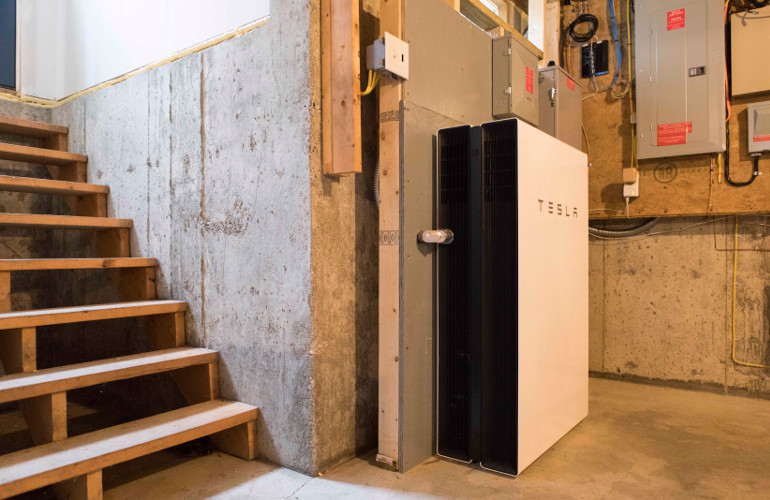

Sunrun has a new virtual power plant (VPP) program that is geared toward powering hyperscalers. The residential solar and storage installer is working with Tesla and Renew Home, an energy management platform, on the effort.
The trio plans to provide more than 16 GW of residential energy storage capacity to hyperscalers and utilities by aggregating millions of existing demand-side and energy exporting devices in states across the country into local solutions for offtaking parties. Deployable in months, not years, this capacity-as-a-solution framework creates headroom on the existing grid by freeing up transmission capacity, easing congestion on distribution infrastructure and extending the duration and depth of available capacity, all while helping American households lower energy bills, earn rewards and power through outages.
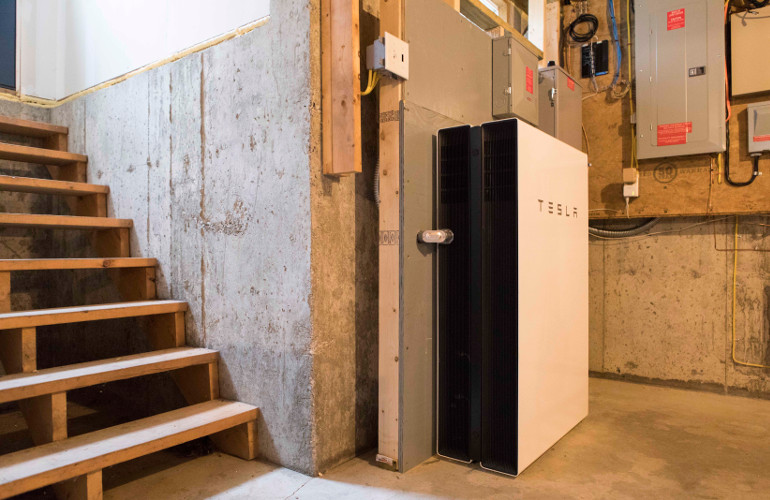
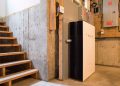
Credit: SunCommon
Together, the companies would likely form the largest distributed power plant in the country — capable of injecting net new electrons onto the grid from home batteries paired with solar generation while simultaneously shifting household load during peak demand hours. The combined 16-GW resource draws dispatchable capacity from hundreds of thousands of home battery systems operated by Sunrun and Tesla, alongside flexible peak capacity from more than 8 million smart thermostats and devices managed by Renew Home.
“The grid of the 1800s cannot power the innovation of 2026,” said Sunrun CEO Mary Powell. “Americans deserve innovation that does not create unnecessary energy costs. When data centers are asked to throttle down operations during the most expensive and stressful hours of the day, we can activate our distributed power plants to help provide them the power they need while also protecting American families from footing the bill for costly new infrastructure.”
In Virginia — the heart of Data Center Alley — the companies already have more than 300 MW of capacity readily available for immediate deployment. By 2030, that figure is expected to grow to at least 500 MW, rivaling some of the largest generation facilities in the state, as installations of home batteries and smart thermostats ramp. The companies are capable of building multiple gigawatts of additional capacity across the country.
Given the unprecedented race for power, hyperscalers interested in securing these local energy resources are encouraged to engage immediately, as available capacity will be allocated on a first-come, first-served basis.
Together, the companies have also committed to provide capacity to PJM’s proposed Reliability Backstop Process. If accepted, PJM would immediately unlock over 1 GW of capacity today, with more deployable in the years ahead for peak shaving, locational grid relief and fast-responding ancillary services.
“The stakes are clear. America’s grid faces mounting pressure from data centers, electrification, and manufacturing growth that no single infrastructure solution can solve fast enough,” said Colby Hastings, Senior Director of Residential Energy at Tesla. “Sunrun, Renew Home, and Tesla believe that a huge piece of the answer is already in place — in the batteries, thermostats, and electric vehicles inside millions of American homes, waiting to be put to work.”
News item from Sunrun