


Are you looking to upgrade your home with clean energy? The debate between next-generation solar tiles vs traditional panels in Australia is heating up as technology improves. While traditional panels have dominated the market for decades, sleek solar roof tiles are now a viable alternative for many homeowners.
This post explores the pros and cons of both systems to help you decide. Whether you value aesthetics or raw power, understanding these differences is key. Ready to switch? Energy Matters can help you find the perfect fit.
What are solar roof tiles?
Solar roof tiles — also called building-integrated photovoltaics (BIPV) — are compact solar units designed to replace standard roofing materials. Unlike traditional solar panels that sit on top of your roof, solar tiles are the roof itself.
Each tile contains photovoltaic (PV) cells that convert sunlight into electricity. The tiles connect to a solar inverter and, in some systems, to a home battery storage system. The result is a sleek, integrated energy system that is almost invisible from the street.
Use Energy Matters’ easy-to-use solar power and battery storage calculator to determine the size of your solar system with storage! Our solar calculator will generate performance information and potential savings.
We can send this information to 3 of our pre-vetted, trusted local installers in your area to receive obligation-free solar quotes and take the first step toward true energy independence!

In Australia, these are becoming popular for new builds and luxury renovations. They offer a seamless look that traditional panels simply cannot match. If you want a “hidden” solar system, solar tiles Australia might be your best bet.
How they work
- Each tile contains a small solar cell protected by tempered glass.
- The tiles connect together in a series-parallel configuration to power your home.
- They function as both a protective roofing material and an energy generator.
Traditional solar panels: The industry standard
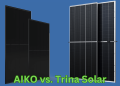
Traditional solar panels remain the most common choice for a reason. They are highly efficient and easy to install on existing roofs. These large modules are mounted on a racking system, usually tilted to maximise sun exposure.
While they are more visible, modern “all-black” panels have significantly improved the look. For most Australian households, traditional panels offer the fastest return on investment.
Key features
- High efficiency: Modern panels usually range from 20% to 23% efficiency.
- Durability: Built to withstand harsh Australian storms and hail.
- Cost-effective: Large-scale panel manufacturing keeps prices low.
Comparison: Solar tiles vs. Traditional panels
Choosing between next-generation solar tiles vs traditional panels in Australia depends on several factors. Below is a breakdown of how they compare in the real world.
1. Aesthetics and curb appeal
Solar tiles win this round easily. They blend into the roofline perfectly. This is a major advantage if you live in a heritage-listed area or a neighbourhood with strict aesthetic rules.
Traditional panels are bulky. Even with sleek mounting, they are clearly visible. However, many people now view panels as a symbol of sustainability rather than an eyesore.
2. Energy efficiency
In general, traditional panels outperform solar tiles. Air can circulate and keep the panels cool because they are installed with space underneath. This circulation is essential since heat lowers solar efficiency.
Higher operating temperatures may result from solar roof tiles sitting flush against the roof. According to recent research, heat stress can reduce photovoltaic efficiency by 0.4% for each degree Celsius above the ideal temperature.
3. Installation and cost
Installing solar tiles in Australia is a complex process. It often requires a specialised team and is best done during a full roof replacement. The average cost can be significantly higher than that of panels.
Traditional panels are much faster to install. A standard 6.6kW system can usually be set up in a single day. This lowers labour costs and makes the technology accessible to more families.
Why choose solar tiles in Australia?
Despite the higher cost, solar tiles in Australia are a great choice for specific scenarios. If you are building a new home, you can save money by not buying traditional tiles.
A portion of the initial cost is offset by the product’s dual use for power generation and roofing. Plus, it is incredibly durable and can last for decades with minimal degradation.
Advantages of solar tiles
- Increases property value: A modern, solar-integrated roof is a huge selling point.
- No extra weight: Unlike panels, they don’t add bulk to your roof structure.
- Weather resistance: Designed to be as tough as standard tiles.
Solar roof tile brands available in Australia
The market for solar tiles in Australia remains limited compared to panels. As of 2025, options include:
- Volt (via Bristile Roofing): The only brand currently on the Clean Energy Council (CEC) approved modules list. Blends with terracotta and concrete roofs. Ideal for heritage homes and design-focused new builds.
- Tractile Eclipse: An Australian innovation combining solar PV with solar hot water in an oversized interlocking tile. Designed for extreme Australian weather conditions.
- Nulok: A design-award-winning insert system popular with architects. Achieves 18–22% efficiency, making it one of the more capable tiles on the market.
- Tesla solar roof tiles, despite significant hype, are currently unavailable to Australian consumers. Tesla removed the product from its Australian website in early 2025.
Why traditional panels still rule
For the average Aussie, traditional panels are the practical choice. They offer better “bang for your buck” and a much shorter payback period. Most systems pay for themselves within 3 to 5 years through energy savings.
Traditional panels are also easier to upgrade. If you want to add more capacity later, you can simply add more panels. With tiles, expanding the system is much more difficult and costly.
Government rebates for solar tiles in Australia
Both solar panels and solar roof tiles can be eligible for the Small-scale Renewable Energy Scheme (SRES), which provides rebates through Small-scale Technology Certificates (STCs). However, solar tiles must be listed on the CEC-approved modules list to qualify.
For traditional solar panels, rebates are widely accessible. A broad range of panels from leading brands and many more qualify, and approved installers are available across every state and territory. Check our page for our recommended solar panel products.
Pros and cons summary
Solar roof tiles — pros
- Seamless integration with your roof — no visible panels
- Dual function: roofing material and energy generator in one
- Excellent weather resistance — designed for Australian conditions, including high winds, hail, and bushfire risk
- No drilling or clamping — reduced risk of roof leaks
- Can suit difficult or irregular roof shapes
- May increase property value for design-conscious buyers
Solar roof tiles — cons
- High upfront cost — often 3–5 times more than panels for the same output
- Lower energy efficiency in most current products
- Long payback period — often 20+ years
- Limited installer availability and fewer maintenance specialists
- Complex, time-consuming installation
- Limited CEC-approved options in Australia as of 2025
Traditional solar panels — pros
- Lower upfront cost — much faster return on investment
- Higher efficiency ratings from leading brands
- Fast installation — typically one to three days
- Mature technology with strong warranty support
- Wide availability of approved installers across Australia
- Proven track record in Australian conditions
Traditional solar panels — cons
- Visible on the rooftop — less aesthetically seamless
- Require mounting hardware and railing
- Can be challenging on unusually shaped or heritage roofs
Which one should you choose?
Deciding on next-generation solar tiles vs traditional panels in Australia comes down to your budget and goals. If you are building a “dream home” and want a sleek finish, go with tiles.
If you want the most electricity for every dollar spent, traditional panels are the winner. They are reliable, efficient, and widely supported by installers across the country.
Making the switch with Energy Matters
Ready to take the next step in your solar journey? Navigating the world of solar roof tiles and panels can be tricky. That is why expert advice is essential.
Energy Matters offers a free service that connects you with pre-vetted, trusted local installers. Get a quick, no-obligation quote today and start saving on your power bills. Don’t wait for energy prices to rise—act now!