

The transition to a cleaner future is no longer a distant dream for the land down under. As we move through 2026, the focus on electrification and battery storage for Australia’s grid stability has become the nation’s top energy priority.
Australia is currently moving away from aging coal-fired power stations that are becoming increasingly unreliable. To keep the lights on, we are embracing a system powered by the sun, wind, and advanced storage technology.
The current state of the Australian energy market
Our energy landscape is changing faster than ever before. In 2026, renewable energy accounts for over 45% of the total electricity generation in our major grids.
However, renewables like solar and wind energy are “variable,” meaning they only produce power when the sun shines or the wind blows. This creates a “timing challenge” where energy production doesn’t always match the peak demand of Australian households.
To solve this, the Australian government and energy operators are pushing for a “whole-of-system” transformation. This involves replacing fossil fuels with electric alternatives and backing them up with massive amounts of storage.
How electrification secures our energy future
Electrification is the process of replacing technologies that use fossil fuels—such as gas heaters and petrol cars—with electric alternatives. This shift is a fundamental pillar of Australia’s grid stability because it allows us to use our abundant solar resources more effectively.
- Household savings: Switching from gas to electric appliances can reduce heating and cooking costs by up to 60%.
- Reduced emissions: Energy accounts for nearly 90% of Australia’s net emissions, and electrifying our homes is the fastest way to reach net zero.
- Energy efficiency: Modern electric heat pumps and induction cooktops are far more efficient than their gas-burning predecessors.
Ready to start saving with renewable energy technology? Energy Matters can help you transition to an all-electric home with free quotes from local experts.
The power of battery storage: The grid’s “Shock Absorber”
If electrification is the engine of our new energy system, battery storage is the fuel tank. Solar battery energy storage is essential to turn variable renewable generation into dependable, 24/7 power.
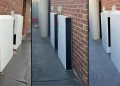
Household batteries
Home batteries store the excess solar energy generated during the day. Instead of sending that power back to the grid for a low feed-in tariff, you can use it at night when grid prices are highest.
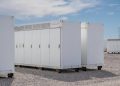
Grid-scale batteries
Large-scale projects, like the Waratah Super Battery in New South Wales (NSW), act as “shock absorbers.” They can discharge hundreds of megawatts in milliseconds to prevent blackouts when the grid faces a sudden surge or a fault.
Community batteries
These “neighbourhood” batteries allow residents—even those without solar panels—to benefit from shared local storage. They improve local reliability and help keep voltage levels stable across the street.
Use Energy Matters’ easy-to-use solar power and battery storage calculator to determine the size of your solar system with storage! Our solar calculator will generate performance information and potential savings.
We can send this information to 3 of our pre-vetted and trusted local installers in your area to receive obligation-free solar quotes and take the first step towards true energy independence!

Virtual Power Plants and 2026 reforms
A major milestone in 2026 is the full integration of Virtual Power Plants (VPPs) into the Australian energy market. A VPP is a network of home batteries, coordinated by smart software, that act as a single, giant power plant.
Recent reforms now allow VPPs to compete directly with large-scale coal and gas generators. This means everyday Australians are now getting paid to help balance the grid during peak times.
Visit our Virtual Power Plant (VPP) offers in Australia page for more information.
EVs: Batteries on wheels
As of 2026, electric vehicles (EVs) accounted for a significant share of new car sales in Australia. These vehicles are no longer just transport; they are mobile energy storage units.
Vehicle-to-Grid (V2G) technology is now entering the mainstream. Your car can charge during the day when solar power is plentiful and discharge energy back into your home or the grid during the evening peak.
This “bi-directional” charging reduces the need for expensive new grid infrastructure. It turns millions of cars into a massive, distributed battery that supports grid stability in Australia.
Summary of key grid stability components
| Component | Role in Stability | Consumer Benefit |
| Rooftop solar | Provides cheap, local generation | Slashes daytime electricity bills |
| Home batteries | Shifts solar use to peak evening hours | Provides backup power during outages |
| VPPs | Group small batteries to support the grid | Earns credits or lower tariffs for owners |
| EVs (V2G) | Provides massive mobile storage capacity | Turns your car into a home energy source |
| Grid-scale storage | Responds to frequency and voltage drops | Prevents large-scale blackouts |
Government incentives in 2026
To support this transition, various state and federal rebates remain available in 2026. Programs like the “Cheaper Home Batteries” initiative provide significant discounts on upfront costs.
Electrification and battery storage are the twin pillars of a modern, reliable, and affordable Australian energy system. By moving away from fossil fuels and embracing smart storage, we are building a cleaner, more resilient grid. This transition empowers individuals to take control of their energy future while contributing to the nation’s stability. The technology is here, the benefits are clear, and the time to act is now.
Let Energy Matters help you make the right choice for your energy future. Contact us today to connect with reliable solar installers and be part of Australia’s clean energy transformation. Begin your journey towards net zero today!