India’s energy sector is going through a major shift. As cities expand, industries grow, and electric mobility increases, electricity demand continues to rise across the country. Solar energy has already become a popular solution because it is clean and cost-effective. However, solar power alone cannot meet every energy need since generation stops after sunset.
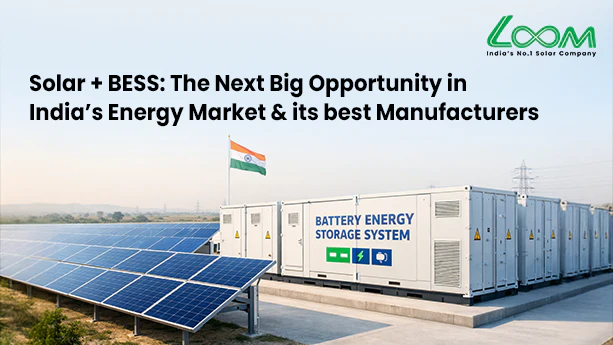
This challenge is now being addressed through Solar + BESS (Battery Energy Storage System) solutions. By combining solar generation with battery storage, India can move toward reliable 24/7 clean energy, creating a major opportunity in the country’s energy market and overcoming solar intermittency.
This article below will introduce you with the introduction and uses of Solar + BESS and best manufacturers of BESS.
India’s Growing Need for Reliable Power
Electricity consumption in homes, offices, and industries is increasing every year. At the same time, many regions still face power fluctuations and rising electricity costs. Businesses cannot afford downtime, and households expect uninterrupted power supply. Solar plus Storage in India is a very preferable option.
Solar power helps reduce electricity expenses, but energy is still needed during night hours or power outages. Battery storage systems solve this issue by storing excess solar energy produced during the day and supplying it whenever required, it provides Round-the-Clock (RTC) Renewable Energy.
What is a Solar + BESS Hybrid System?
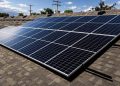
A Solar + BESS hybrid system combines solar panels with battery storage and smart energy management. During the day, solar panels generate electricity, which is used instantly. Extra energy is stored in batteries and later used at night or during grid failures.
This setup ensures consistent energy supply while reducing dependence on conventional power sources and diesel generators.
Why Solar + Battery Storage Matters Now
Several factors are driving the adoption of hybrid solar systems in India. Electricity tariffs are increasing, especially for commercial and industrial consumers. Businesses are looking for predictable energy costs and reliable power supply.
At the same time, India is expanding its renewable energy capacity. However, renewable energy needs storage solutions to ensure availability when generation is low. Battery systems make renewable energy more dependable and practical.
Another important shift is the replacement of diesel generators. Battery storage offers a cleaner and quieter backup power solution, reducing both fuel costs and pollution.
-
Solar Power at Midnight: Solar panels only work when the sun is out. Batteries “save” that extra daytime energy so you can use it to run your AC or lights at 11 PM. It turns solar into a 24/7 power source.
- Faster ROI (Return on Investment): Because battery prices have dropped and panel efficiency has hit record highs in 2026, most systems now pay for themselves in just 4–5 years, giving you nearly free electricity for the next two decades.
Market Opportunity in India
The market for Solar + BESS systems is growing rapidly. Falling battery costs, supportive government policies, and increased renewable investments are encouraging adoption. Commercial and industrial sectors are especially interested in hybrid systems to control operational costs.
Large-scale renewable energy projects are also integrating storage to improve grid reliability. This growth creates opportunities for solar developers, manufacturers, EPC companies, and investors in India’s clean energy ecosystem.
In 2026, Solar plus Storage India is moving from a luxury to a necessity, as the country heads toward a record-breaking 5 GWh of battery capacity to provide round-the-clock green energy.
Faridabad: Where industrial legacy meets next-gen power. Find about the BESS Companies in Faridabad, Haryana
https://www.loomsolar.com/blogs/collections/bess-company-in-faridabad-haryana
Benefits of Solar + BESS Systems
Hybrid systems allow solar energy to be used even after sunset, making clean energy available round the clock. Consumers can reduce electricity expenses by storing cheaper daytime power and using it during high-tariff hours.
Battery systems also eliminate the need for diesel generators, offering silent and environmentally friendly backup power. Businesses benefit from peak load management, while households gain energy independence and reliability.
Additionally, energy storage supports grid stability by reducing stress during periods of high demand.
-
Improved energy independence and reliability for homes and commercial establishments.
-
Peak load management benefits for businesses, helping reduce demand charges and energy costs.
-
Better grid stability, as storage systems reduce stress on the grid during high-demand periods.
-
Round-the-clock clean energy availability through Solar plus Storage India solutions.
-
Elimination of diesel generators, providing silent and environmentally friendly backup through modern Renewable Energy Storage solutions.
For detailed knowledge about Bess, its market analysis, installation process and real- world challenges, Explore our Blog:
https://www.loomsolar.com/blogs/collections/battery-energy-storage-systems-bess-market-analysis-installation-process-real-world-challenges
Applications Across Sectors
Solar + storage systems are now being adopted across residential, commercial, and industrial segments. Homeowners use batteries for backup and savings. Businesses use storage to manage electricity expenses and avoid power interruptions. Industries rely on hybrid systems to maintain uninterrupted production.
Battery storage is also supporting agriculture, EV charging infrastructure, and rural electrification projects, expanding access to reliable electricity in remote areas.
Challenges That Still Exist
Despite rapid progress, some challenges remain. Initial investment costs can be higher than solar-only installations. Battery lifecycle management and recycling systems are still developing. Policies and regulations vary across states, sometimes slowing adoption.
However, improvements in technology, financing options, and government support are steadily addressing these challenges.
Future Outlook
The future of Solar + BESS in India looks promising. Battery prices continue to decline, and domestic manufacturing is expanding. Smart energy management systems and grid modernization will further improve efficiency.
Experts expect hybrid renewable energy projects to become the norm in the coming years, making storage an essential part of India’s power infrastructure.
Conclusion
Solar energy has already transformed India’s electricity landscape. The addition of battery storage is now enabling reliable, affordable, and clean power around the clock.
Solar + BESS systems represent a major opportunity for households, industries, and investors looking to participate in India’s sustainable energy future. The country is moving toward a future where clean energy is not only available during the day but powers life continuously.