


Summer is when home batteries stop living on spec sheets and start living in real conditions. Hot nights, sun-soaked walls, heatwaves turn every installation decision into a live test of how well a battery was designed into the home.
For many, nothing seems wrong. The system still charges. Solar production is high. Energy flows as expected. Yet summer is often when the most stress is quietly applied.
Batteries sit against walls that hold heat long after sunset, in garages that trap warm air, or in side spaces where airflow barely exists. These conditions don’t usually cause immediate failure; instead, they shape how the battery ages.
Placement is rarely treated as a performance factor once installation is complete. It becomes a fixed detail, out of sight and out of mind. However, summer reveals whether a battery was placed for long-term health or simply where it fit at the time.
This season is the clearest opportunity to understand how a battery really experiences your home. Not just during the hottest part of the day, but through the long, warm evenings when heat lingers. What summer shows now will impact how that home solar battery performs, protects itself, and delivers value for years to come.
Battery placement isn’t about shade
Homes don’t heat evenly, and batteries don’t experience temperature the way weather apps report it. The conditions that matter most are local and specific, shaped by materials, orientation, and airflow. Summer makes these microclimates impossible to ignore,
A west-facing wall can absorb heat all afternoon and release it well into the evening, long after the sun has moved on. Brick, concrete, and rendered surfaces hold warmth and radiate it back toward anything mounted nearby.
Garages, although they may feel sheltered, can trap heat and reach their highest temperatures later in the day when outside air has already begun to cool.
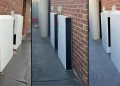
Narrow side passages and fenced areas can be just as challenging. These spaces block natural airflow and allow heat to build up around the unit, particularly during still summer evenings. From the outside, the battery looks protected. In reality, it may be sitting in one of the warmest pockets around the home.
This is why placement is best understood as a microclimate decision rather than a simple question of indoor versus outdoor. Summer exposes how heat moves, lingers, and concentrates around a battery — and whether its location supports long-term performance or quietly works against it.
Why summer stress often goes unnoticed
Summer is also when solar systems appear to perform at their best. Longer days and stronger sunlight mean batteries are charging easily, concealing the subtle limits being applied behind the scenes.
When temperatures rise, batteries and inverters are designed to protect themselves. Output may be gently reduced, charging slowed, or operating ranges adjusted to manage internal heat. These changes are rarely obvious to homeowners, especially when there is still plenty of solar energy available to meet daily needs.
The impact of this thermal stress tends to surface later. It can show up as a gradual reduction in usable capacity, earlier throttling during mild weather, or less flexibility in shoulder seasons when solar generation drops. By then, summer has passed, and the connection between heat exposure and performance changes is easy to overlook.
Summer doesn’t usually announce a problem. It quietly sets the conditions that determine how well a battery will cope in the years that follow.
What poor placement costs over time
The real cost of heat is the gradual erosion of a battery’s best working years. When a battery is consistently exposed to higher temperatures, every cycle carries a little more stress than it should.
Over time, this can reduce the amount of energy the battery can reliably store and deliver. Protective limits may activate earlier and more often, restricting performance even on days that are not especially hot. Charging and discharging can become less efficient, particularly as the system ages.
This kind of degradation rarely draws attention to itself. It doesn’t trigger alarms or obvious faults. A battery that once covered evening usage comfortably may start falling short. Flexibility declines, and the system spends more time protecting itself than supporting the household.
Poor placement doesn’t usually break a battery. It shortens the period in which it operates at its best, slowly narrowing the value homeowners expected when they invested in storage.
Summer is the best time to audit your battery’s environment
Many of the conditions that affect a battery’s long-term health are hard to spot in cooler months. Summer makes them visible.
Late afternoon and early evening are particularly revealing. Walls that feel warm to the touch, garages that hold onto heat well after sunset, and still pockets of air around the unit all point to where thermal stress is building. These are the moments when a battery is working hardest to manage its own temperature.
Monitoring tools can provide insights, where available. Temperature trends over hot days can reveal patterns that you can’t get from single readings. Even without detailed data, simple observation during summer provides valuable information about how the battery actually experiences the home.
Summer provides a rare opportunity to understand the environment a battery lives in every day.
Home solar battery placement tweaks that matter more than people expect
Improving a battery’s environment doesn’t usually require moving it. In many homes, relatively simple changes can meaningfully reduce thermal stress during summer.
- Improve airflow around the unit: Ensure there is clear space for air to move freely, particularly during still summer evenings when heat tends to linger.
- Limit radiant heat from nearby surfaces: Brick walls, concrete, fencing, and paved areas can store heat and release it back toward the battery well after sunset.
- Manage late-day heat build-up: Spaces that feel hottest in the early evening often place the greatest strain on batteries over time.
- Avoid trapping heat in enclosed areas: Garages, side passages, and screened spaces can quietly become the warmest parts of the home during summer.
- Focus on reducing heat: The goal is to ease the thermal load on the system, allowing it to operate naturally without frequent self-protection.
These small adjustments don’t improve headline performance figures. They help preserve reliability, capacity, and value over the long term, especially through repeated summers.
Questions to ask if you’re planning a battery install now
If you’re considering having a home solar battery installed this summer, placement decisions made today will shape how the system performs for years to come. Warm weather provides a useful lens for thinking beyond compliance and convenience:
- How will this location behave during a heatwave? A spot that seems fine on a mild day can feel very different after consecutive hot afternoons.
- Which surfaces will hold heat into the evening? Walls and structures that radiate warmth after sunset can extend thermal stress well beyond daylight hours.
- What happens to heat when the air is still? Poor airflow can allow warm air to build up around the unit during summer nights.
- Is the space cooler in practice, not just on paper? Garages and sheltered areas often run hotter than expected once summer settles in.
- How much flexibility is there to adapt later? Small design choices now can make future adjustments easier if conditions change.
Thinking about placement through a summer lens helps ensure the battery is integrated into the home, rather than simply attached to it.
Summer shows you what winter can’t
Summer places the longest and most consistent strain on a home battery. Heat builds, lingers, and settles into the materials and spaces around the home, making this season uniquely revealing.
What summer exposes often explains how a battery behaves later. Reduced flexibility, earlier throttling, or gradual performance changes in cooler months can often be traced back to how much heat the system has been managing over time.
Battery placement doesn’t need to be perfect. It needs to avoid unnecessary stress. Paying attention to how a battery experiences summer now is one of the most effective ways to protect its performance, extend its working life, and preserve long-term value.
Energy Matters has been in the solar industry since 2005 and has helped over 40,000 Australian households in their journey to energy independence.
Complete our quick Solar Quote Quiz to receive up to 3 FREE solar quotes from trusted local installers – it’ll only take you a few minutes and is completely obligation-free.