

If your old gas furnace is on its last legs, you are about to encounter the new reality of California real estate. On January 1, 2026, the updated California Energy Code (Title 24) went into effect.
The state is aggressively pushing to decarbonize homes, meaning your next HVAC upgrade will likely be an electric heat pump. Here is why adding solar panels needs to be part of that plan:
Understanding the 2026 California Energy Code
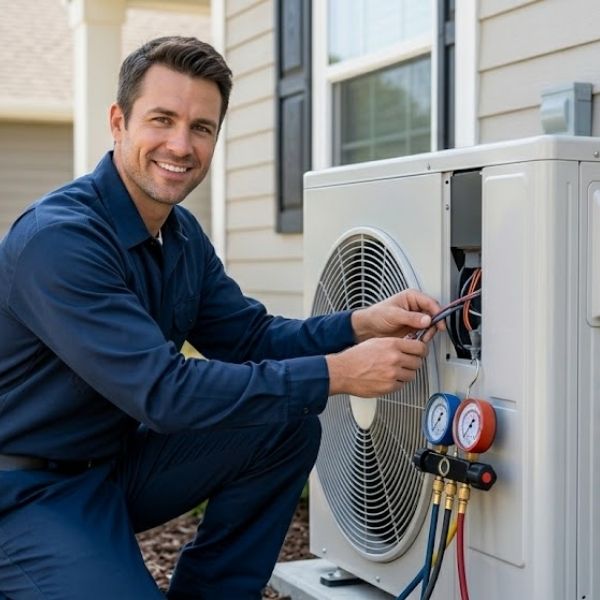
The 2026 Title 24 updates heavily incentivize—and in some major renovation cases, practically require—the installation of heat pumps for space heating and water heating. The goal is to move the state away from natural gas reliance to reduce greenhouse gas emissions. While building an all-electric home is fantastic for indoor air quality and the environment, it fundamentally shifts your energy consumption profile from gas to electricity.
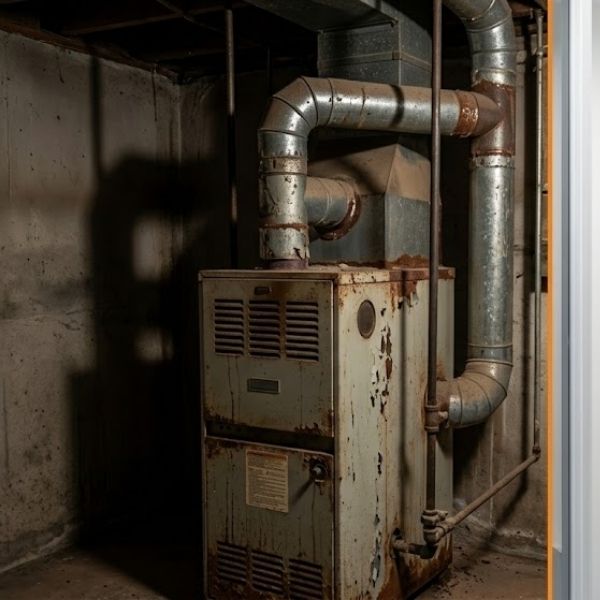
The Electric Bill Shock of Ditching Gas
Heat pumps are incredibly efficient, but they still run on electricity. When you swap a gas furnace and water heater for electric heat pumps, your home’s total electrical load skyrockets.
In the Bay Area, where PG&E electricity rates are among the highest in the nation, running a whole-home electric heating system during the winter can result in severe sticker shock if you are buying all that power directly from the grid.
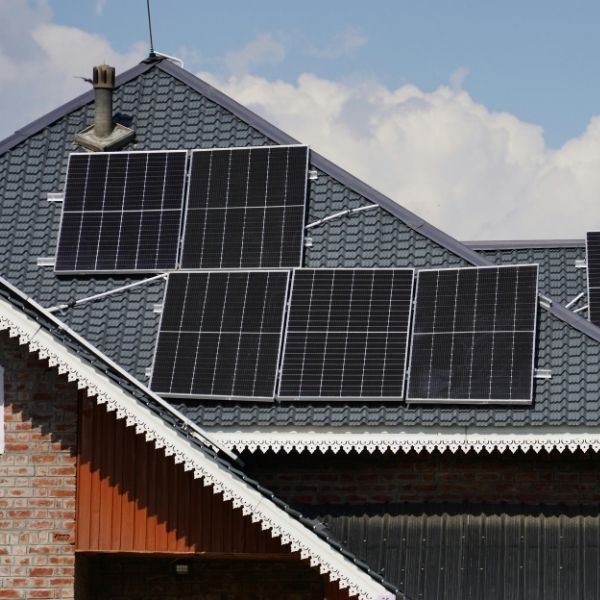
Solar Panels: Your Shield Against Rate Hikes
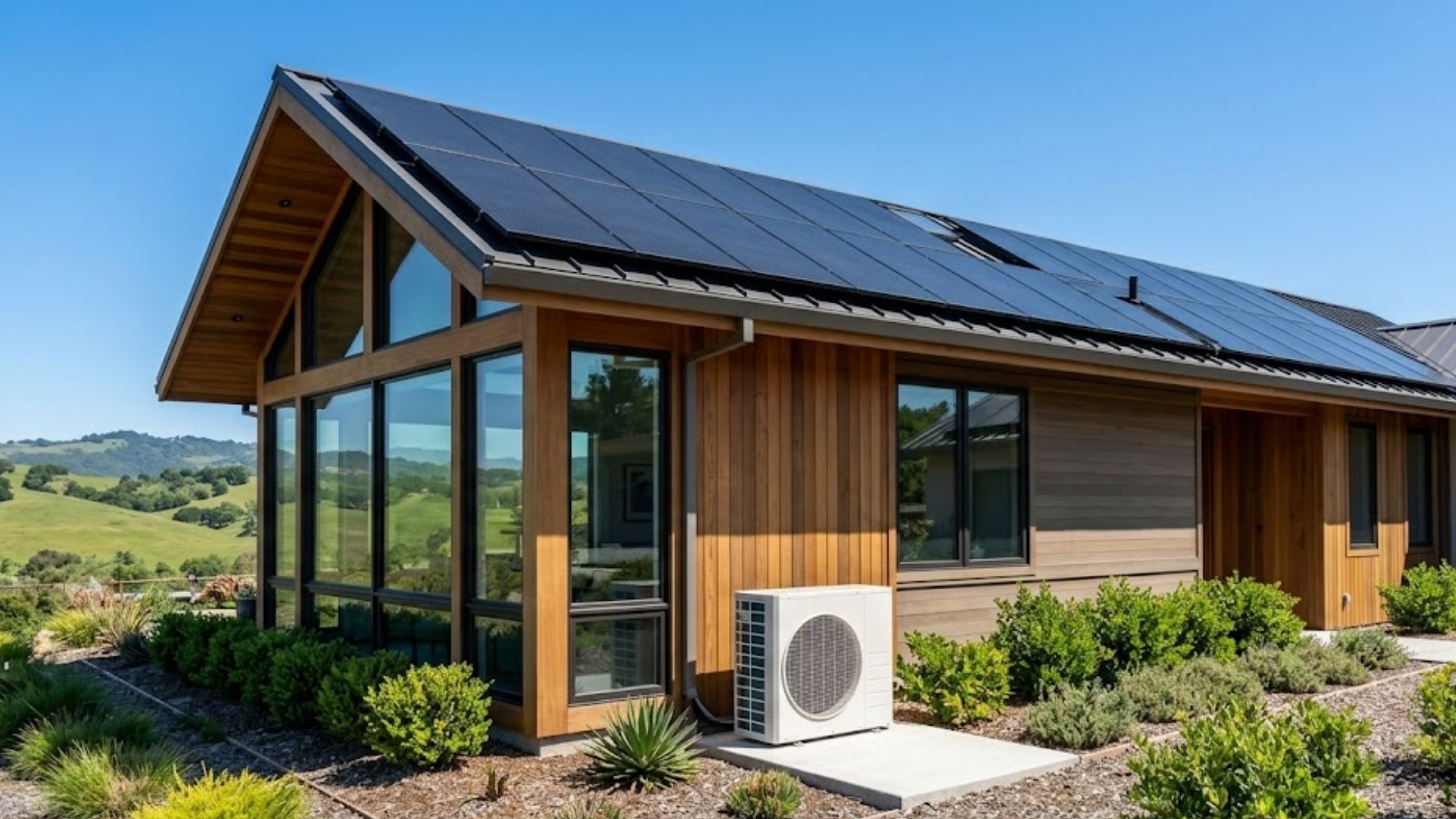
This is where solar becomes non-negotiable. If the state is pushing you to electrify your life, generating your own clean power is the only way to protect your wallet. By sizing a solar panel system to accommodate the new electrical demand of your heat pump, you lock in your energy costs. Instead of paying PG&E peak rates, you generate that power on your roof for a fraction of the price.

Leveraging Battery Storage for Evening Heating
Under current utility billing rules, sending excess solar power back to the grid during the day doesn’t pay out like it used to. Furthermore, you need heating the most during the cold Bay Area evenings and early mornings—when the sun isn’t shining. Adding a battery storage system allows you to bank daytime solar energy to run your heat pump at night, effectively heating your home with trapped sunlight while avoiding peak rates.
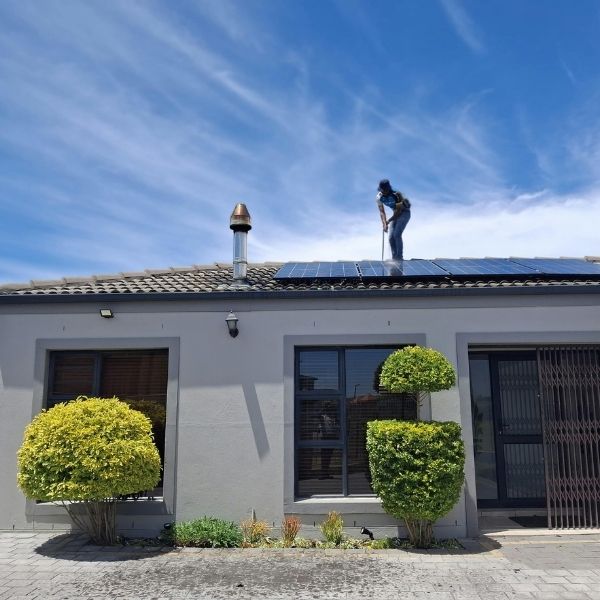
Stacking Incentives for Maximum ROI
The silver lining of the 2026 electrification push is the abundance of financial help. Between the 30% Federal Investment Tax Credit, local BayREN rebates, and state-level incentives for heat pumps and battery storage, upgrading your home has never been more subsidized. Bundling your HVAC upgrade with a solar and storage installation often unlocks synergistic savings, reducing the overall cost of your project.
Don’t Wait for Your First Massive Winter Electric Bill to Realize You Need Solar
If you are upgrading to a heat pump this year, contact West Coast Solar. We’ll design a custom Bay Area energy system to power your electrified home affordably!