

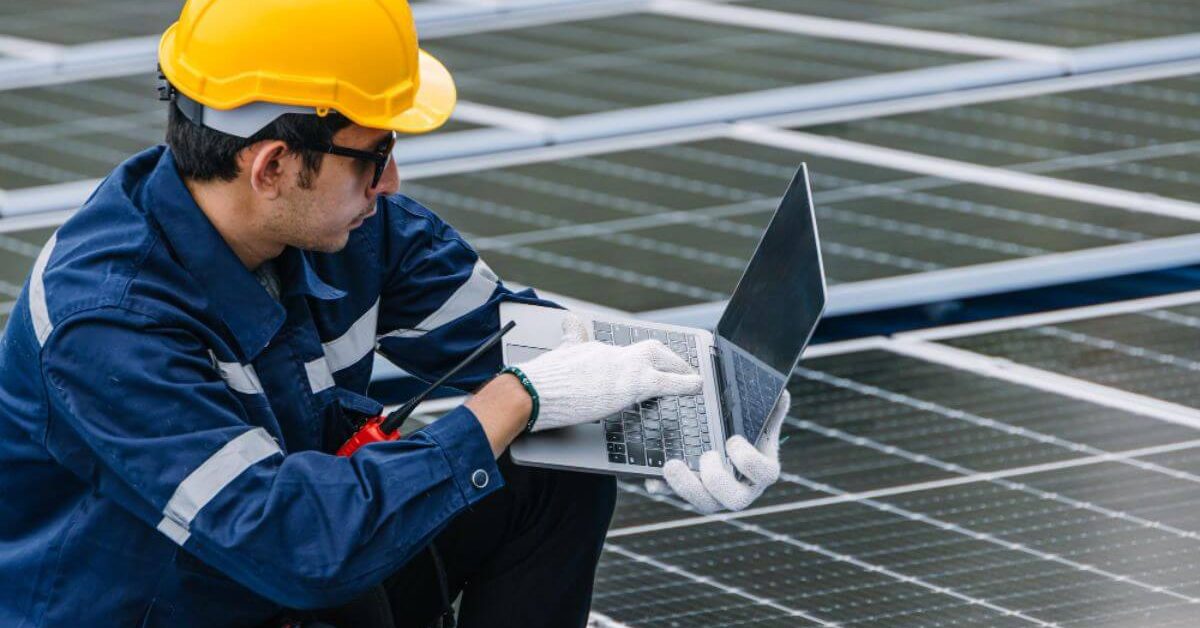
What are the smart upgrades for your solar roof systems in the Philippines?
- Smart inverters
- Battery storage
- High-efficiency panels
- Internet of Things (IoT) integration
- System optimization
Overview
- Smart upgrades can enhance the performance of rooftop solar systems in the Philippines.
- By adding technologies like smart inverters, battery storage, high-efficiency panels, IoT integration, and system optimization, homeowners can improve energy efficiency, lower electricity costs, increase property value, and ensure long-term reliability and scalability for their solar investment.
For homeowners who have already installed solar panels, the journey does not end after installation. Many begin exploring ways to improve performance, increase savings, and adapt their systems to changing energy needs. The concept of a smart upgrade rooftop solar system in the Philippines approach focuses on improving efficiency, monitoring, and energy management without replacing the entire system.
This article explores practical upgrades that can help maximize the value of your rooftop solar investment while improving long-term performance.
At Solaric, we support homeowners beyond installation by evaluating and implementing upgrades for existing solar systems. From reviewing compatibility and system capacity to recommending technologies that match your household’s evolving energy requirements, our team ensures that every upgrade is carefully planned.
Smart Inverters

A smart inverter is an upgraded version of the traditional solar inverter. It monitors and adjusts system performance to improve efficiency.
Unlike conventional inverters, smart inverters can detect shading, temperature changes, and fluctuations in energy demand. They adjust power output accordingly to maintain consistent performance.
Many smart inverters also include mobile apps or online dashboards that allow homeowners to monitor electricity production, consumption, and system health in real time.
Solaric offers systems such as the 3.15 kWp Grid-Tie Solar System, which is suitable for households running several appliances such as refrigerators, air conditioners, fans, and televisions. Systems like this can help offset daytime electricity consumption and support long-term savings.
Battery Storage
Battery storage allows a solar system to store excess electricity generated during the day for use later, such as at night or during power interruptions.
Instead of exporting all excess energy back to the grid, stored energy can be used within the home. This helps reduce reliance on the utility grid and improves energy security.
Modern battery systems often include monitoring applications that allow homeowners to track charge levels and usage patterns. This helps households decide when to use stored energy for better efficiency.
High-Efficiency Panels
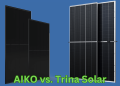
Panels designed for higher efficiency generate more electricity per square meter than conventional options, making them suitable for rooftops with limited space. Their advanced cell technologies improve sunlight absorption, even under partial shading or high temperatures.
Upgrading to this type of panel can increase energy production without expanding the size of the solar system. For homeowners with existing installations, it provides a way to boost output while keeping the setup compact and efficient.
Internet of Things (IoT) Integration
IoT integration connects solar panels, inverters, batteries, and household appliances through digital monitoring systems.
With IoT-enabled solutions, homeowners can monitor energy production and consumption through mobile apps or dashboards. Some smart systems can also schedule appliances to operate during peak solar generation periods.
This connectivity helps improve energy management and provides better visibility into how solar power is used within the home.
System Optimization
It involves fine-tuning your solar setup to ensure every panel, inverter, and component operates at peak performance. This may include adding optimizers or advanced monitoring tools that balance energy output across panels, compensate for shading, and adjust to fluctuating sunlight conditions.
Scaling for system optimization can increase overall energy yield, reduce losses, and extend the lifespan of your equipment. It also ensures that every kilowatt-hour generated is used effectively, resulting in a more consistent power supply and long-term reliability.
Benefits of Upgrading to Solar Roofs

Upgrading an existing rooftop solar system can improve efficiency, energy management, and long-term savings.
Lower Electricity Bills
Upgraded systems with improved monitoring, battery storage, and high-efficiency panels can help households capture more solar energy and reduce reliance on grid electricity.
In some cases, solar production may significantly offset monthly electricity consumption. Programs such as net metering can also provide credits for excess electricity exported to the grid.
Maximized Property Value
Homes with upgraded solar systems may attract buyers interested in energy efficiency and reduced utility costs. Sustainable features can make a property more appealing in the real estate market.
Scalability
Solar systems can often be expanded as household energy needs grow. Whether adding appliances, installing electric vehicle chargers, or expanding living space, a scalable system allows capacity to increase without replacing the entire setup.
Long-Term Support and Reliability
Upgrades and proper maintenance help ensure consistent system performance. Technical support, warranty coverage, and periodic system evaluations contribute to reliable operation over time.
Key Takeaway
A smart upgrade for your rooftop solar system in the Philippines may include smart inverters, battery storage, advanced monitoring tools, and high-efficiency panels to help homeowners maximize energy production and long-term value.
Working with experienced solar providers helps ensure that upgrades are compatible with existing systems and aligned with long-term energy goals. Reach out to us today to learn more!