

While the roofing and solar industries share common economic drivers and “solar-ready” design potential, true market acceleration requires transitioning from separate installations to a single, integrated rooftop system.
The relationship between roofing and rooftop solar photovoltaic (PV) is obvious at first glance: rooftop solar requires a roof for installation. My colleagues and I are often asked about how the roofing industry shapes the solar market. From working across both industries, I’ve developed mixed opinions about how much roofing is actually influencing solar growth today.
There are clear linkages—the roof is a platform for solar, and both industries are shaped by similar economic conditions. Yes, roofing has had a real impact on solar adoption through the evolution of solar-ready design concepts and development of building-integrated solar products, aka solar shingles. However, the roofing industry is still not doing enough, fast enough, with product and project design innovation, to influence the solar space in a way that truly accelerates rooftop deployment. We’re only scratching the surface of the opportunity—especially as cost, speed, durability and service life continue to take center stage.
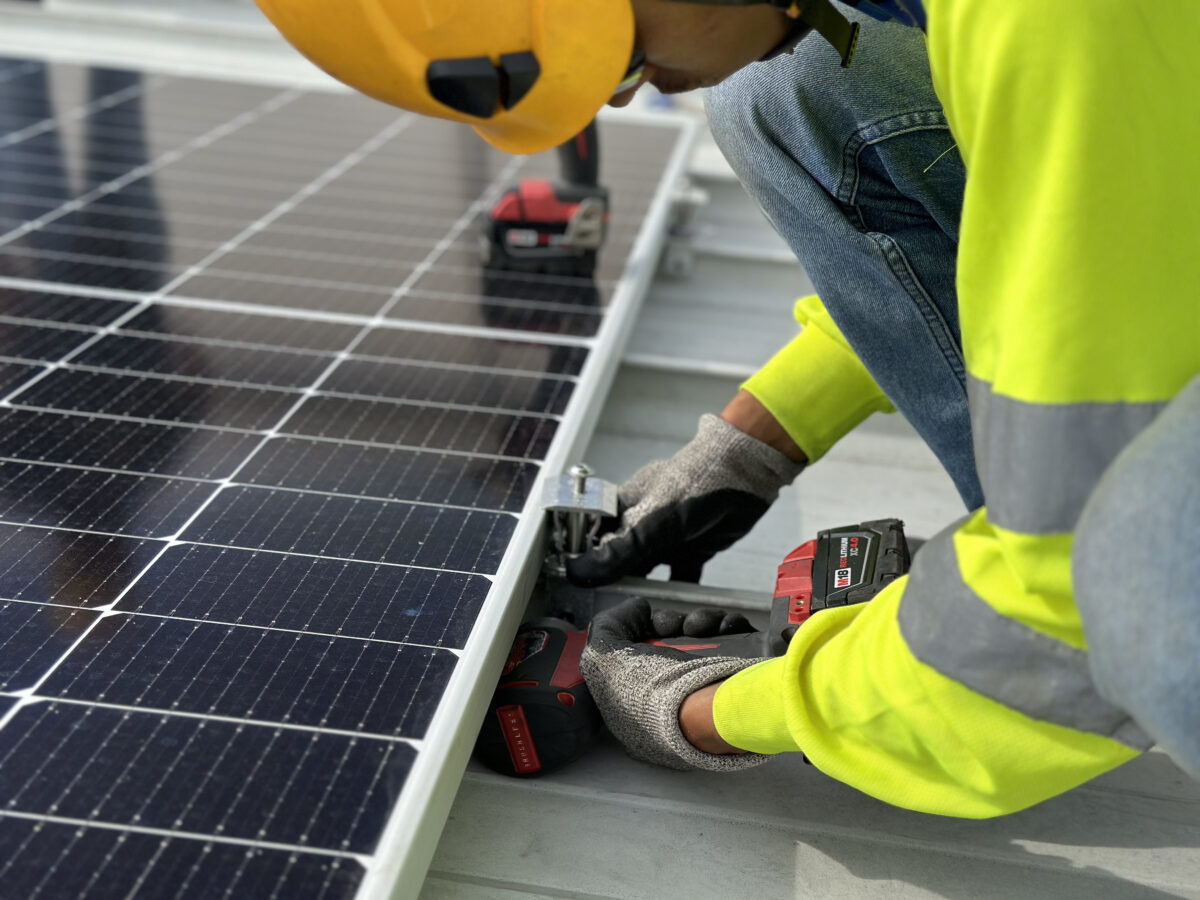
Roofing and solar should be considered together as one integral system—a single asset, to unlock all possible synergies and drive innovation, but that is not the reality today. Too often, the roof is treated as one project and the solar as another. It is still common for roofing contractors to complete a new roof or re-roofing project, only to have solar installers arrive afterward to mount the PV system. When those two systems are designed and installed in isolation, not only are valuable efficiencies lost, but a critical impetus for cross-industry innovation is also stifled.
The U.S. solar market closely aligns with the roofing industry, with both shaped by similar market conditions and trends. Like other segments of the construction industry, both respond to inflation and interest rates, supply-chain volatility, shipping costs, labor availability and material pricing. In the post-COVID economy, for example, high shipping costs had a detrimental effect on both industries—delaying roof deliveries and PV component procurement, even as demand remained strong.
Given that both industries respond to the same economic forces, it can be tempting to assume cause-and-effect between the health of roofing and the health of rooftop solar, or lack thereof. However, parallel movement doesn’t always mean one is driving the other. Both may simply be reacting to the same forces. Of course, there are cross-marketing efforts that pair roofing and solar. Homeowners interested in solar often discover they need a new roof first. In contrast, a new or replacement roof is always the perfect moment to integrate solar. That pairing makes even more sense when the roof lasts as long as the solar system—one reason why durable, long-life roof systems like metal align naturally with rooftop PV from a lifecycle standpoint.
Still, I don’t see this as a true cause-and-effect relationship. It’s complementary, but one does not automatically drive the other.
Considering the interrelated nature of solar PV and roofs, there are many opportunities for roofing to influence the present and future of rooftop solar. “Solar Ready” is a fairly new concept that drives impact by applying practical methodologies and best practices.
Solar readiness is essentially a series of factors addressed during the design stage of a building and roof to maximize a solar installation’s performance and minimize retrofit work if solar is installed after the roof is complete. South-facing roof planes, roof pitches that optimize production, unobstructed footprints (solar zones), durable roof materials, and intentional space for conduit, inverters and power electronics are all solar-ready factors. Considered early on, both the roof and the future PV system benefit from designed-in efficiencies. Solar readiness isn’t rocket science; it simply formalizes the common-sense factors that influence project cost and return on investment.
Some states and cities have moved toward solar-ready mandates, though most have not crossed the finish line yet. California is a notable exception, with requirements to install solar on many new buildings since 2020, along with solar-ready provisions after the building and roof are complete. Policies like this push the market toward integrated planning rather than retrofit improvisation, resulting in lower system cost and maximum solar performance.
Metal roofing is already a strong example of that potential: its long service life aligns with the life of a solar installation, and many standing seam metal roofs allow for engineered, non-penetrating attachment that preserves roof watertightness and thermal movement. When the platform is designed to accept PV responsibly – without unnecessary penetrations and with compatible materials – the whole assembly performs better and lasts longer.
Building-integrated solar has also been slowly gaining traction in the U.S., led by Tesla, GAF, CertainTeed and others. Currently, solar shingles do not match the power density (kW per square foot) or cost per watt of crystalline PV panels. Looking ahead, continued innovation will close that gap, and solar shingles will thrive, particularly for residential roofs where asphalt shingles dominate. This is another important step in the right direction showing innovation in the roofing sector and how it can shape the solar outlook.
The long-term success and continued growth of rooftop solar will rely on innovation from both the solar and roofing industries. Solar-ready best practices and solar shingles are solid steps forward, but the roofing industry has a real opportunity to push further and drive even greater change. When the roof and solar are treated as one integrated system – and even built in tandem – there are more opportunities, and a greater likelihood, for roofing manufacturers to innovate roofing systems and accessory-friendly details that reduce the total “roof plus solar” costs.
Beyond the potential for innovation from roofing industry companies, the solar industry could also benefit from bringing more roofing contractor skillsets and experience into the solar contractor space. Whether through contracting firms expanding into solar installations or individuals seeking new opportunities, it’s always a benefit to have roofing expertise within the ranks of solar installers.
For those interested, NABCEP certification programs are a good place to start (www.nabcep.org). If roofing and solar are going to achieve their shared potential, it won’t come from treating them as separate jobs stacked in sequence. It will come from designing, specifying and installing them as one coordinated rooftop system—built on durable platforms that let PV deliver its full-service life.

Mark Gies, Director of Strategy at solar mounting leader S-5!, leverages 16 years of diverse industry experience and holds leadership roles within SEIA, SEAOC, and UL technical committees.
The views and opinions expressed in this article are the author’s own, and do not necessarily reflect those held by pv magazine.
This content is protected by copyright and may not be reused. If you want to cooperate with us and would like to reuse some of our content, please contact: editors@pv-magazine.com.
Popular content