

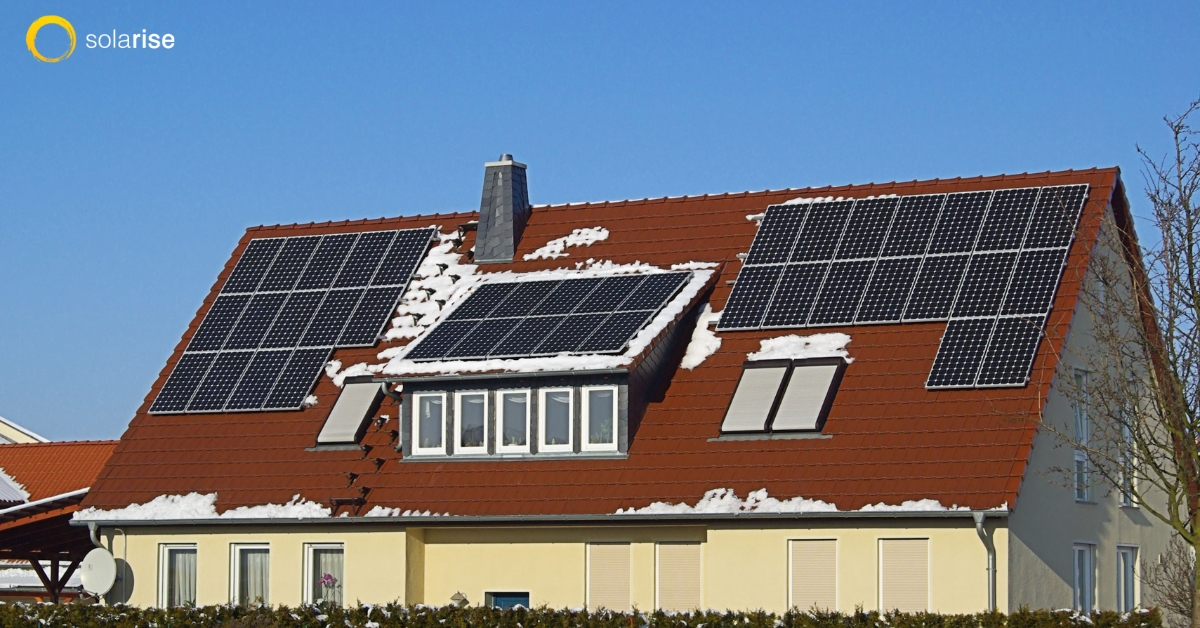
Why Winter Makes Homeowners Question Their Solar Investment
Winter in Colorado hits hard. The days feel shorter, the snow stacks up, and your electric bill tends to climb. So it makes perfect sense that many homeowners wonder if solar panels can keep up once the cold months arrive. If you live in Colorado Springs, Fountain, Monument, or Pueblo and you’re unsure how solar performs when temperatures drop, you’re asking the right question. This guide breaks it all down in plain language so you can feel confident about what your system will deliver year-round. For more seasonal insights, many readers also explore how solar panels work during the winter.
What We’ll Cover
Do Solar Panels Work in the Winter
Let’s answer the biggest question right away. Yes, solar panels work in the winter. In fact, they often perform better in cold temperatures because photovoltaic cells operate more efficiently when they’re not overheating. Winter production is lower mostly because the days are shorter, not because the technology struggles.
Colorado is a unique advantage here. Even in January, we get bright, clear sunlight thanks to our altitude and dry climate. Pair that with modern black on black panels that warm up quickly under sun exposure and you’re looking at a system that stays productive even when everything else is frozen.
This is where homeowners usually pause. Better efficiency in the cold sounds great, but what about the snow sitting on top of the panels? We’ll get into that next.
How Cold Weather Affects Solar Efficiency
Cold air is actually your friend when it comes to solar. The chemical reactions inside the solar cells work more efficiently when temperatures are low. That higher efficiency can offset some of the loss you see from shorter winter days.
Here’s the thing. People often assume that solar panels need heat. They don’t. They need light. Even on frigid days, sunlight hits the panel surface, triggers electrical production, and you start generating power. If anything, intense heat in the summer can cause minor efficiency drops, something winter never has to contend with.
If you’re curious about how far modern efficiency has improved over time, you may like reading about how solar panels have improved since their invention.
What this really means is that your panels are designed to handle extreme cold as part of normal operation. They are tested, rated, and built to tolerate dramatic temperature swings. Winter won’t hurt them. It simply changes how much sunlight they get in a twenty four hour cycle.
How Snow Affects Solar Panel Performance
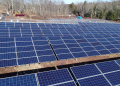
Snow is the piece everyone worries about, so let’s break it down clearly. Heavy snow can temporarily limit production, but the effect is rarely as dramatic as people expect. In Colorado, panels are mounted at angles that encourage snow to slide off naturally. Black panel surfaces absorb heat quickly once the sun is up, melting thin layers of snow in a matter of hours.

What slows production down is not the cold but the thickness of the snow layer. Light dustings still let enough light through for panels to generate power. Thick, wet snow can block output until it slides off. The good news is that this usually happens sooner than you’d think.
Here are a few real world factors that help:
-
- Black aluminum frames and panel surfaces retain heat
- Rooftop panel tilt encourages shedding
- Colorado sunlight is strong even in January
- Systems are designed with snow load ratings for safety
Some homeowners consider brushing snow off. Most installers, including us at Solarise Solar, do not recommend climbing on a snowy roof. The risk is not worth the small gain. Nature usually clears the panels quickly on its own. If you’re preparing for winter, you may also check out guidelines for winterizing your solar panel system.
Winter Production vs Summer Production
Winter production will always be lower than summer. That is normal across every climate and every solar system. What matters is how your system performs across the entire year. When we design a system for Colorado homes, we calculate annual output, not monthly highs and lows.
Your winter dips are balanced by long, bright summer days where production soars. Net metering helps too. Excess energy you push back to the grid in the summer offsets what you pull from the utility when winter is at its darkest.
A Colorado homeowner usually asks if winter will reduce their overall ROI. The answer is no. The system’s annual performance is what determines financial return, and winter is already factored into those numbers. If you’re curious how to evaluate your bill changes, check out how to read your electricity bill.
Winter Myths and Maintenance Truths
There are plenty of myths floating around about winter solar performance. Let’s clear up the common ones so you can focus on what actually matters.

Myth: Solar panels stop working when it snows.
Truth: They stop only when fully covered. They resume the moment light reaches the cells.
Myth: Cold temperatures are bad for solar.
Truth: Cold improves efficiency and protects panels from heat based performance drops.
Myth: You need to clean your panels after every snowfall.
Truth: You usually don’t need to do anything. Panels shed snow naturally.
Myth: Winter shortens the lifespan of panels.
Truth: Modern panels are made to handle brutal climates, including Colorado winters.
If you want to keep your system at peak performance, these are the only winter tasks worth knowing:
-
- Keep trees trimmed so winter sun angles reach the roof
- Check your monitoring app once in a while
- Let snow melt or slide naturally
- Call if you ever see physical damage or unusual readings
For regular upkeep, many homeowners explore how to clean and maintain solar panels.
Why Winter Is Still a Smart Time to Go Solar
This surprises people, but winter is often one of the best seasons to start the solar process in Colorado. Spring and summer tend to be the busiest months for installs. Winter offers shorter lead times and faster scheduling.
Beyond installation speed, winter can be a great time financially too. Many homeowners choose to install before incentive deadlines or net metering policy changes. By starting early, your system is placed and ready to take full advantage of high production seasons the moment the weather warms up.
Another benefit is that your design will be calculated with real winter shading patterns. That gives you a more accurate model and helps us fine tune the system for year round performance. Many people considering solar also look into whether they need to replace their roof before installing solar panels.
EEAT Building Elements
At Solarise Solar, we’ve helped thousands of Colorado homeowners understand exactly what to expect during the winter months. Our team has installed systems across Colorado Springs, Monument, Fountain, and Pueblo for almost a decade. We’ve seen how panels behave in heavy snow years, light snow years, record cold spells, and mild seasons. We lean on real data from real homes when we design your system.
For homeowners who want a deeper dive into seasonal solar science, the National Renewable Energy Laboratory and the Solar Energy Industries Association provide helpful studies on cold climate solar efficiency. For practical year round planning, many also explore everything you need to know about net metering.
Ready to Explore Solar for Your Home
If you like the idea of stable long term savings but want a system built specifically for Colorado winters, this is a good time to get clarity. A quick consultation can show you exactly how a system will perform on your home and what your annual savings could look like.
No pressure and no hard sell. Just a clear plan based on your roof, your utility rates, and your goals. You can also browse our blog for more homeowner focused solar guidance.
Frequently Asked Questions About Solar in the Winter
Do cold temperatures reduce solar efficiency
Cold temperatures actually increase solar panel efficiency. Solar cells perform best in cooler environments because heat increases electrical resistance within the cells. This improved efficiency helps offset the shorter daylight hours in winter. The key factor limiting winter production is the reduced duration of sunlight, not the cold. In Colorado, the combination of low humidity, bright winter sun, and cool temperatures creates ideal operating conditions for the panels themselves.
Do I need to remove snow from my panels
In most cases you don’t need to remove snow at all. Panels are smooth and mounted at an angle, so snow tends to slide off naturally once the sun warms them. Attempting to clear snow manually can be risky, especially on icy roofs. Using tools can also damage the panel surface or void warranties. The safest approach is to let sunlight do the work. If an unusually heavy snowfall occurs and a homeowner feels the need to intervene, using a long soft roof rake from the ground may help, but even that is rarely necessary. Your overall yearly savings will not change enough to justify climbing onto a snowy roof.
How much does winter affect annual production
Winter causes a predictable seasonal dip in production due to shorter days and occasional snow coverage. Most systems in Colorado produce between 20 to 40 percent of their summer output during the deepest part of winter. This range varies based on roof angle, shading, temperature, and snowfall. However, this seasonal drop is already included in your annual production estimates. When summer arrives, long sun exposure and high peak production periods more than balance out what is lost in winter. Net metering also helps homeowners bank credits in high production months to offset usage in lower production months. In short, winter lowers monthly numbers but does not hurt the system’s annual return on investment.
Are solar panels designed for Colorado winters
Yes, modern solar panels are engineered specifically to withstand extreme weather conditions, including the cold, snow, and high winds common in Colorado. Panels are rated for snow loads that exceed what most homes ever experience. The frames, glass, and mounting hardware are tested to handle freezing temperatures, rapid temperature swings, and heavy accumulation. At Solarise Solar, we install panels that meet or exceed industry standards for cold climate durability, including high snow load certifications and temperature coefficient ratings optimized for winter performance. Colorado’s altitude and bright light actually enhance performance when conditions are cold and clear.
Should I wait until spring to install solar
Not necessarily. Winter can be one of the most efficient times to begin the solar installation process. Scheduling often opens up during the colder months, so you may move through design, permitting, and installation faster. By completing the project before spring, your system is in place and ready to take advantage of the entire high production season. Many homeowners also choose winter installation to secure current incentive levels or avoid potential utility rate and policy changes. If you plan to go solar, starting in the winter positions you for maximum benefit once production climbs in March and April. To understand timing better, you may also explore why solar panels are a great choice in Colorado.
Get Reliable Solar Performance All Year Long
Winter doesn’t hold solar back the way most people think. Cold weather actually supports efficiency and snow impacts are usually temporary. When your system is designed properly, your annual production remains strong and predictable. That’s why so many Colorado homeowners feel confident switching to solar even in the middle of snow season.
If you want to see how solar could perform on your home and what your year round numbers look like, we’re here to make that process simple. Explore more of our educational resources or reach out for a quick consultation when you’re ready.