

Overview
- Industrial solar installation strategies transform solar power into dependable infrastructure for long-term operations.
- Through structured planning, site assessment, custom system design, quality installation, and smart monitoring, businesses achieve stable energy, lower costs, and stronger returns.
- With proper execution, industrial solar supports scalability, resilience, and sustainable growth across diverse operational environments.
Industrial facilities require power systems that are both reliable and resilient to support long-term sustainability goals. As energy costs rise, solar energy has become a practical solution for stable, clean power.
This article outlines key industrial solar installation strategies that help businesses plan efficient, durable systems and position solar as dependable infrastructure rather than a simple energy alternative.
Key Strategic Phases for Smart Industrial Solar Installation

Smart industrial panel installation follows a structured process designed to reduce risk and maximize output for long-term returns. Each phase explains how solar can be turned into a dependable energy system that supports operations for decades.
Site Assessment and Planning
Efficient installations begin with a thorough site assessment to ensure the system is designed around real energy demand, especially for residential and investment builds. Teams start with an energy audit to review current electricity use, peak load periods, and projected growth to ensure the system can support future expansion. By defining consumption patterns early, planners size systems accurately and avoid inefficiencies.
Planning also determines whether the site can physically support a system over decades of use. Engineers assess the roof’s strength, available ground space, and shading from nearby structures. They also ensure compliance with local regulatory requirements to determine its feasibility.
At this stage, grid connection options are evaluated to determine whether net metering, hybrid, or off-grid solutions best match ownership goals and location constraints.
System Design and Engineering
Effective system design prioritizes customization so the solar setup directly supports the long-term objectives of the property or investment. Engineers shape the system around specific goals, such as reducing electricity costs or generating additional revenue, over the asset’s lifespan. This approach ensures the system successfully adapts to the build or investment’s actual power demand and expansion plans.
Engineering teams then select components that deliver long-term performance for ownership. They choose panels, inverters that convert DC to AC power, and mounting systems based on efficiency and site conditions. Designers optimize orientation and tilt to ensure consistent year-round output that supports predictable returns.
Procurement and Installation
Procurement and installation define which system components are used and how they are physically integrated into the site. Investors and homebuilders source high-quality panels and mounting systems designed to withstand harsh weather and continuous industrial loads. With durable equipment, they reduce downtime and lower long-term maintenance costs.
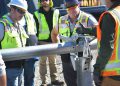
Installation follows a structured, safety-first process. Crews erect proper scaffolding and implement secure wiring methods to protect both workers and equipment. They install mounts first, followed by panels, inverters, and final grid or consumer-unit connections to ensure seamless system integration.
Commissioning and Operation
After proper site assessment and installation, technicians conduct rigorous testing to verify the systems’ output accuracy, stability, and electrical safety. This process is called commissioning, where the solar panels undergo validation and activation before they enter full operational use. This ensures the installation meets performance benchmarks and regulatory standards for years to come.
Once operational, smart monitoring systems are implemented to track energy production in real time. These tools flag performance issues early and allow teams to act before losses escalate. Regular cleaning and scheduled maintenance also preserve efficiency and help the system deliver reliable power throughout its lifespan.
ROI Maximization
Return-on-Investment (ROI) maximization focuses on taking advantage of the systems’ size and grid integration to improve long-term financial performance. Government subsidies, tax credits, and energy programs all reduce upfront investment and shorten payback periods, which all help make large-scale industrial installations more financially viable.
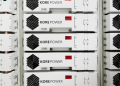
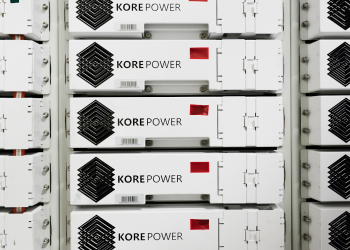
Additional strategies further improve returns. For example, battery storage enables facilities to store excess power for peak usage, while power purchase agreements allow surplus energy to generate revenue. Selecting the right location (e.g., flexible ground-mounted systems) and correctly sizing all further accelerate payback over time.
Get Cost-Effective Industrial Solar Panels From Solaric

Industrial solar implementations work best when handled by providers who understand both engineering and operational limitations, and that’s where Solaric shines best. Backed by years of experience, we deliver end-to-end solar solutions that ensure reliable performance under unique industrial demands.
With the needs of investors and rural home builders in mind, Solaric delivers systems designed for long-term value and operational certainty. Each installation supports predictable energy costs and performs reliably in areas with unstable grid access, allowing for future expansion as developments grow. We help solar panels function as durable infrastructure to strengthen your project’s overall feasibility and long-term value.
Key Takeaway
Industrial solar installation strategies allow individuals to approach solar power as a sustainable, long-term asset that delivers stability. When planned carefully, these systems not only support continuous growth but also protect properties from rising energy costs in the future.
Considering going industrial solar? Solaric has you covered. We help evaluate, design, and implement a system that best suits your project’s performance requirements. Contact us today to start planning a smarter power source for your builds.